Mary Murakami

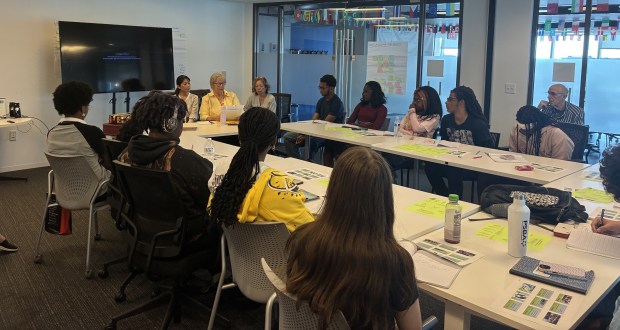
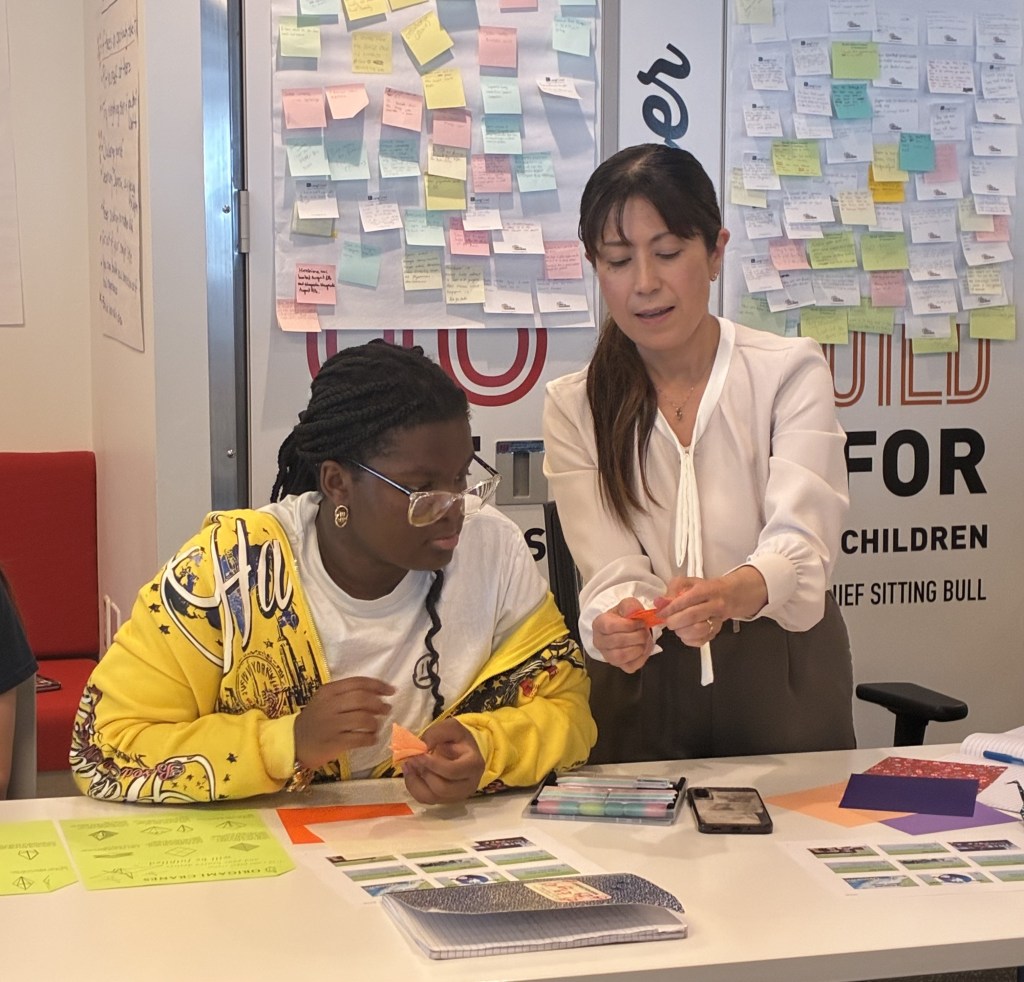
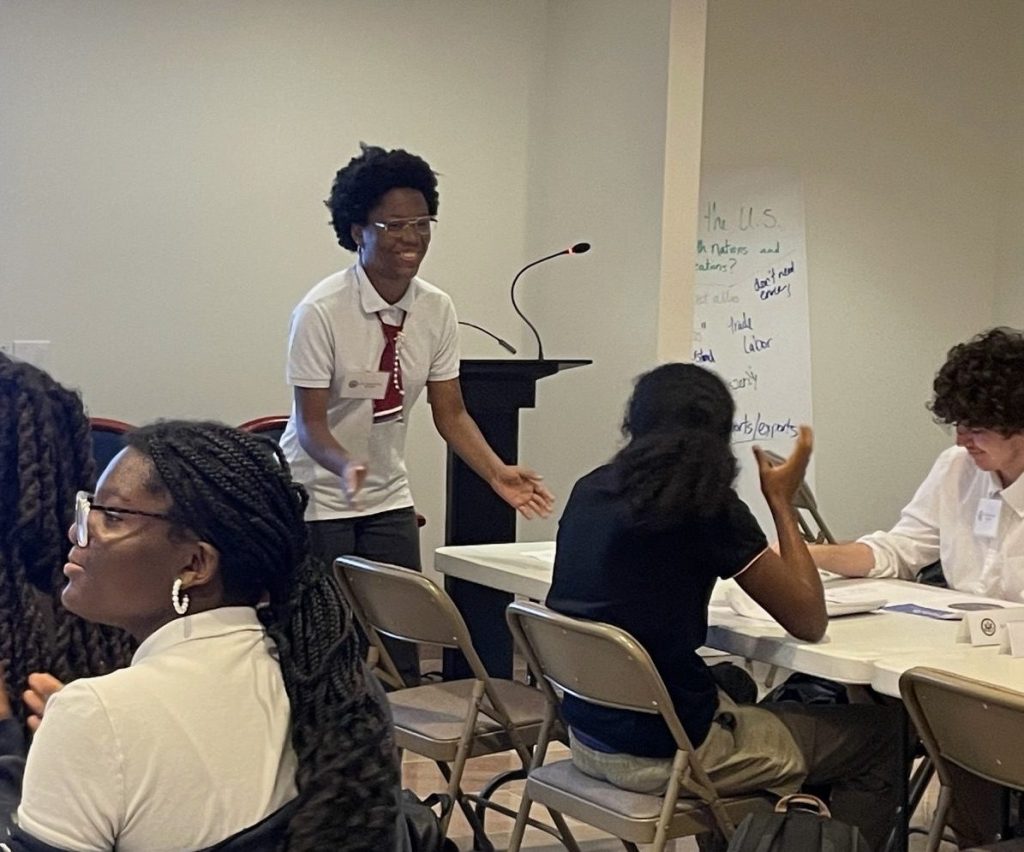
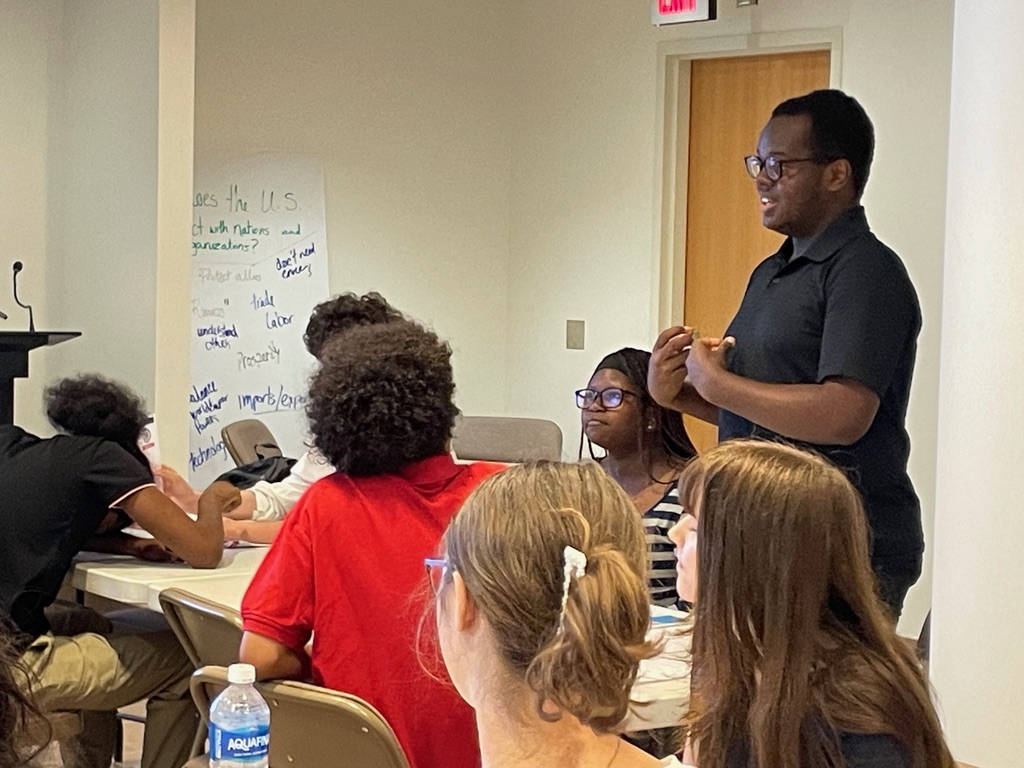
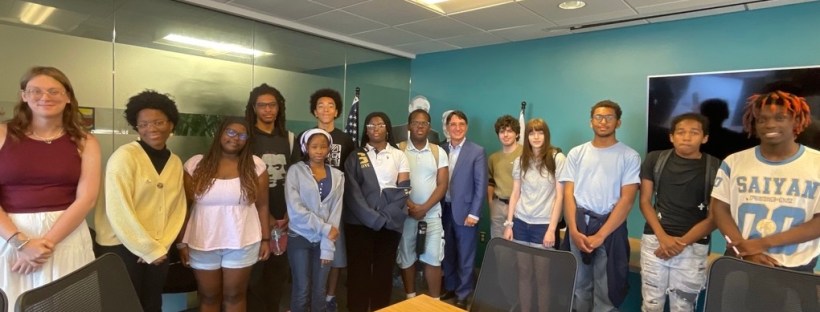
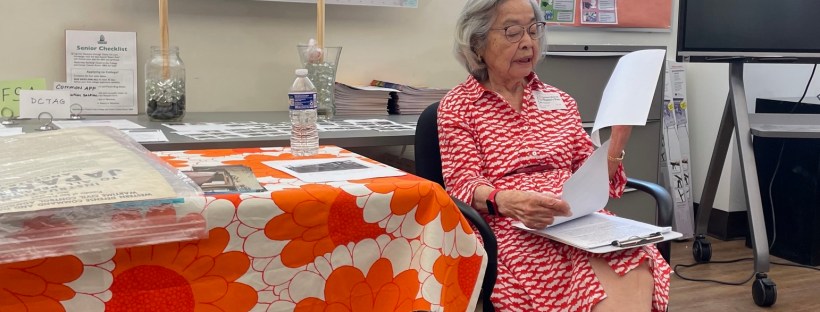
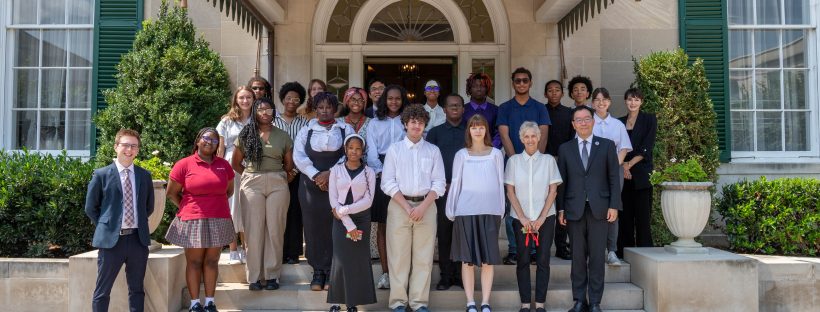
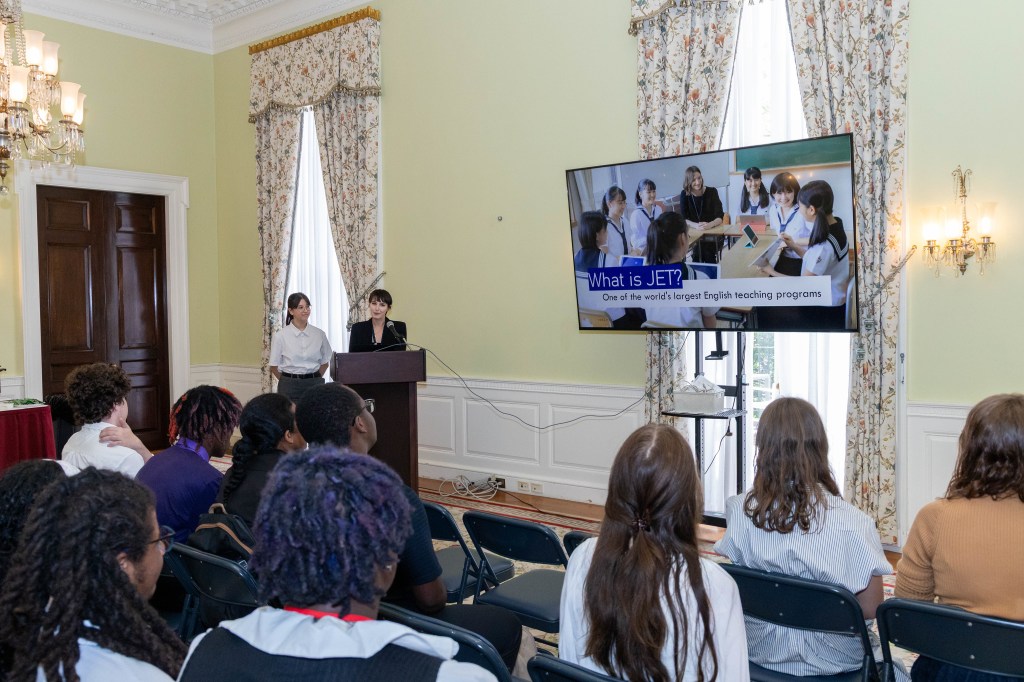
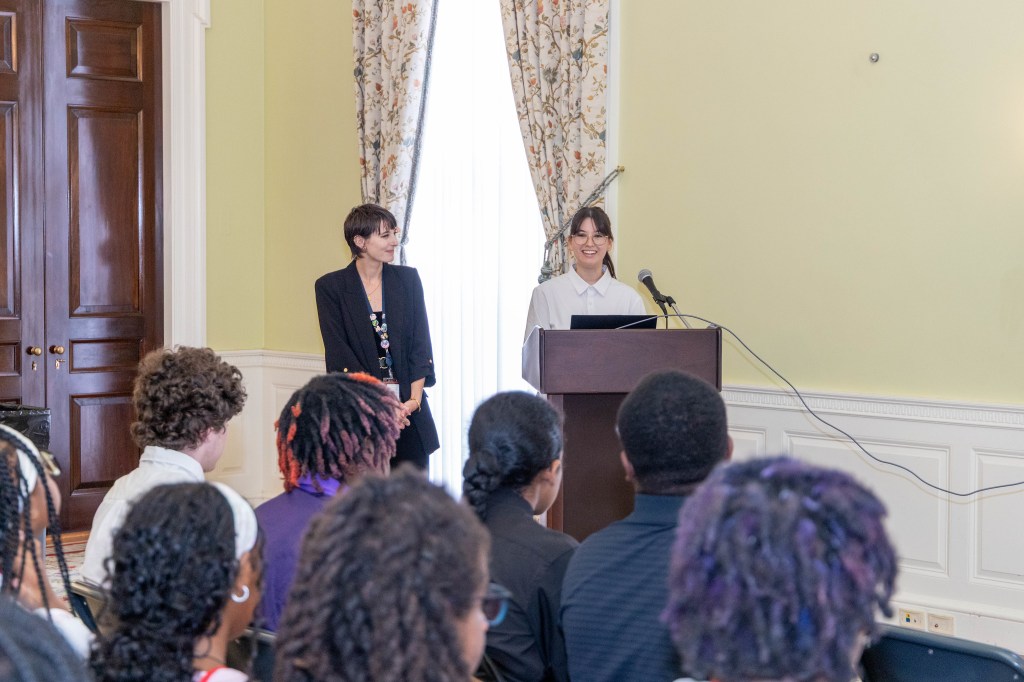
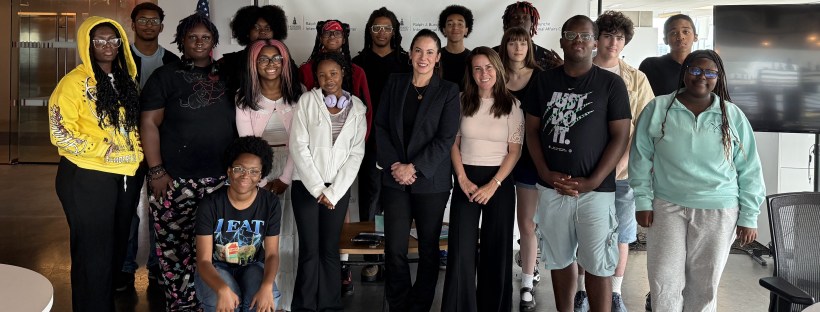
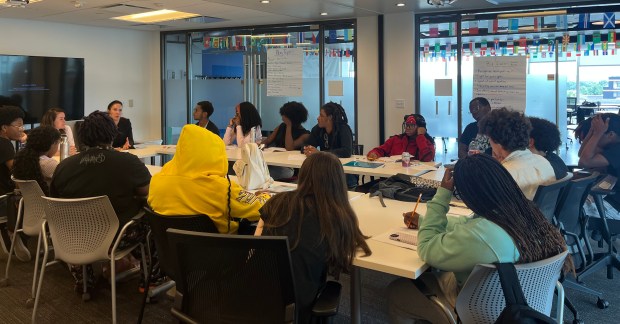
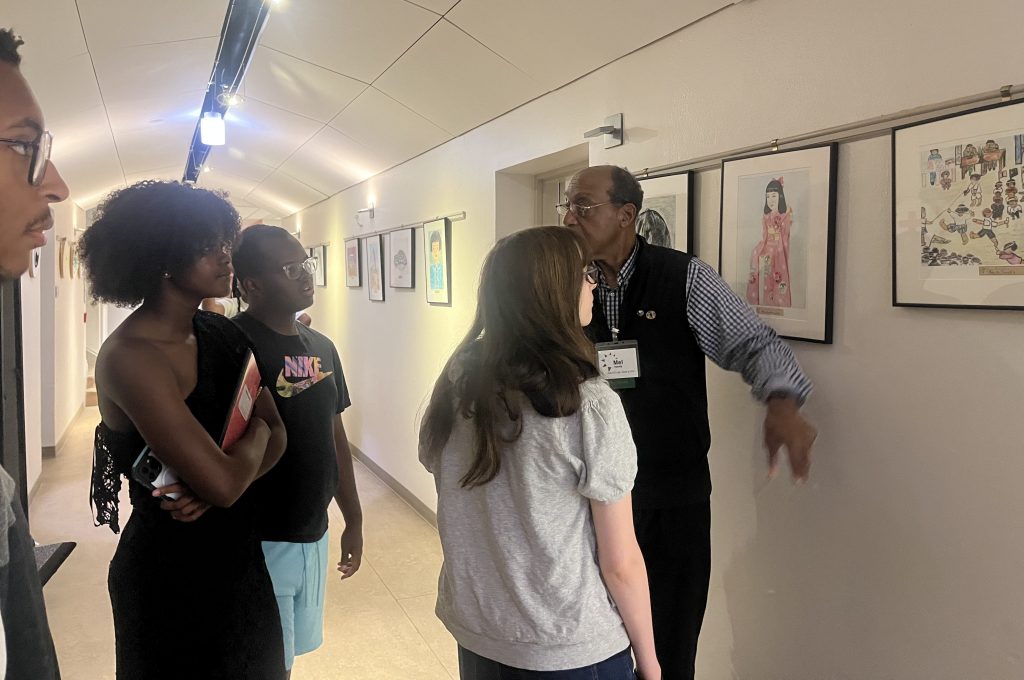
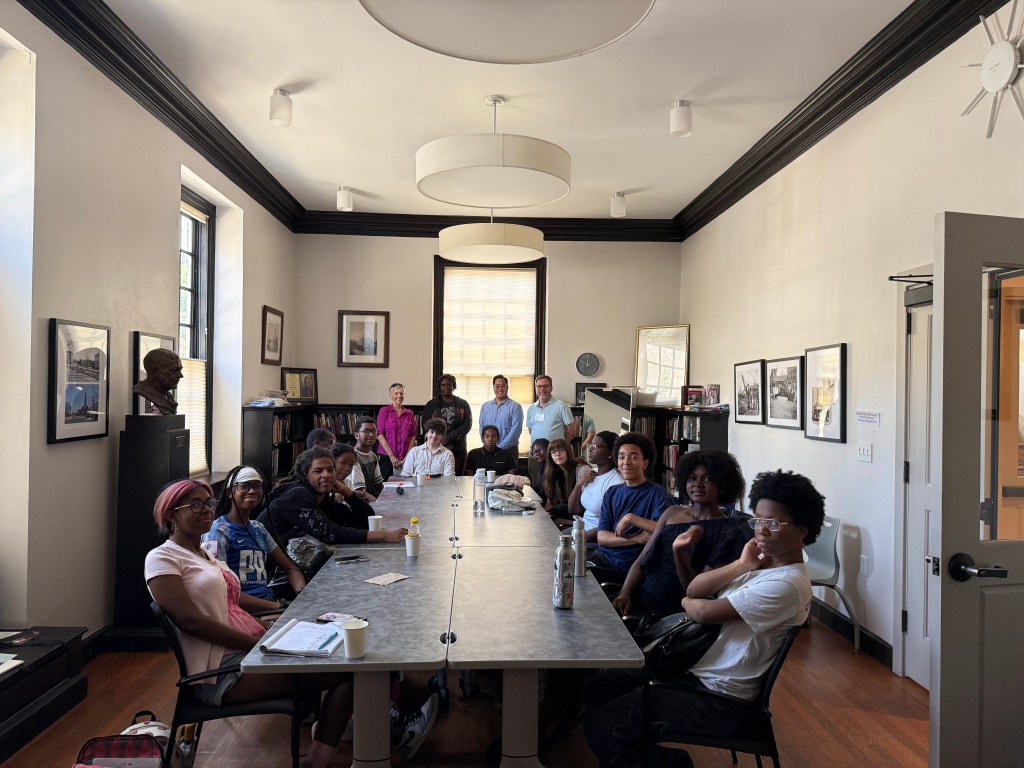
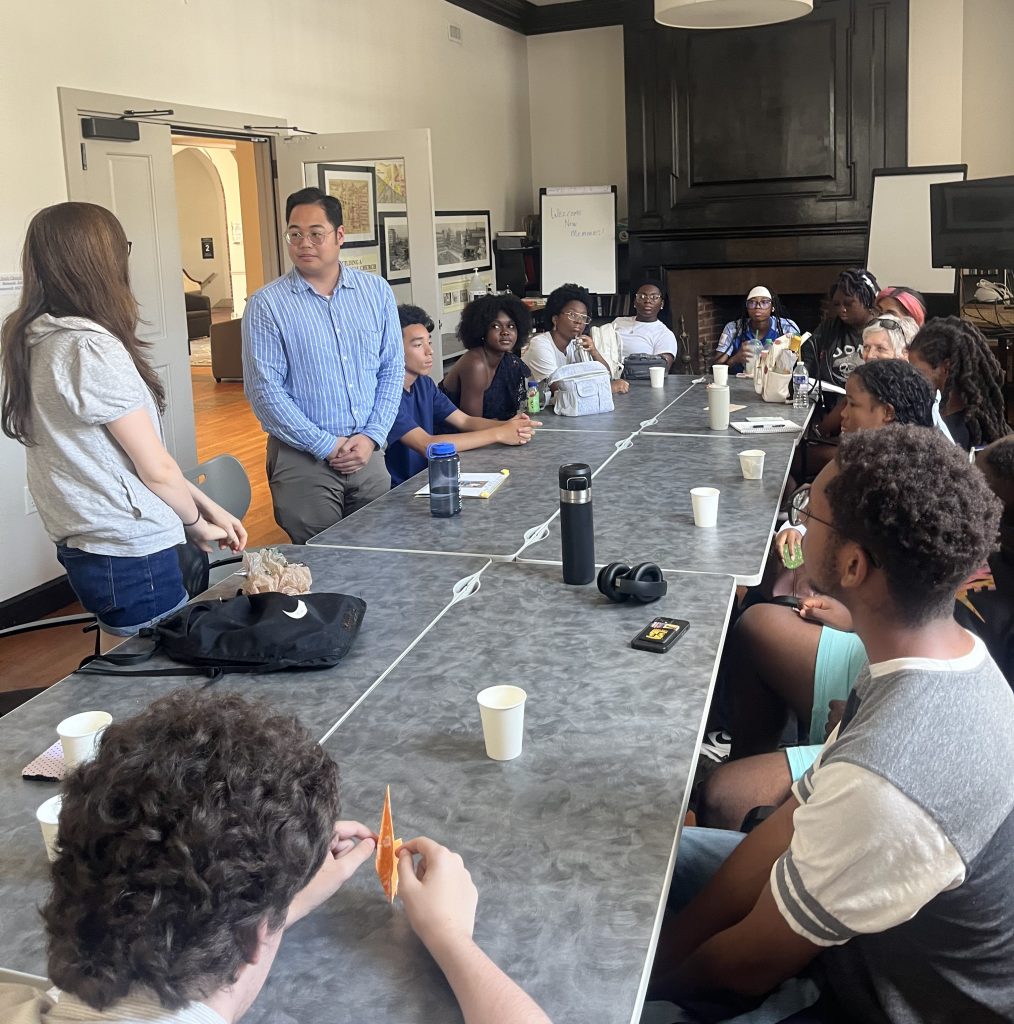
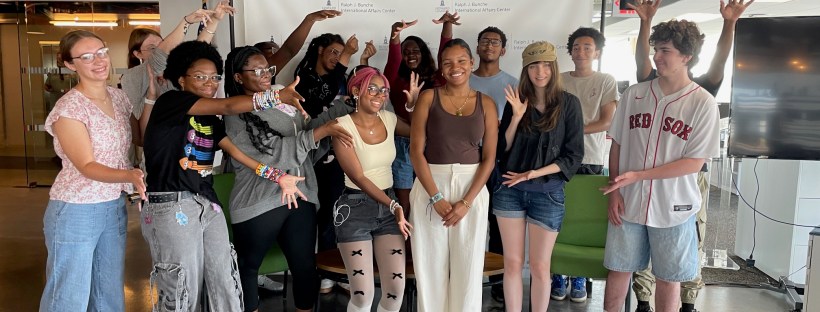
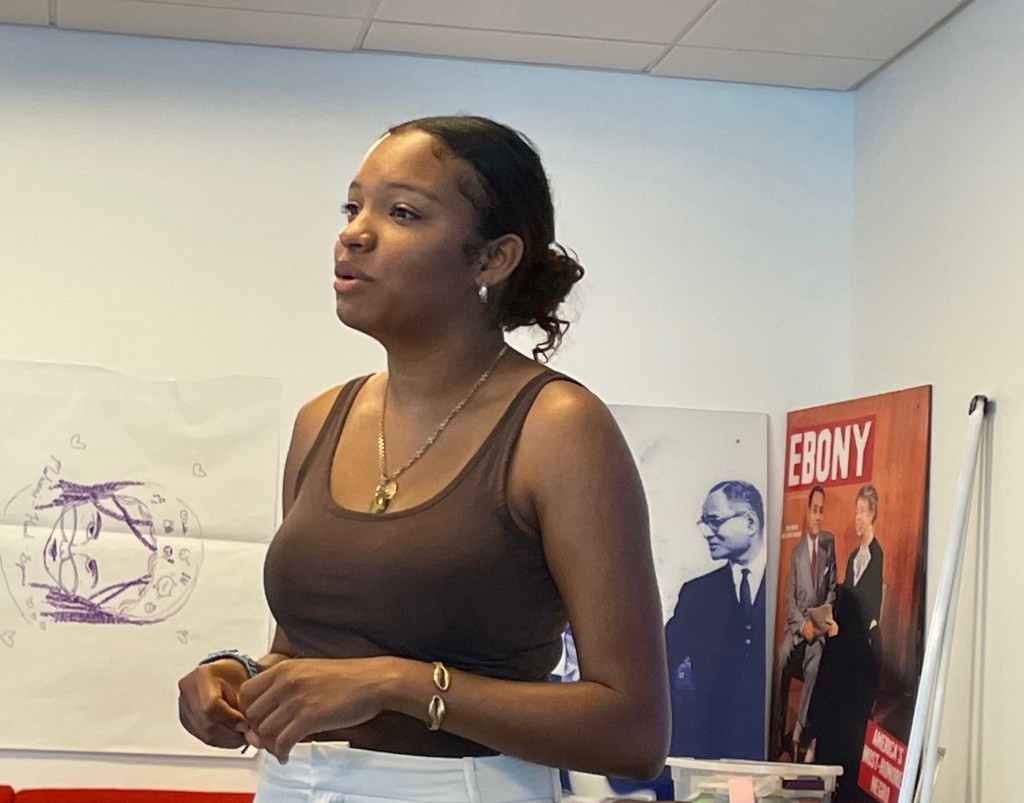
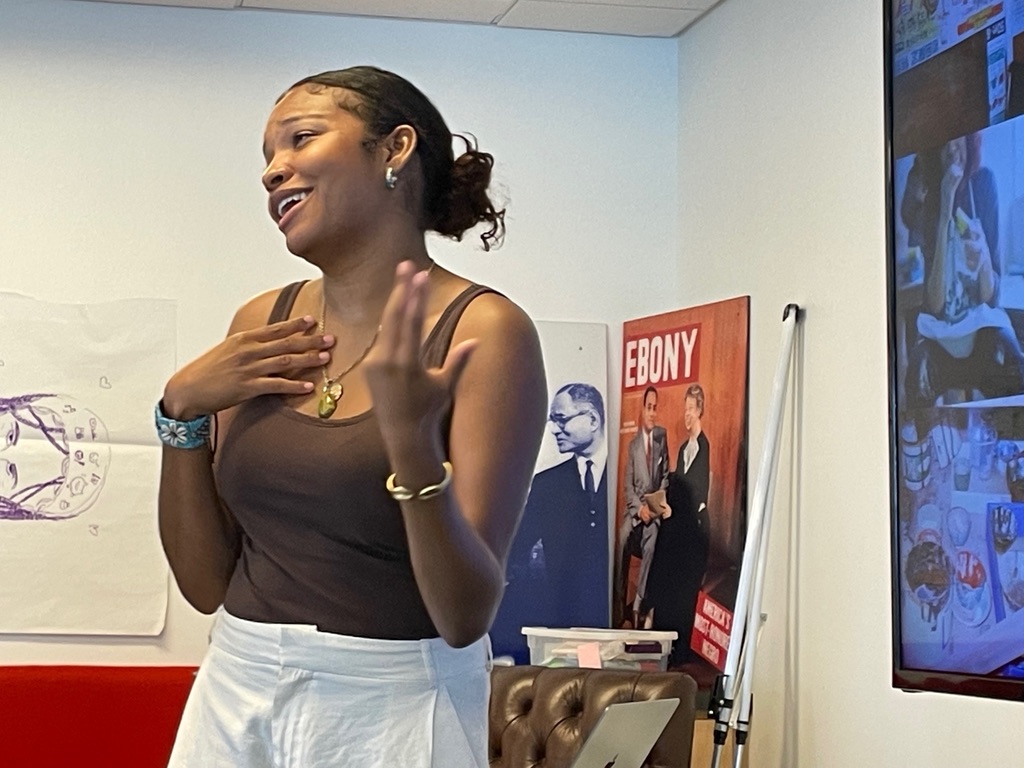
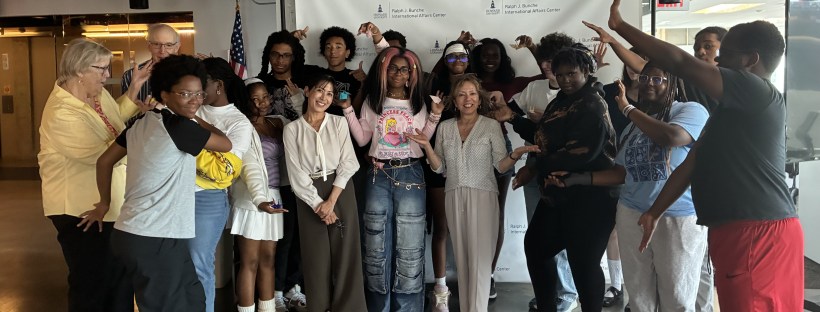
Note from the Program Director: On Friday morning, July 24, Japan in DC had the honor to meet with Mary Murakami to hear the story of her experience as a teenager living through one of the darkest chapters of American history – the incarceration of Japanese Americans during World War II. Mary was accompanied by her daughter, Kimi Murakami, who provided additional information and context.

Mary was 14 years old when the Japanese bombed Pearl Harbor in 1941, leading to the entry of the US into the war, followed by President Franklin D. Roosevelt’s signing of Executive Order 9066 in February 1942, which led to the incarceration of approximately 120,000 men, women, and children of Japanese descent – most American citizens. Mary described to our students in great detail what happened to her and her family before, during, and after her incarceration at Topaz Camp. Despite unbelievable hardships and disruptions to her high school education, through persistence Mary went on to attend the University of California at Berkeley, to earn her degree in public health/microbiology, and have a successful career as a microbiologist. We are so grateful that Mary has become a regular visitor to Globalize DC’s Japan programs. Mary is now 99 years old. She is a masterful storyteller. Her unrelenting commitment to sharing her experience and wisdom with younger generations is awe-inspiring, and our students felt the impact of this experience. Here are some of their reactions.
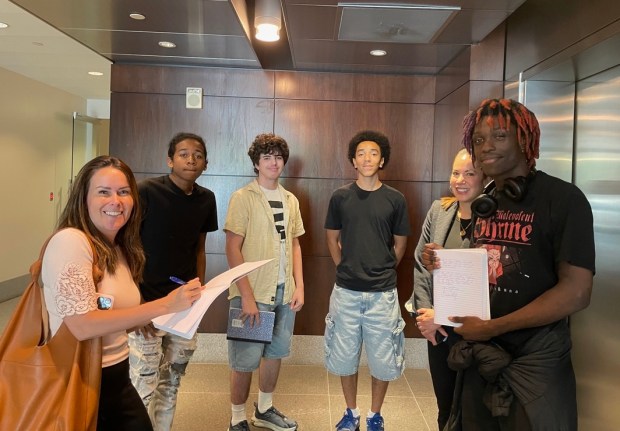
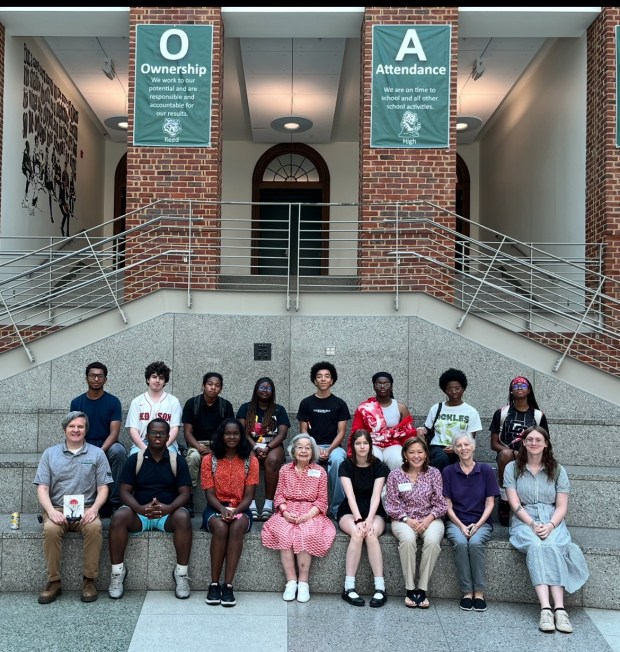
Special thanks to Jackson-Reed High School and Assistant Principal Marc Minsker for hosting this program, and inviting students from the school’s Academy of Global Studies and Diplomacy to join us as well.


Lauren:
The part of Mary’s story that made the biggest impact on me was at the start when she told us she was around our age going through this. Especially when she said she eventually could not attend school. I can’t imagine not being able to go to school, having to move into a camp in the middle of nowhere with my family and having to sell everything I couldn’t take with me. That part of her story impacted me most. A few feelings I have about Mary and the overall experience is proud, empathetic, and disappointed. I felt proud hearing Mary’s story, because even though she is 99, she is still able to go out and tell her story so that the next generation can carry it on. I felt empathetic because even though African Americans weren’t put into camps like Japanese Americans, they were still treated as badly, so hearing her side of the internment camps made me feel very empathetic. Lastly, I felt very disappointed with the US government because the US might not have been that diverse then, but people still should have been taught to treat others with respect no matter their gender or race. A life lesson I would probably take away is what she said at the end, “Remember your civil rights.” That is so important especially with what’s going on right now with ICE and deportation.

Christian:
The lessons I learned are that civil rights and the American dream should be something that nobody should be able to stop – not the government or any person. And lives may seem hard but will get better through will and hope.

Jaylen:
The part of Mary’s story that made the biggest impact on me was the part where she was answering a question about question 27 and 28 of the loyalty questionnaire. This really impacted me because she talked about families being separated and that is such an important thing to me because putting myself in their shoes, being around my age, being as clueless as I am, it would be really scary and I am not sure if I would have been able to do it. Beyond the story, I felt that this experience, similar to Gerald Yamada, was a great thing because it shows (no offence) that the history from back then is fleeting and we might not have much more time with these people so we should cherish our time with them. I think cherishing our time and listening to our elders is actually good for us and so that we can carry on the legacy of the past generations.

Malia:
The part of Mary’s story that had the biggest impact on me is when she talked about how her dad didn’t believe that Japan and the US were at war. It shows that the most unexpected things can have big impacts. I feel like it’s good that she is able to share her experience so that people can make an effort so it won’t happen again. A life lesson I will take away is to always try to protect my civil rights. Because you never know when they can be taken from you.
Pippa:
The part of Mary’s story that made the biggest impact on me was when she talked about how it was really difficult for her to receive an education, because even though it seems like she was really bright, she experienced a huge obstacle that stopped her from fulfilling her potential and living a normal life, and I think that goes for everyone in the camps, not just school kids. On the other hand, I thought the fact that she was still able to get into college was very uplifting. I thought it was interesting how she said, “at this point, this experience is a very small fraction of my life, but it still stays with me.” It shows that even though some historical events like this only lasted a short amount of time, the actual impact they have on people’s lives is immeasurable. I also thought Mary’s perseverance throughout it all was admirable. The life lesson I take away is, like she said, it’s important to protect civil rights. Her experience shows what can happen when they are ignored and so it’s really important to be active in defending and fighting for civil rights even now.

Blessing:
The part of Mary’s story that made a big impact on me is how her education was very difficult for her and she missed her 9th grade, but did not give up on her education and still tried to find a way to go to the university after World War II. I feel like she is a strong woman because of the way and circumstance that she was living as a teen was very bad. I observed that she is a person that gets the thing that they want and has a strong family that did some of the things to help them survive during the time they were in the camps.

Madisen:
Mary’s story of returning back to society after being incarcerated made the biggest impact on me because of how difficult it was to continue her life. Mary had only just received her diploma and chose to return to California, only to face racial discrimination. Because the government chose to negatively represent Asians, many Americans did not like Asians or Asian-Americans or want them in their community. This impacted me because of how unfair it must’ve been for Asian Americans continuing their life in America. I observed that Mary hadn’t been particularly depressed during this time in her life. Although she explained that her time at the camp was rough and often violent, she didn’t let that deter her. Mary had also described how fortunate her family was to receive rooms and overall be with each other, unlike many families who were separated. A life lesson I may take from Mary’s presentation is to preserve your education. When Mary and her family were incarcerated, she had to stop school for a time, and even before the camps she couldn’t go to school because of the curfew put on Japanese people. However, the incarceration camps did not stop her from trying to get her education.

Aston:
I was deeply inspired when she had told us about the daily life of the kids in the camps because it showed me that you and the people around you can enjoy yourselves within dark times. From the overall experience I felt determined to take this knowledge and use it to try to prevent this from ever happening again. The life lesson I’ll take away – that even when you find yourself in a dark time, you can still come back stronger.

Liam:
The part of Mary’s story that had the biggest impact on me was when she talked about her life before the camps, especially when she talked about how the FBI would go through Japantown and the Army blocking off streets. I’m not really sure why but that stuck with me. The life lesson I took away from Mary’s story is when she said “strive to do right without violence” at the end.

Morgan:
The part where Mary said she originally wanted to answer “No. No” to question 27.28, but her family made a group decision to answer “Yes. Yes.” Those two questions sparked many fights and deaths inside the camps, and separated families because people who answered “No. No,” “Yes. No,” or “No. Yes” were considered disloyal and were relocated. I might take away the fact that sometimes you have to make do with what you have, because life will not always be kind to you. Also, to live is to keep going, even in the face of adversity. $25 and a train ticket . . .  and she became a biochemist!!

Discovering Outside Cultural Influences in Japan through Japanese Art

By Pippa Byron

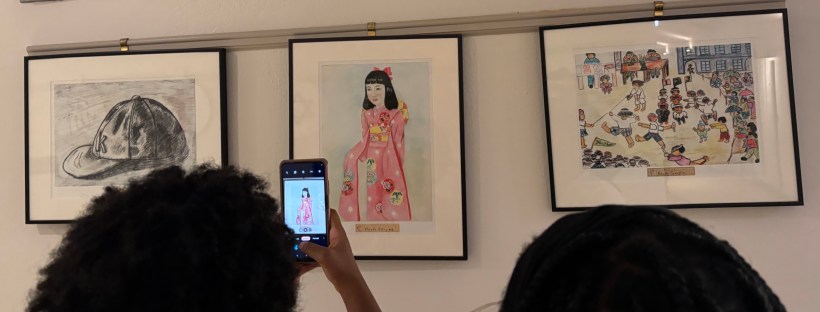
On Friday, July 17, we visited the National Museum of Asian Art. We were given a tour of the Japanese art collection. During the tour, I ended up being really surprised by the amount of influence that other cultures had on Japan, and how those influences could be seen just by looking at their art. 

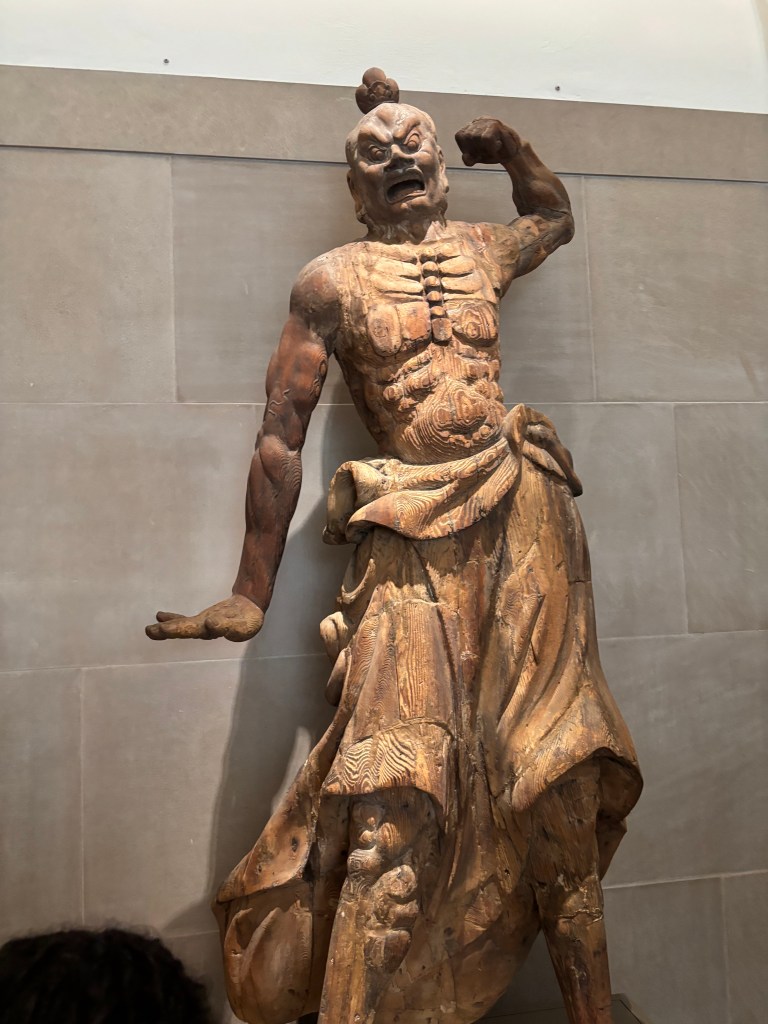
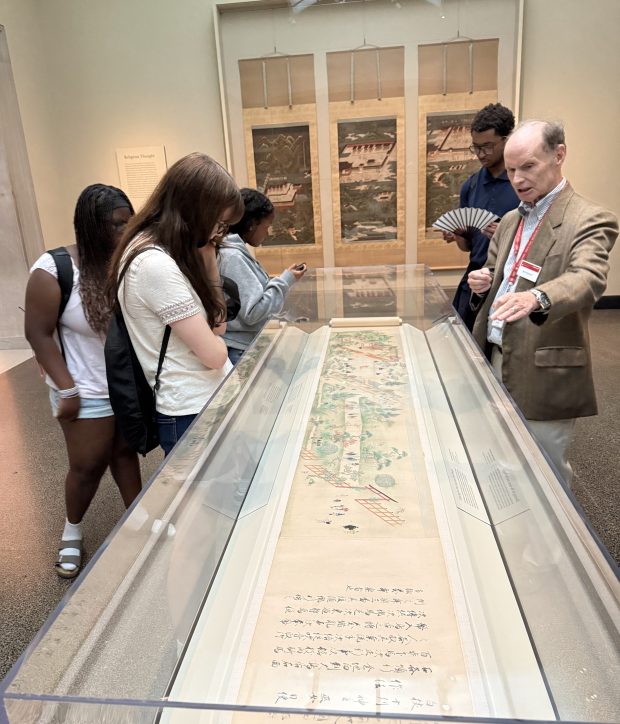
To begin the tour, we saw a wooden guardian figure from the Kamakura period. We learned that these types of statues were placed at the front of shrines to ward out things that weren’t compatible with Buddhism and let in those that were. Our tour guide, John Brennan, explained that Buddhism and Shinto were the most prominent religions of Japan for much of its history. But the religions were not practiced separately. Instead, many shrines served both as Buddhist and Shinto shrines, and it became valued in Japan to follow and coexist with both Buddhism and Shinto. This was really interesting to me, because I’ve never heard of two religions being practiced together – it seems to go against the idea of devoting yourself to a religion in the first place, especially thinking about it in the context of the Abrahamic religions that most of us are used to. But thinking about what I’ve learned about Buddhism and Shinto in the past, it actually makes sense. Neither Buddhism nor Shinto has a “God.” In fact, neither religion includes the idea of any sort of all-powerful, universal creator. Therefore, you can worship both without having to “choose” a God. Additionally, I’ve learned before that Shinto doesn’t even have a central text, making it easier to combine it with Buddhism. In the end, we were told that during the Meiji restoration, most “foreign” things and ideas in Japan became taboo, and Buddhism, having originated from India, was pushed out. But to this day, we can still see Buddhist influences in Japan reflected in these art pieces. 


Chinese Influences

While looking at the art and being told its history, one thing became clear — Chinese art was one of, if not the most prominent outside influence on Japanese art. Mr. Brennan was the perfect person to tell us about this. He had studied both Chinese and Japanese for a long time, had lived in Japan and China, and knew their history well. Through the art piece below, we learned that a long time ago in Japan, there was a certain writing style that used only Chinese characters and was comprehensible to both Japanese and Chinese speakers. I thought this was really interesting, because when it comes to spoken Japanese and Chinese, they are completely different. Yet, since Chinese characters are used to convey meaning in both written languages, using written language can actually produce something that can be understood on both sides. As far as I know, there’s no other pair of languages that have this attribute. The text in this specific art piece wouldn’t be very easy to understand for Japanese speakers today, but it’s still fascinating to know that there was a time when the written language worked this way. 

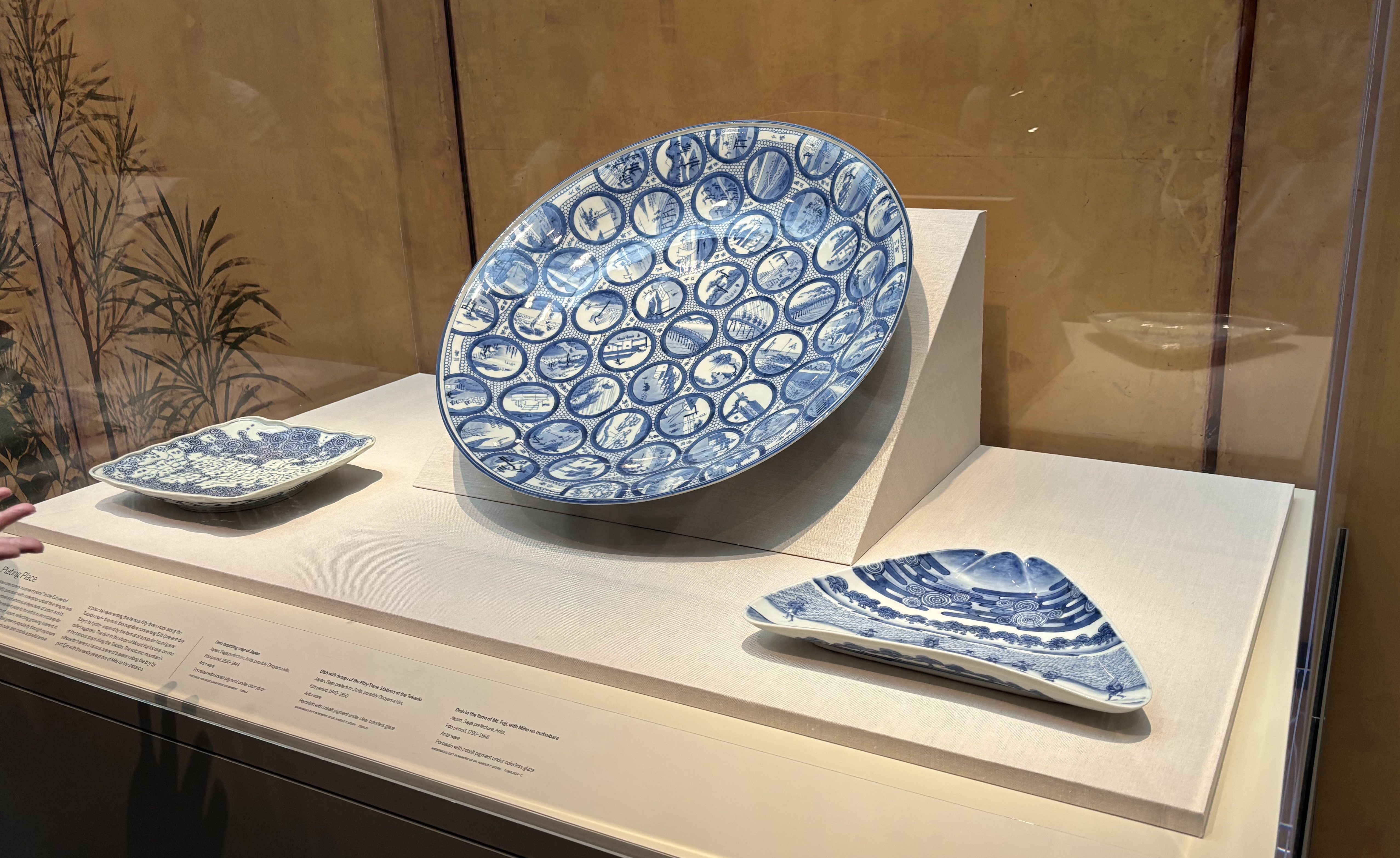
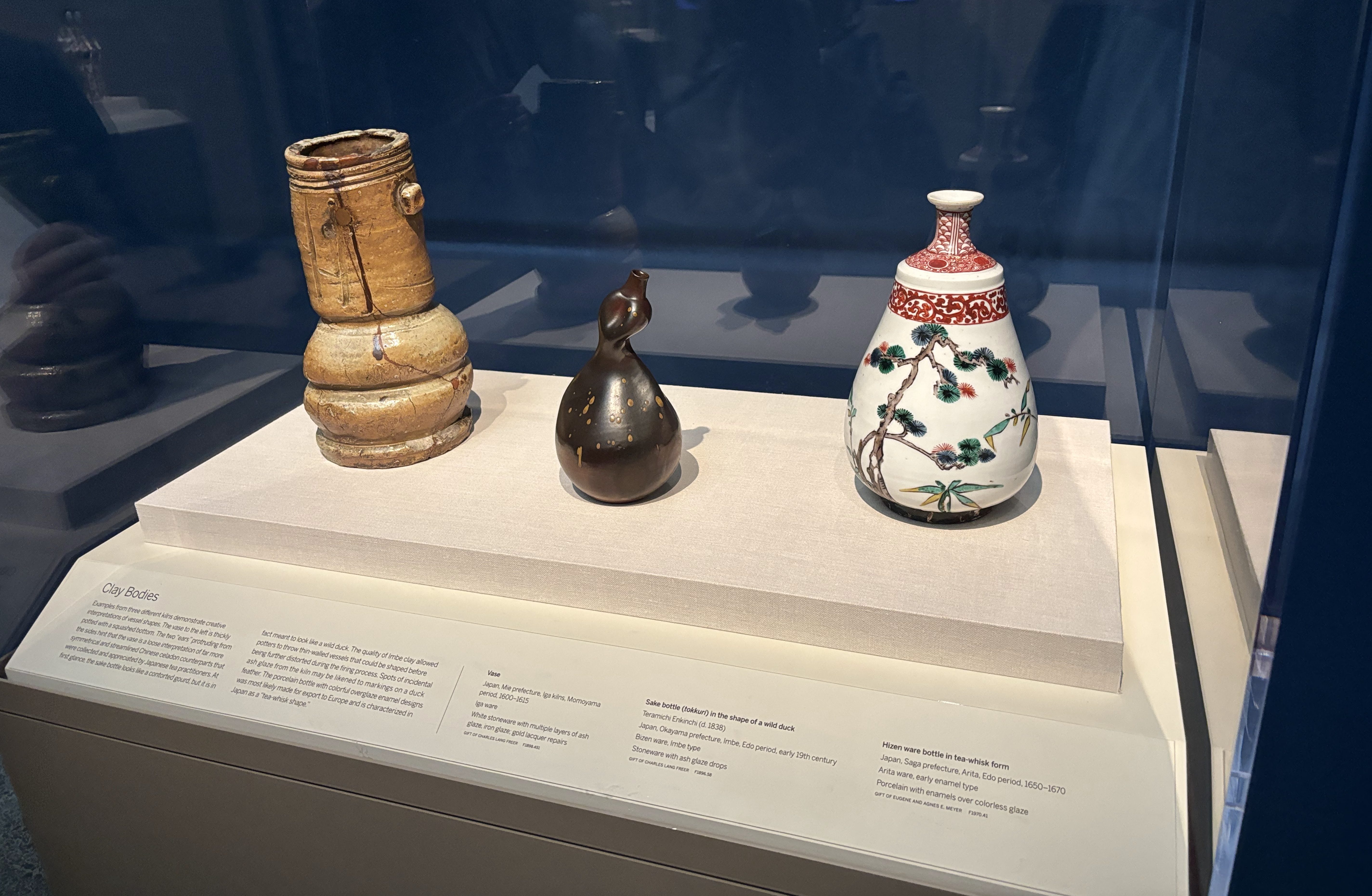
Below are more Japanese art pieces that were influenced by Chinese art. As our tour guide stated, although the inspiration is clear and the pieces show a lot of similarity to traditional Chinese art, none of them are exactly the same as their inspiration. For example, while the porcelain plate appears very similar to the well-known Chinese blue and white ceramics, its design is actually based on a board game played long ago in Japan. In the other picture with 3 pieces of pottery, the piece on the very left uses a pottery shape popularized in China. But rather than being a flawless, smooth and evenly glazed work, as these types of pieces usually were, it is purposely made to look imperfect, conveying the Japanese concept of wabi-sabi (meaning to see beauty in imperfection). It goes to show that while many cultures, and evidently Japanese culture, have taken in many outside inspirations and influences, they often change to reflect the culture itself, despite being something originally foreign. 


In Modern Times

Seeing these cultural exchanges through Japanese art made me think about how these same cultural influences happen even in the modern day. Take Jazz, for example. It’s one of the most important genres in American music, and it is fully American-born. However, I’ve always found it interesting that Jazz is also extremely popular and has a large presence in Japan. Apparently, this phenomenon starts from the early 1900s, at the very beginnings of Jazz. During World War 2, Jazz was banned by the government, being considered “enemy music” because of its American origins. But despite this, it continued to flourish, especially after the war and beyond. And just like what I talked about when it came to the porcelain and pottery, this movement of Jazz to Japan didn’t just mean that they took an American genre and popularized it there – instead, they’ve developed and molded it into “Japanese Jazz,” having a distinct sound from what the music originally came from. There are lots of other examples of this sort of movement of culture, from America to Japan, Japan to America, and all countries, all throughout history, as shown in the art we saw.

I’m really glad we got to have a tour of the exhibition and I learned a lot!

A Visit from Gabrielle Headly

By Pippa Byron

Last week, Gabrielle Headly, an employee at the Japanese Embassy’s Japan Information and Culture Center (JICC), came to visit us and talk about her experience with studying Japanese culture, studying abroad in Japan, as well as her life’s career path and how Japan has influenced it. Gabrielle’s story ended up being really interesting to me because not only did she go to Japan, she intertwined it in her life and learned many skills and lessons during her time there.

Gabrielle started by explaining how she was first introduced to Japan through its pop culture. She said that as someone of Caribbean descent, she could feel that Japanese culture was very different to her own, which intrigued her. This led her to self-study Japanese for a while. Later, as a high school graduation present, Gabrielle went to Okinawa, Japan, where her uncle worked on an American military base. This trip was a great experience for her, and she decided to continue pursuing her love for Japanese through minoring in Japanese in college. 

In her Junior year of college, Gabrielle spent a semester studying abroad in Osaka, Japan. She said Osaka was a very fun city to live in and the university she went to, Kansai Gaidai University, was a great place for cultural exchange, being an international school. After spending this extended period of time in Japan, she realized she wanted to live there. She greatly appreciated the sense of safety she felt in Japan and the vibrancy of the culture.

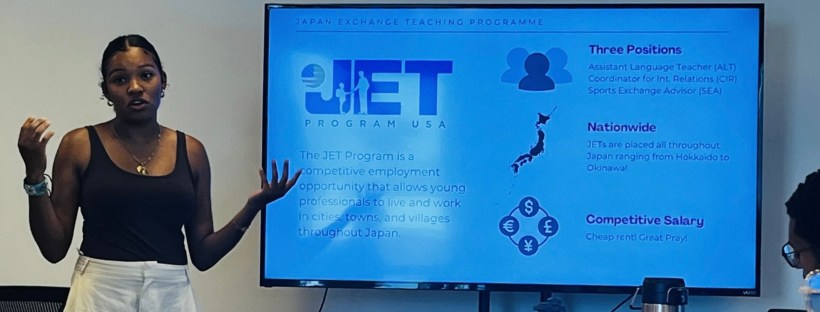
To pursue her dream of living in Japan, after graduation, Gabrielle decided to apply to the JET program — a program that connects Americans to English teaching jobs in Japan and arranges their stay there. Gabrielle was accepted, and was sent to a small town in Oita prefecture. Upon her arrival there, she was surprised to find out that the town was largely art-focused, and that most of the people and establishments there were related to different art forms. Gabrielle had previously mentioned to us that pottery was one of her biggest interests even back in the U.S., and she had done a lot of work and classes related to pottery. So, along with her teaching work, she was “adopted” into a ceramics store, where she did pottery and was introduced to the Japanese art of Kintsugi, which is a technique that uses gold to fix broken pottery. Along with becoming invested in her community, she also got to travel a lot and see different areas of Japan.

Later on, she decided to end her teaching contract with JET and continue to live in Japan on her own. She moved to Fukuoka, a larger city, where she studied pottery and got officially certified in Kintsugi. Here, she met a lot of interesting people with unique interests such as punk music, and made lots of great friends. Gabrielle told us that she had had a bit of trouble in Japan regarding her hair, as people in Japan often didn’t know about black hair and assumed she had gotten a perm or that her hair was messy. However in Fukuoka, she happened to meet and become friends with a hairdresser who was interested in learning how to work with black hair, which became mutually beneficial for both of them. Meeting so many people she connected with on a deep level was one of the best experiences Gabrielle had in Japan, and she is still friends with them to this day.

In 2023, Gabrielle decided to move back to the U.S. She found out about a job opening at the Japan Information and Culture Center involving their exhibitions. She realized this would be a great position for her, as she loved the idea of being able to teach others about Japanese culture. She eventually became the exhibition coordinator at JICC, and she’s able to put both her creativity and her knowledge of Japan into her work. She even has an upcoming exhibition about Yōkai, which are supernatural entities in Japanese folklore, and we’ll have the opportunity to see it soon!

To me, Gabrielle’s story was extremely inspiring for a few different reasons. To begin with, I thought it was amazing how Gabrielle took Japanese, which was just a hobby at the beginning, and turned it into a lifelong journey of experiences and career opportunities. I am still having trouble figuring out exactly what I want to do in the future, and seeing that it’s possible to find a job that connects so strongly to your interests was really enlightening to me.

Also, I really enjoyed hearing about her experience connecting with different communities throughout Japan and finding lifelong friendships. As someone who also wants to go abroad in the future, I’ve heard a lot about people living in a different country than theirs who struggle to integrate socially because of vast cultural differences. But Gabrielle’s story proves that finding shared interests with others, as well as engaging in community activities and traditions, can foster a sense of belonging and build new friendships no matter how different a place’s culture is. Moreover, I thought that it was great that even though Gabrielle was away from the U.S., she was able to continue pottery, a hobby that she loved, and study Japanese styles of pottery, an experience that she wouldn’t have gotten in the U.S.

Lastly, I liked that Gabrielle had tried a lot of different things before settling down in her current occupation, like teaching and moving to different places. I think that it’s often good for people to experience and try a lot of different things in life before settling down, instead of just going down a straight line to one job or living situation, and I also hope to try a lot of things just like Gabrielle. Gabrielle’s current position also highlights one of the benefits of living in D.C. As the capital of the U.S. where all the embassies are, there are a lot of opportunities related to world cultures and diplomacy. As someone who’s really interested in both, it made me realize that I should take as much advantage of living here as I can. 

Altogether, it was an inspiring story of following one’s passion, and I think all of us learned a lot from it, and I’m excited to visit Gabrielle at the Embassy of Japan and learn more about her work!