US Holocaust Memorial Museum


NOTE FROM THE PROGRAM DIRECTOR:
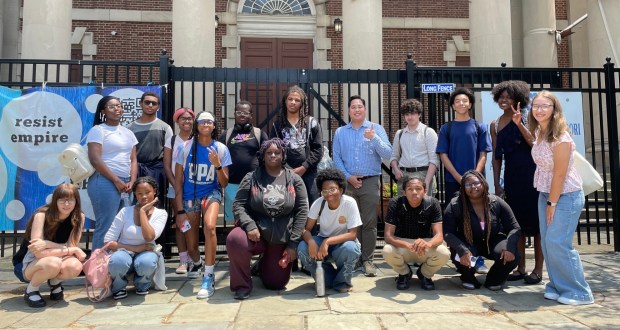
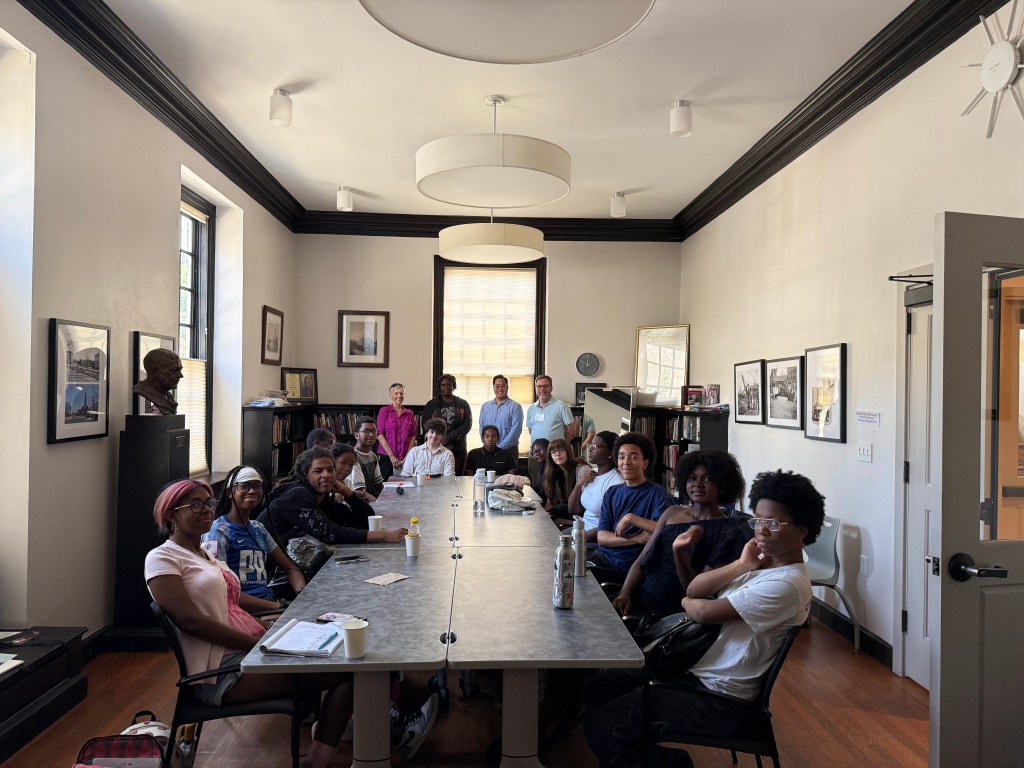
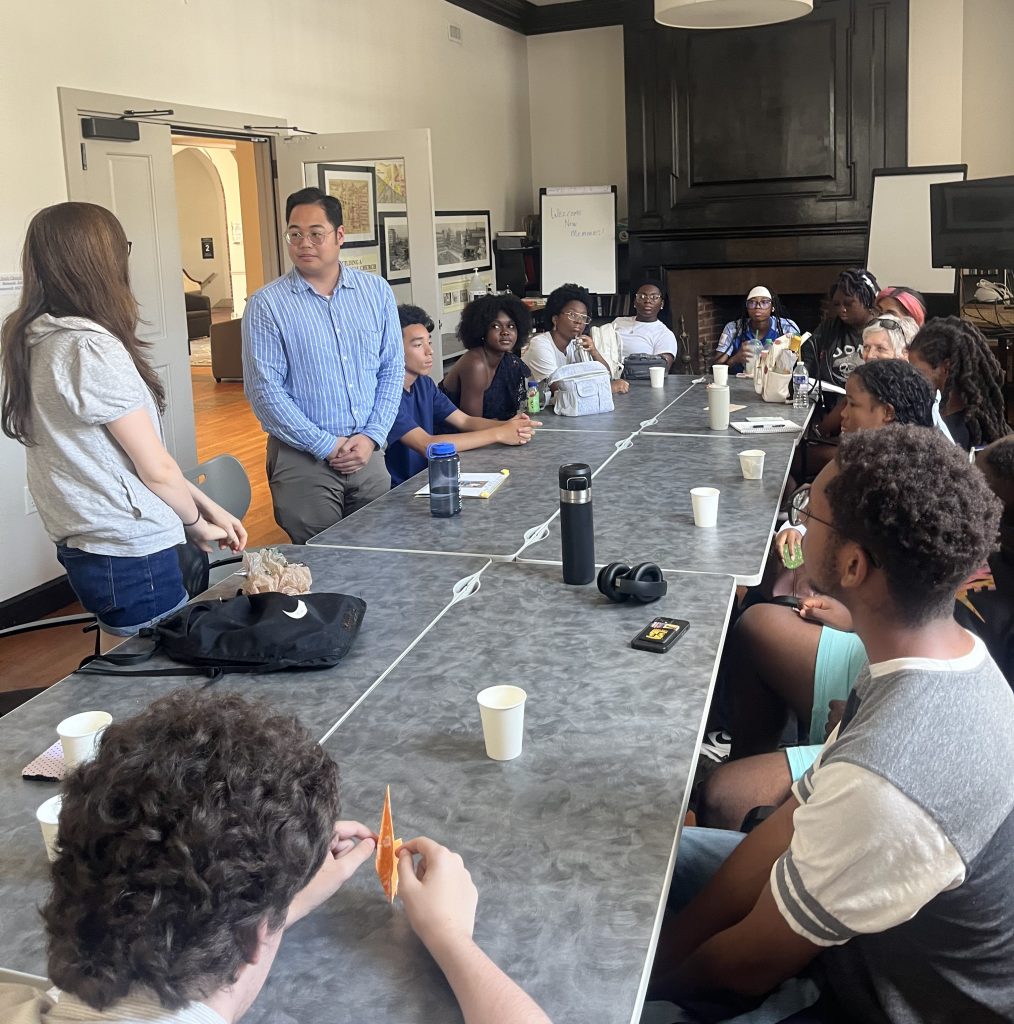
Any visit to the US Holocaust Memorial Museum is overwhelming, and so it was for our students. For most, it was their first visit to the museum, even though they live and go to school in DC. Because a major focus of this year’s Japan in DC program was on the World War II era, our three hours spent there on July 21 had special significance, and was informed by other visits and presentations on our summer agenda.

Students were first guided through the museum’s Permanent Exhibition by high school student docents in the USHMM’s Bringing the Lessons Home (BTLH) Ambassadors Program. The tour included a stop at the exhibit on Chiune Sugihara, the Japanese diplomat in Lithuania responsible for rescuing thousands of Jews. This was followed by a tour of the special Americans and the Holocaust Exhibition, which included content related to anti-Japanese propaganda and Japanese American incarceration, led by museum historian Rebecca Erbelding. Then our students were treated to lunch and a debriefing with the BTLH youth docents. Very special thanks to James Fleming and Jamil Miller of the museum’s Education Office for putting together such a meaningful program – and for providing us with air conditioned charter bus transportation on such a hot day!


Below you can read some of our student reflections on how the visit impacted them and what lessons they drew from the experience.

Malia:
The part that affected me the most is the beginning of the Holocaust. Most people don’t know how the Holocaust started so knowing how it began is impacting. I think more people should visit the museum so that they can know more about that period of time and know how to avoid something like that in the future.

Life lesson: Tell more people about the Holocaust so that in case something similar happens again, we can try to avoid it so more innocent people don’t get hurt.

Madisen:
The idea of the Jewish survivors of the Holocaust as well as the idea of the bodies impacted me the most because of how these men, women, and children looked either dead or alive. Many of the survivors of the Holocaust were very skinny, and despite being freed didn’t particularly looked pleased. It disgusted me how evil a human being could be to innocent people, and how few who weren’t Jewish protested until other countries intervened. While in the Holocaust Museum, I felt a great sense of empathy for the families and communities affected by the Nazis. I am grateful that the museum did not censor anything, so people Jewish or not Jewish alike can know what truly happened in the Holocaust. I, myself, am not Jewish, but I have a Jewish friend and I feel empathy towards her family because of how strongly I feel towards the Nazis. The imprisonment and abuse of Jewish Germans reminded me of the incarceration of Japanese and Japanese Americans during World War II. Although what the Japanese Americans experienced wasn’t as extreme, both minorities were wrongfully imprisoned and mistreated.

Morgan:
I felt intrigued at first, because I have never visited the museum, ever. It was my very first time. It was definitely a shock. Before this visit I never really knew what specifically went down during the Holocaust, only that Jewish people were captured, put in camps, then killed. I could have never imagined all of this could have happened. I felt a deep sense of disturbance when looking at some of the exhibits, especially the photos of the doctors seemingly treating the disabled men, women, and children, but they were instead killing them with injections, pills and starvation because they were seen as a cancer and a burden on society under Hitler’s dictatorship. I also felt disgusted looking at the piles of dead, naked bodies of Jewish people when the Nazis started to murder them.

Life lesson: I would say that it is important to record history, no matter how grotesque and gruesome it is. There will be people that deny the existence of historical events, and there should be photos, written accounts, or witnesses to not only prove its existence, but just how gruesome it was.

Zaevior:
During our visit to the Holocaust Museum, I felt especially moved by the Permanent Exhibition tour we did. Seeing the terror the Jewish people went through broke my heart more and more as the tour went on. The temporary exhibit showcased the heavy discrimination that Japanese American immigrants went through. Seeing what Japanese Americans dealt with is very reminiscent of the Jewish concentration camps, though not to that extreme.

Life lesson: After the museum visit, an idea that stuck with me was an idea of preserving history so it’s not repeated.


Pippa:
The part that made the biggest impact on me was when I saw videos/pictures of the survivors of the Holocaust right when they were being freed. The graphicness and how starved they looked was very upsetting, but it showed the severity of the Holocaust and the fact that each victim was their own person just like anyone. We learned about the Japanese camps because there was also an exhibit that talked about the incarceration camps, showing that the scapegoating of Jews in Germany was similar to what was done to the Japanese in America. I was really surprised by the pro-Israel exhibit at the beginning. I thought it was really contradictory to the museum’s message at “preventing future genocides.”

Life lesson: Think critically about any information you receive, no one is immune to propaganda.

Aston:
The part of the program that affected me most would be the recordings of the Nazis dumping dead bodies into pits because of the cruelty of the soldiers and the disgust of the passersby. I felt saddened due to the events that transpired but I noticed the will to inform people like us from the tour guides.

Demetris:
The part of the program that had the biggest impact on me was the Holocaust Museum tour and that was so impactful because of the long history of unfairness, pain, torture, and wrongdoing that the museum showed and how destroyed Europe was during and after the war. Something that I felt while being there was a feeling of sympathy, but a feeling of emptiness because of how much the people who suffered had to go through but also the reason I felt empty. I learned that the museum had parts in it that showed how poorly the Japanese were treated in the USA, mostly in the West Coast, and the way that this can relate to this program is by helping us feel and understand how much Japan and the Japanese people affect the way the USA still is today.

The life lesson that I took away from this was “You can make history but you cannot erase it.”

Lauren:
The whole museum had a big impact on me because I had heard very little about it before, so going to the museum was so eye opening since our tour guides went so in depth about some information and the museum was so graphic. I observed that the museum was so real and truthful about all the events and who was affected by the Holocaust. It made me feel upset that millions of people were killed because of their beliefs.

Kamaya:
The impact of the Holocaust was deep because the amount of discrimination there shows how gruesome it was. It made me appreciate the importance of treating everyone with respect. It was hard to listen to all the horror stories of all the people, men, women, and children that suffered. All those victims that died just because of their race.

Christian:
I found the student tour guides very good sources of information. Also the time, energy, and care they put in across the museum and learning about it. I had a special interest in the museum’s temporary exhibit on the Japanese American internment. It showed that both Jewish and Japanese Americans were targeted and imprisoned for their race. A big impact the visit left on me was learning about the “5th column.” The Americans feared that the Japanese Americans would turn and attack the West Coast for the Emperor. It showed how fear and patriotism moves American public opinion for or against something. Fear of a far away enemy can make Americans turn and attack each other. Especially against other races and religions.


Kiya:
The biggest impact of the program was going and visually seeing what happened to the Jews during this time. Also to get a further in depth explanation of the Holocaust because you learn about it in school but to actually go to a museum – and see and hear all the stuff that happened was really amazing. Mainly I would say my feeling after being at the museum was relatability, mainly because I’ve noticed since joining this program that many people like us (as in black people) have been or get treated exactly the same because we’re different than your average white American. So I felt sorrow and relatability.

Honesti:
After going to the Holocaust Museum the thing that made the most impact on me was how isolated they made the Jews to the point that they experienced bad reactions and had to go different roads to walk, like the Japanese concentration camps with them being isolated and treated like they were criminals and getting bad looks from others after coming back home from the camps. The trip made me feel sad for the people that were there and heartbroken they had to deal with that.

The life lesson I would take away from this is that the discrimination of people is a ridiculous thing that people do during war and with a flawed view.

Liam:
The part of the exhibit that I found had the most impact on me was seeing the starved prisoners, and the corpses. I felt this underlying dread throughout the museum, like a heavy weight deep in my body.

DeVonte:
The part of the Holocaust that made the biggest impact on me was that when they were trying to separate the Jewish people from the Germans they had tools that measured the head, the nose, etc. So they can separate Jews and Germans. Also how Reinhard Heydrich I believe was considered the perfect man. I saw the Holocaust as a bad thing with the mustard gas, the killing, the tools to measure the body to separate the Jews and Germans.

Jaylen:
The part of the experience that had the biggest impact on me was the long lasting impacts that the Nazis have on today’s day and age. One life lesson/takeaway that I got from the experience is that victims of a crime can also commit that same crime.


Karin Tanabe and Victoria Kelly

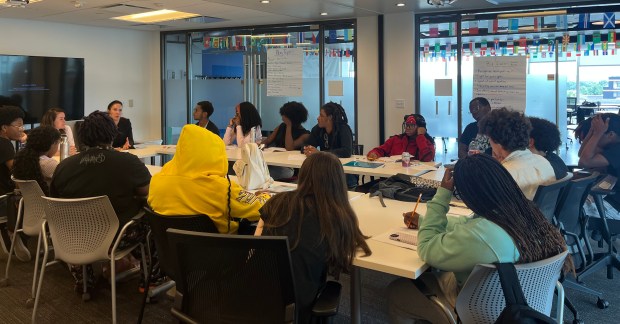
NOTE FROM THE PROGRAM DIRECTOR: Our week, focused on World War II and the atomic bombing of Hiroshima and Nagasaki, continued with a visit on July 15 from Karin Tanabe and Victoria Kelly, co-creators of the documentary, Atomic Echoes: Untold Stories from WWII. This film, which is currently airing on PBS, tells the story of the impact of these horrific bombings on the lives of both Japanese residents and American veterans who lived the experience. Through the personal stories of survivors from both the US and Japan, Atomic Echoes shows the deep and long-lasting effects of the use of nuclear weapons, and the responsibility of the current generations to remember and learn from the past. Karin Tanabe is a first-generation American, and an author of historical fiction and a journalist. Victoria Kelly is also an author and poet, and granddaughter of an American atomic veteran. Karin and Victoria see their film as a “tool for peace” that can be used for discussions in school classrooms or community settings like ours. Our students had strong reactions to what they learned this day.


Pippa:
I liked how Karin and Victoria covered a variety of topics surrounding the bombing. They talked about both the human stories, political side, moral arguments, and health effects of the bomb. The part that had the biggest impact on me was hearing about the picture that they described of the boy by the crematorium. Hearing about that made me very emotional and made me think about how beyond all the deaths that happened, a lot of pain also happened through what the survivors had to deal with, both through grief for their loved ones and the lasting effects of radiation on human health. Life lesson: Always think about the people that may be affected by your actions.

Lauren:
Hearing Karin Tanabe talk about the effects the atomic bomb had on Hiroshima and Nagasaki was so saddening to hear. Even though it has been a long time since then, so many people are still affected. What shocked me the most was finding out survivors that had kids later on, their kids have radiation in their DNA, which I believe can be passed on still.

The part of Karin’s presentation that impacted me was finding out the US government wanted to keep the effects on Japan after the atomic bomb a secret from the public because first, they knew it was wrong and inhumane, and second, they knew it was so graphic and that many people died. They didn’t want people to know that people who lived in Hiroshima were affected more than the rumbled and almost gone buildings that were the only thing photographed after the bomb dropping, and what would be the only thing released to the public on the bomb dropping until the 1990s. Almost 50 years later.

The one thing I took away from what Karin spoke to us about is that all countries should get rid of atomic bombs as a whole. Everyone should be taught about the Hiroshima and Nagasaki bombings, and world leaders should recognize the effects and the amount of deaths that came out of one bomb and decide that nuclear bombs shouldn’t be a thing.

Aston:
The biggest impact that the meeting with Ms. Karin and Ms. Victoria had with me would be their description of the atomic bombing of Hiroshima and the experiences of the survivors due to how traumatizing and unbelievable the event seems. I felt shock and pity for the fallen victims throughout the visit. The information I learned here directly tied to the information we learned at All Souls Church and their Hiroshima Children’s Art project. Life lesson: Keep pushing forward even when it seems impossible.

Blessing:
The part of the program that had a big impact on me was the photograph of the boy who was holding his little brother on his back and did not know that he was dead. I feel so bad because they did not have to drop this bomb. They could find another way to fix things. Life lesson: We do not have to create a war for a misunderstanding. We can act like humans who are smart and think before doing something.

Kamaya:
Listening to this presentation made me realize that the impact of the atomic bombings went far beyond the destruction of all buildings in the area. I learned that survivors that didn’t just die right away suffered lifelong problems mentally and physically. The radiation did more than anyone realized. This made me think of the millions whose lives were destroyed.

Madisen:
When the United States dropped the bomb on Hiroshima and Nagasaki, they thought little of it and celebrated, while Japanese citizens were viciously killed in the explosion and lost everything. Hearing about the Barbie and Oppenheimer movies collaborative promotional campaign (“Barbenheimer”) and how it was disrespectful towards the Japanese showed me how insensitive people can be towards traumatic events if they don’t directly affect them.
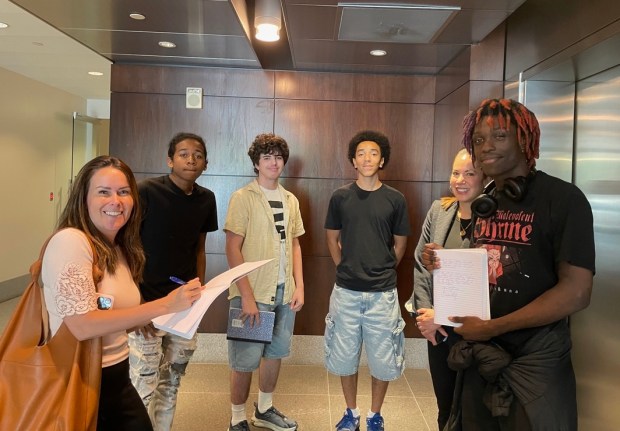
Karin and Victoria turned out to be celebrities! Demetris, Liam, Jay, and DeVonte getting autographs after a very meaningful session.


Finding Inspiration at All Souls Church

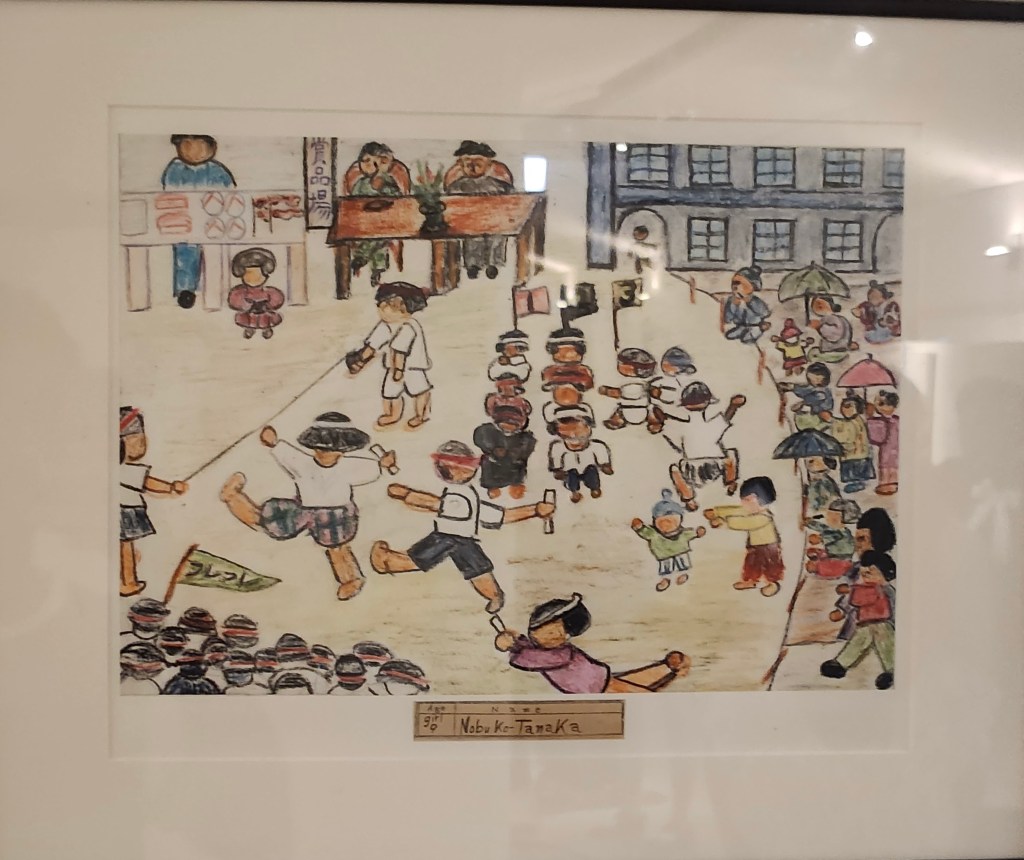
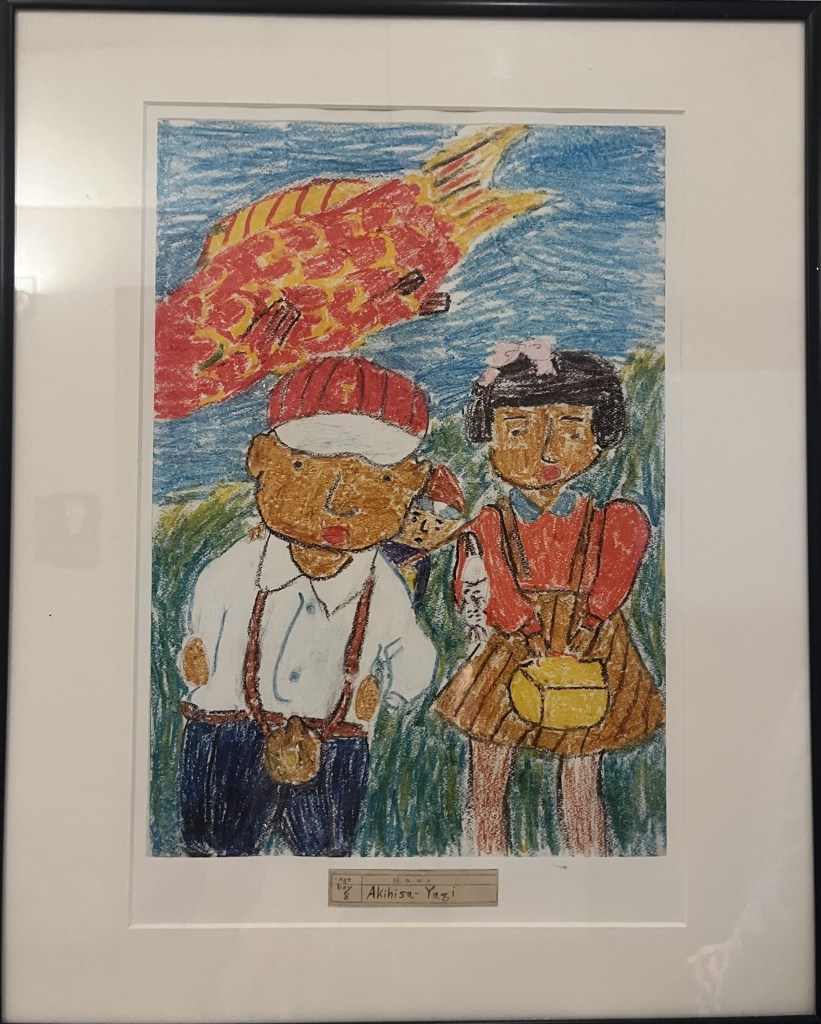
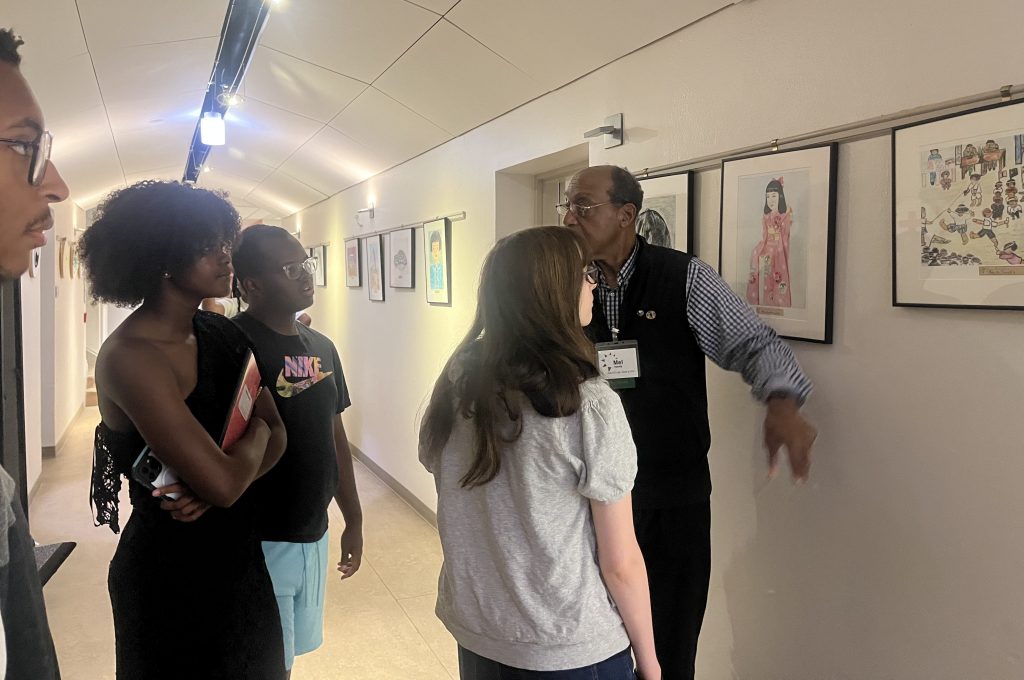
NOTE FROM THE PROGRAM DIRECTOR: A visit to All Souls Church Unitarian on 16th Street, at the intersection of Mt. Pleasant, Adams Morgan, and Columbia Heights, is the experience we look forward to in each Japan in DC program. All Souls is a historic DC church with a strong social justice tradition. After World War II, the children of All Souls collected art supplies to send to the surviving children of an elementary school in Hiroshima, Japan, devastated by the atomic bomb dropped on their city by the United States. This gesture of support from the All Souls community was reciprocated when they much later and unexpectedly received a box of children’s drawings from these same children as a gesture of appreciation. During our visit on July 14 our students were able to view this extraordinary exhibit of Hiroshima Children’s Drawings. We were welcomed by Rev. Rob Keithan, Charles Wooldridge, and peace activist Mel Hardy who shared information on the church, the history of this project, and the church’s ongoing Heiwa Peace Project.

This incredible history is documented in the film Pictures from a Hiroshima Schoolyard, which our students watched the day before our visit to the church. You can find the film streaming on a number of platforms. We highly recommend it.

We were also joined by Karl Tan, a Public Affairs Officer at the Embassy of Japan, who spoke to our group over lunch about his experiences as a JET teacher in Nagasaki, as well as his own interest in Japan and career trajectory.


Here are some of our students’ reflections on the visit:

Kiya:
The biggest impact was how kids have so much imagination. Also the impact kids can have to bring two nations together even though they were in deep hatred with each other. My feeling mainly was how much I loved that the church is doing their best to preserve the memory and the history of the beginning of the peace between Japan and America. The lesson I learned was that after a fight you don’t have to hate that person after. Happiness and peace is always a choice and it’s a matter of if you choose it or not.

Demetris:
I felt a lot of an old feeling, not because we were in a church, but because it seemed old with a lot of historic things inside and it was really quiet too, so it made it more peaceful than anything. The part of the program that had a big impact on me was that All Souls Church had the drawings of kids’ artwork from Hiroshima, Japan but not only that. It was mostly on how old and how long ago it was, mostly how the drawings were made only two years after the bombs but somehow were full of color and talent. It showed the optimism of the kids and we can learn from this by seeing even in time of despair we can still see the beauty in what life has given to you.

Life lesson: “Even after devastation, they chose to see beauty in life and create it for others to see.”

Kamaya:
Seeing all the kids’ drawings made it emotional to know that the kids still had the creativity. Visiting all Souls Church taught me that there are worship communities that do so much.

Madison:
Seeing the drawings of the Japanese boys and girls in Hiroshima was the most important to me because of the nature of the art pieces. Despite facing a traumatizing experience and losing their homes and all their connections and belongings, the drawings these children drew were not negative and gloomy, but bright and colorful. This shocked me, especially with how grateful they were when receiving colored pencils from the country who bombed them and sending gifts back to the church. I enjoyed seeing the drawings of the children. Not only were they beautiful and well drawn, but they are artifacts from real people. Aside from the drawings, I enjoyed hearing about the church’s history and what they do to honor it.

A valuable lesson that could be taken from the visit is to help others no matter who they are, and you shall be rewarded.

Zaevior:
At the All Souls Church, the biggest impact for me came from the Hiroshima children’s drawings in the basement. Knowing those drawings came from preteens following their homes being bombed breaks my heart. Before going to the Church, we watched a film about it. In the film, we learned that the church had created a Heiwa Peace Project to help after the war. After the visit, an idea that stuck with me was that art can tell many stories.

Lauren:
The thing that made the biggest impact on me was seeing how the kids were able to make such happy drawings full of color after a tragedy. This impacted me deeply because I could never imagine drawing such things after losing loved ones. The visit to the church felt so wholesome because Honkawa didn’t have to send anything back after receiving the supplies from All Souls, but instead of sending a thank you card they sent beautiful drawings which shows how kind Honkawa Elementary was to a nation that killed so many of their people.

A life lesson I would take away is to not let anything dim your happiness and kindness.

Aston:
The most impactful part of the program to me would be the pictures that the kids made since they could show how life was for them or even a symbolic reflection of their current life situation. I felt amazed because of their artistic abilities.

DeVonte:
The part that surprised me the most was how the paintings weren’t bad, like they showed colorful and heartwarming paintings. They didn’t show war and the chaos that just happened. I didn’t even know that a school survived and their kids drew amazing paintings that leave an impact on the world. It shows how, because of something, it didn’t affect the peoples’ minds. They could still find a way to have fun.

Christian:
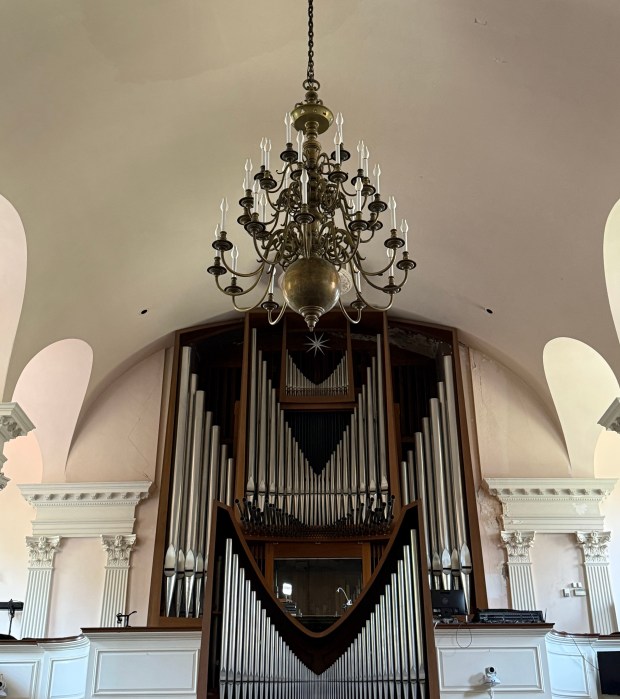
The biggest impact left on me was the pictures. How they weren’t war kids’ pictures but instead colorful, bright, and of people in places stuck in time. It made me feel a great sense of calm and impressed. I liked how much history and things were inside the Church – from Austrian organs to the Japanese kids’ pictures.

Life lesson: Colors make everything better.


Blessing:
The part of the program that made a big impact on me were the children who were innocent but had to face something so terrible. So young and beautiful. All of this because of the bombs that killed their family and their home. That’s not a good thing to do to children so innocent because of their parents. I feel so bad for the baby who died on the back of his brother. That was so much pain for a kid to lose his brother so young. This experience is related to all of the things that all countries cause each other. There are people who did not even talk but yet were killed just like that.

The life lesson is to not try to fight someone who has more power than yours or you could lose your family and your peace on one day, and also learn how to rebuild what has been destroyed.

Honesti:
The program left an impact on me because of how colorful and vibrant they were able to make their drawings despite the things they saw and lived through. I was deeply hurt after the bombing and how they progressed through the horrible situation they were in. I love how they were able to visualize things in such a beautiful light even through the mess and destruction of their Hiroshima.

Jaylen:
I think the thing that stuck with me the most was the fact that the children still remembered the times before the bomb, and also the fact that they could still keep moving forward after such a devastating attack, because I feel like if my whole city was bombed and thousands of people died, I would really struggle to keep on going. Also the fact that they forgave America so easily despite how devastating the attack was. Beyond the content, I noticed that people talked about the drawings and how just little kids made them, and I think that that view is not good because I feel like anyone can do anything as long as they really want it.

Pippa:
The part that had the biggest impact on me was just looking at all the kids’ art and seeing that even though they were not given any prompt about what to draw, all of them ended up drawing something related to life before the bomb or nature. It showed that in a time like this, most people’s desire was simply to return to a normal state of things and nothing more. I thought it was really nice and it was very cool to know that most of the originals had been reunited with those who made them. It helped with providing a human story to go with what we were learning about the bomb, which helped me feel the event on a deeper level.

Life lesson: Keep creating, even when in difficult situations.


Table For Two

By Kamaya Caldwell

TABLE FOR TWO USA is a nonprofit organization that focuses on promoting healthy eating while also helping provide school meals to children in need around the world. The organization partners with several groups and companies on its annual fall ONIGIRI ACTION campaign to support its mission of reducing hunger and encouraging healthier lifestyles.

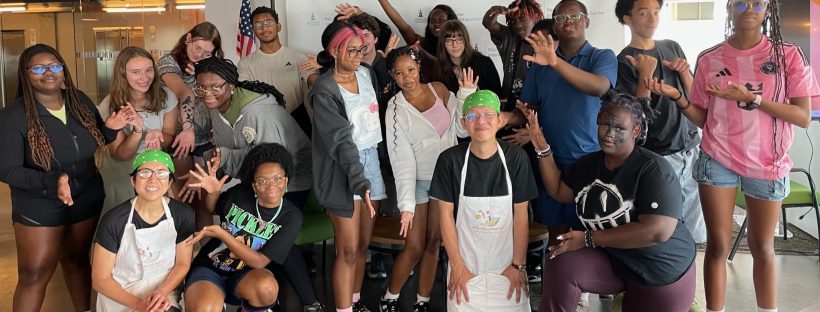
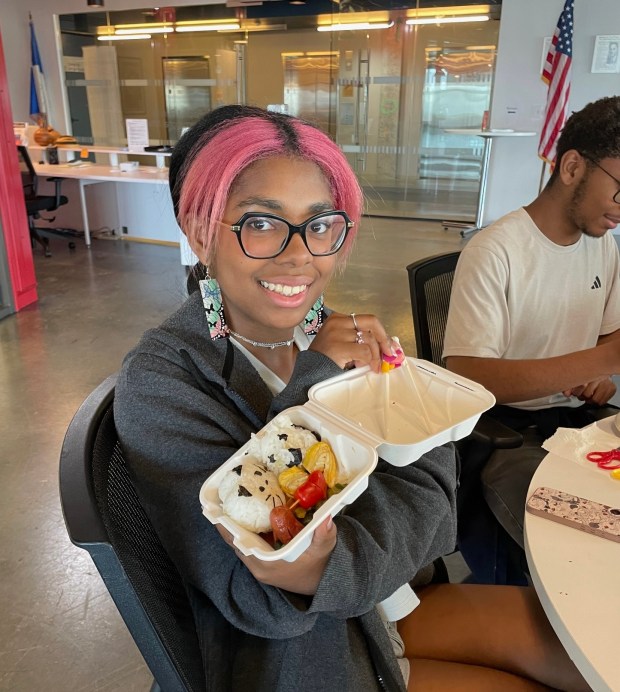
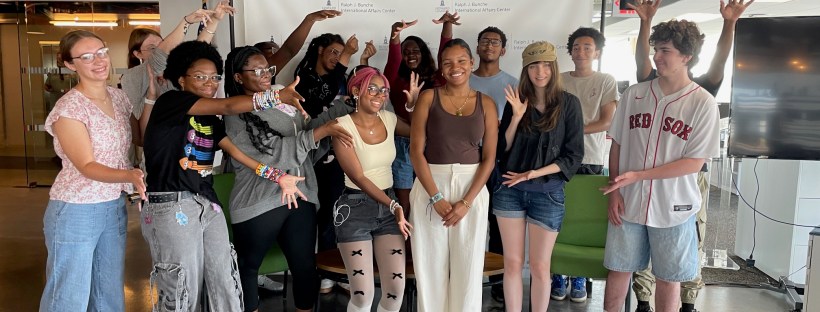
Recently, on the second day of my Japan in DC program, we had the opportunity to attend a presentation from TABLE FOR TWO USA where we learned about their work and participated in a bento box workshop. During the presentation, our guest, Miwako Felix, explained that in Japan both the presentation of food and the quality of ingredients are considered very important. Food is not only meant to taste good, but it should also be visually appealing and balanced.

One of the most interesting things I learned was the five color system used when creating a bento box. The colors are red, white, yellow, black, and green, and each color represents different types of foods and nutrients. For example, yellow foods can include eggs or yellow peppers. By including foods from each color group, a bento box becomes more nutritious, colorful, and enjoyable to eat. Before this workshop, I never really thought about how much effort goes into planning a balanced meal. I usually focused on whether food tasted good, but this experience showed me that nutrition and presentation are important too. I learned that adding a variety of colors to a meal is an easy way to make sure you are getting different nutrients. Seeing how much care is put into bento boxes helped me appreciate the connection between healthy eating, creativity, and mindfulness. This experience taught me how thoughtful meal planning can make healthy eating both fun and appealing.


Gabrielle Headly

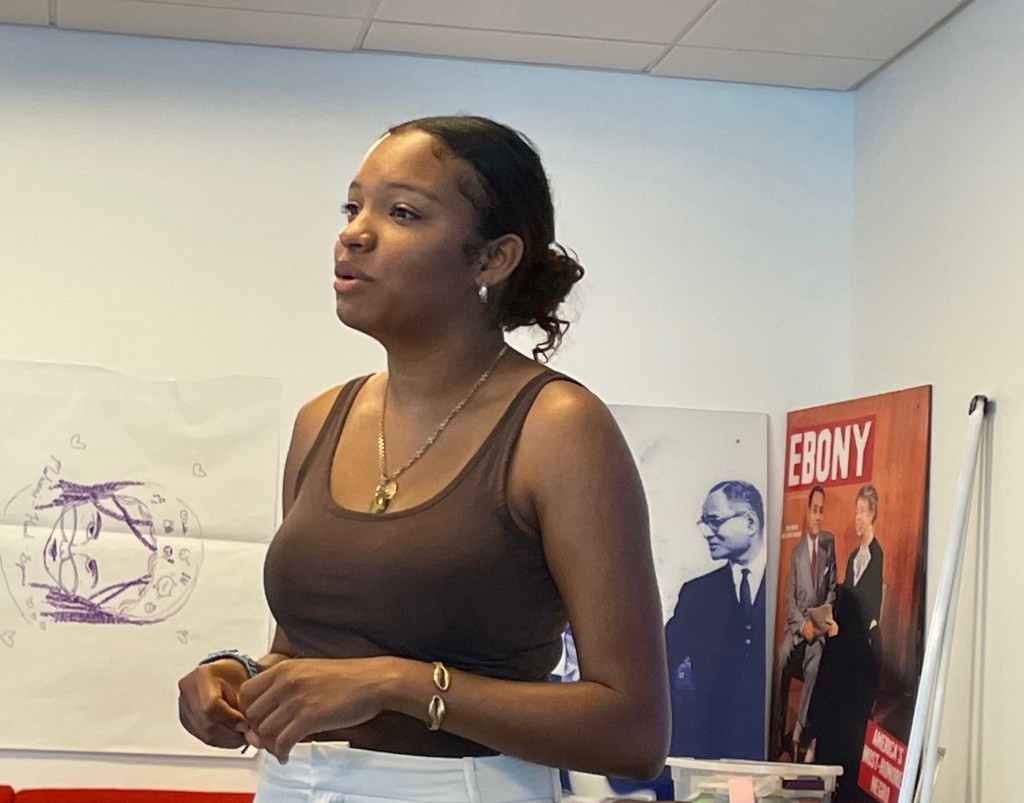
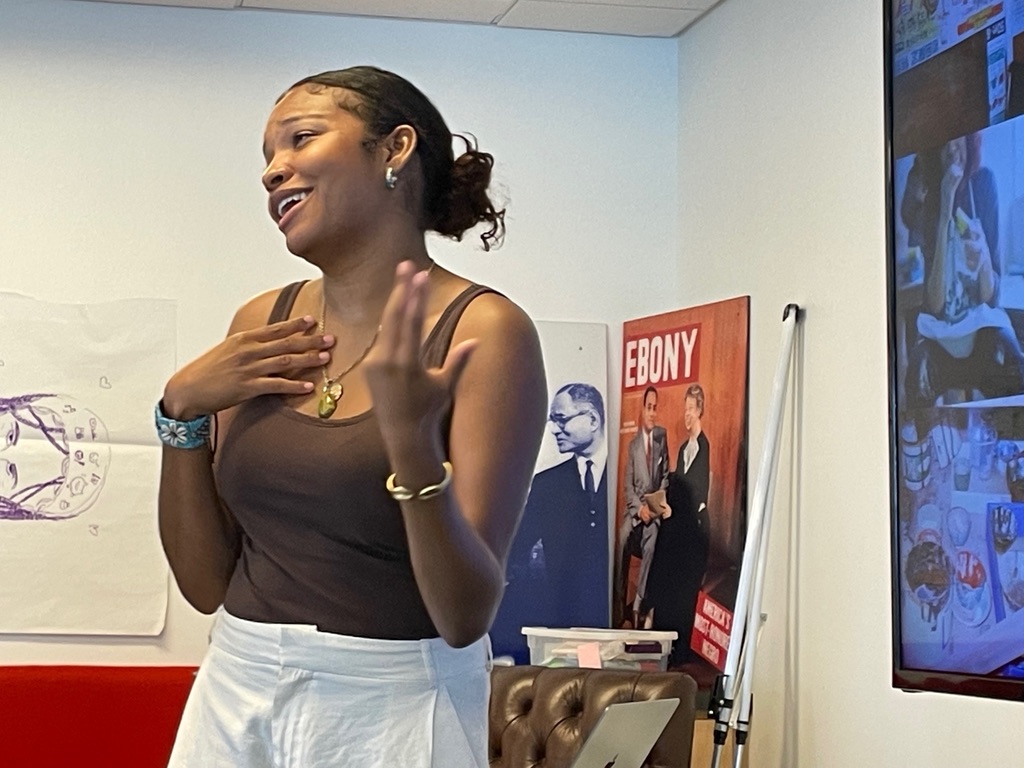
Note from the Program Director: It was the morning of July 1 at Howard University’s Ralph Bunche International Affairs Center. Gabrielle Headly, Exhibition Coordinator at the Embassy of Japan’s JICC (Japan Information and Culture Center), was our first guest presenter of the summer 2026 Japan in DC Program. She was the perfect choice – informative, engaging, personal, and open. Our students found much to relate to and be inspired by in her life story – from her visit to Okinawa as a child, to her time at Howard University and study abroad, her experience as a JET in Japan, her interest and training in the arts, and her current work at the Embassy of the Japan. She introduced the concept of “thinking globally” and the benefits of international travel and exchange – important messages as we kick off the summer program. Our students had a lot to reflect on. They were excited to see Gabby again the following week when we visited the JICC.

Madisen:
Gabrielle’s exposure to Japan began during her childhood watching animes on television. From then on she began studying Japanese on her own because her school did not offer Japanese. When she visited Okinawa in 2015, she fell in love with the culture and close knit communities the residents had. Therefore, she studied abroad in Osaka in 2017 and was able to experience how Japan sees the Western world, and explore more of Japan. She then went to apply for the JET program and stayed in a mountain valley to continue pottery and teach English. She quit the program to live there for an additional 1 year but eventually moved back to America where she talks about Japan and exposes Americans to Japan through the Japan Information and Culture Center (JICC) and the Embassy of Japan. What stuck out to me was how she described how Japanese natives viewed Americans. Gabrielle expressed great frustration in having to argue against stereotypes of Americans, as well as comment about her naturally curly hair.

Christian:
Gabby really pointed out the idea of exchanging cultures and ideas to expand/build new and better ones. Also she spoke about the Black experience/Identity that she found in Japan along with the American one. I also got a great sense of possible people who are interested in East Asia and Black!


Demetris:
I learned mainly that Ms. Gabby’s love of Japanese culture was because it was different from her culture and of course because of anime. Her time in Japan in the JET program was in a small village and she ended up meeting a lot of people because of that. Something that I learned but kind of knew was the problem with black people’s hair and the misunderstanding about where black people come from, since it is shown that blacks are expected to be from Africa or the USA, not expecting them to be from Europe or South America too. Afro hair/fluffy is seen as really messy.

Jaylen:
I learned that making your interests known, and being outgoing can result in some things that benefit you for the better. The most interesting thing I learned was that Japan is so long that it can go from a cold place to a nice warm tropical beachy area. Something that stuck out to me was that African Americans in Japan can appear very alien, and curly hair is seen as unkempt or messy, and people had no idea that curly hair could be natural. Life lesson: This presentation showed me how taking risks, and putting yourself out there can be very rewarding.

Blessing:
The thing that struck me about what she said was that she had a safe feeling in Japan more than when she was in the US. The Japan Exchange Teaching (JET) Program seems very interesting and important for someone who would like to live in Japan, that would prepare them and at the same time help people. I like the way the program put her in a good place where she got to learn something about art in Japan. And I like the way people out their changed her view of life with people like how to make people feel when you are with them.

Zaevior:
Some things that really stuck with me during the presentation was the JET Program. It’s something that I may be interested in after I finish college. From this presentation, I learned that some areas of Japan, “bens” like Osaka, have accents or that change how some words are said. The most interesting part of the presentation to me was her display of the Yokai exhibit that will be coming to the JICC.

Aston:
The experience that she shared that stuck out to me the most was her stay at the military base in Okinawa, since it was a piece of America that was planted in Okinawa that had retained the American culture. Another experience that interested me was her time studying in Osaka where she was able to study art and film and then compare the Japanese culture of art and film to the rest of the world.

Morgan:
From Gabrielle’s presentation, I learned more about the worldview of Japan. They are very welcoming, as shown from the elders that “adopted” her and welcomed her into their pottery studio, but they also have a limited understanding of Black people. They believe that all black people are either from Africa or America, and that hair like ours is seen as messy, or can only be achieved through a perming process. I’ve also learned about potential opportunities that could take me to Japan after college, like the JET program, and that would allow me to teach others while also exploring the country.

Kamaya:
I’ve learned more about the JET Program and more about her life. I’m more interested in it cause I’ve always wanted to live there. Her experience there was unique and priceless and I wanna have the same experience. I have visited but that’s different from living there. What stuck out to me was that there was a ceramics place that basically adopted her. Her whole story is interesting overall.

Pippa:
I knew about the JET program but I didn’t know there were other types of jobs than just language teaching. I learned that Japan has unique communities like art villages and counter-culture groups that even foreigners can connect with. I learned that you can have a Japan-related job without living there.

Liam:
Okinawa is an island in Japan, but it has its own distinct culture and people. I thought it was just part of Japan, like any other city. Japan is much more diverse than I thought, and were very welcoming based on Gabrielle’s story. I’m very interested in that Japanese architecture exhibit.