A Visit from Gabrielle Headly

By Pippa Byron

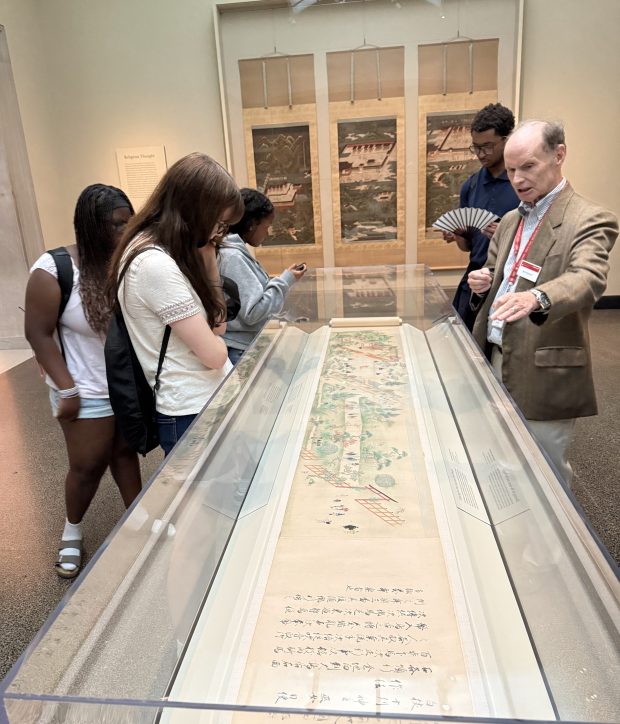
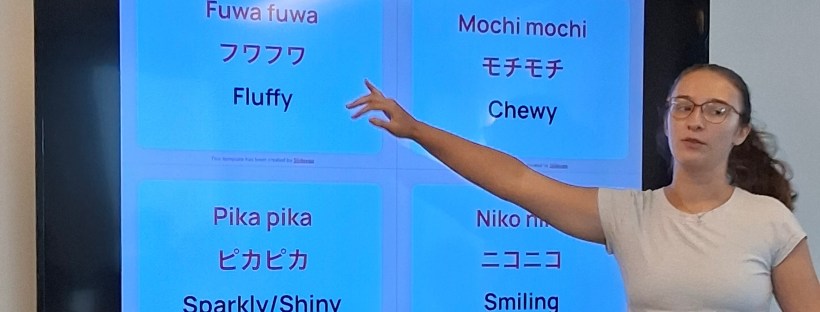
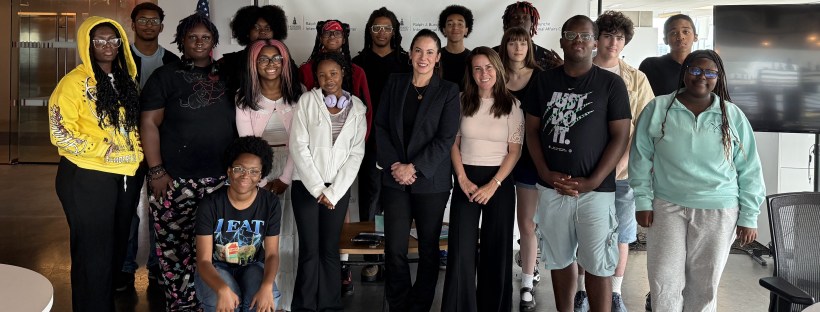
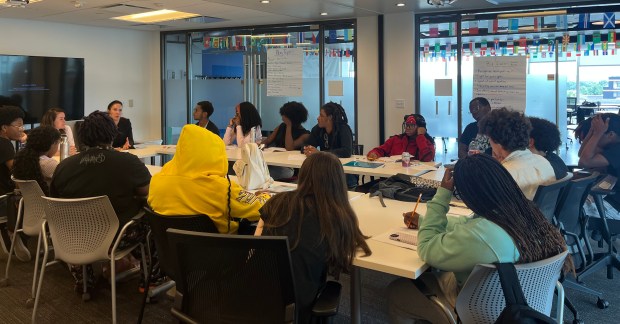
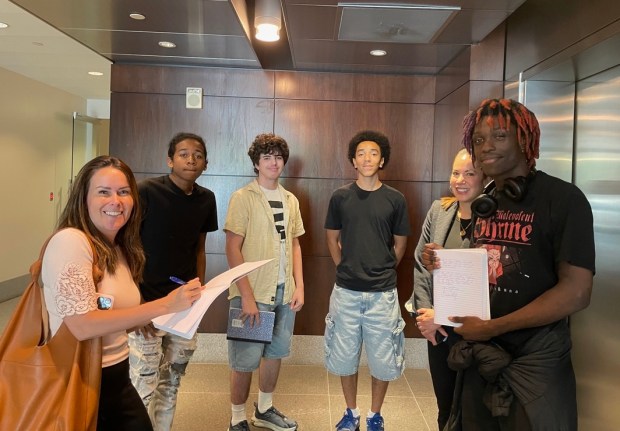
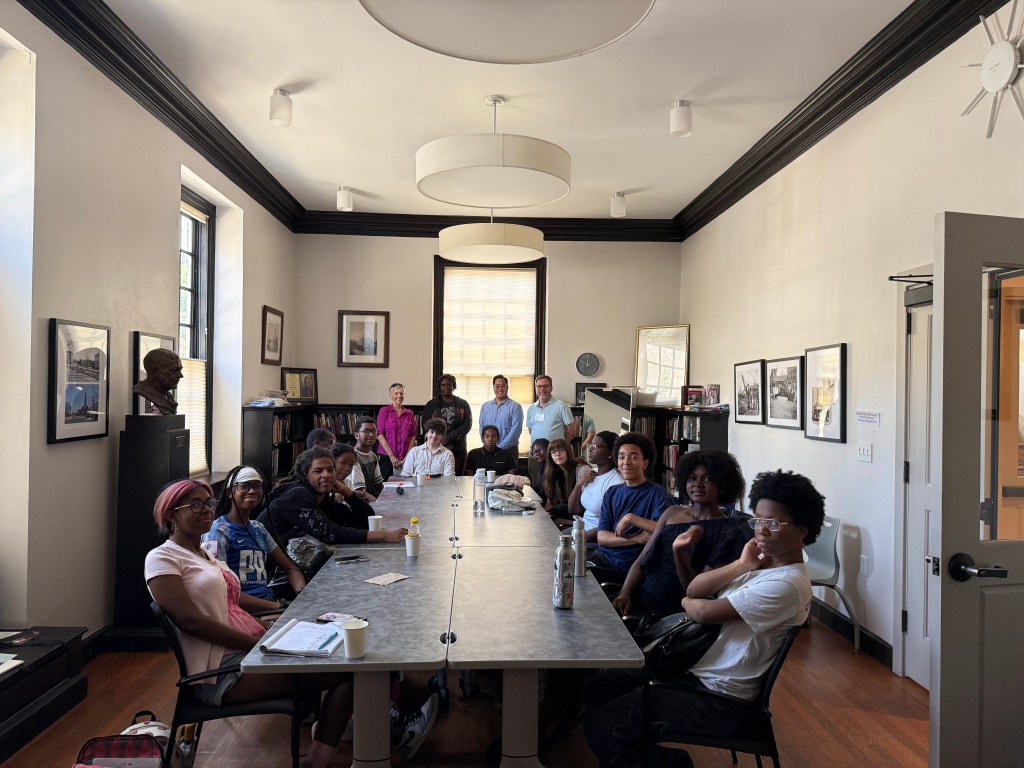
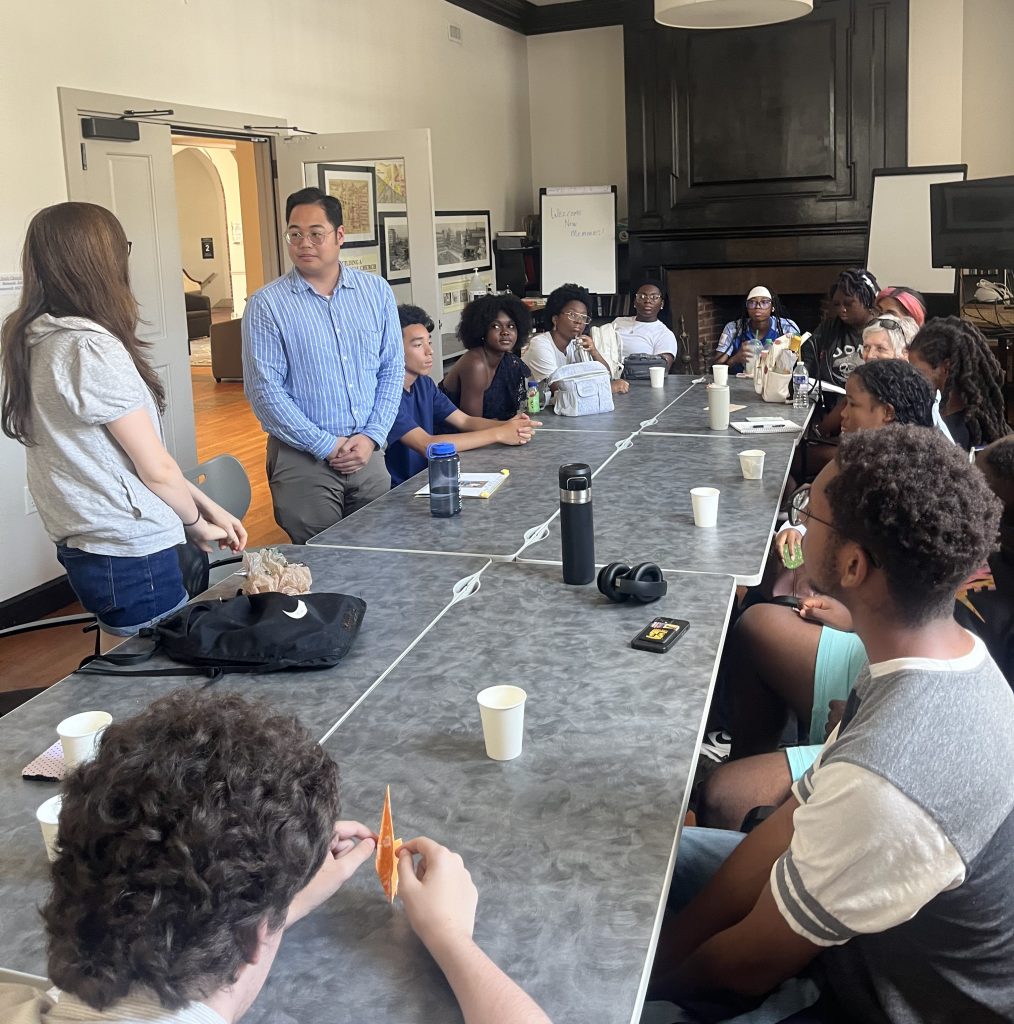
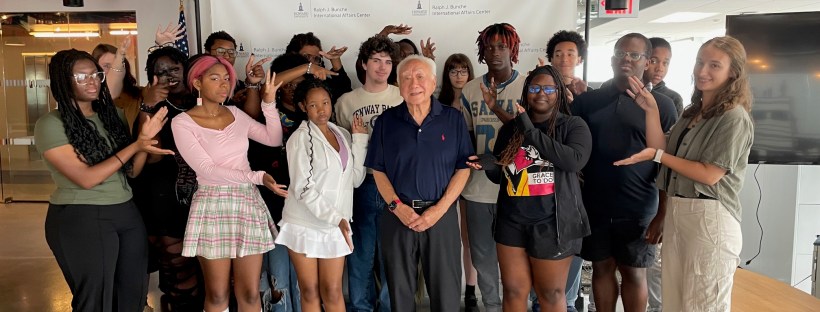
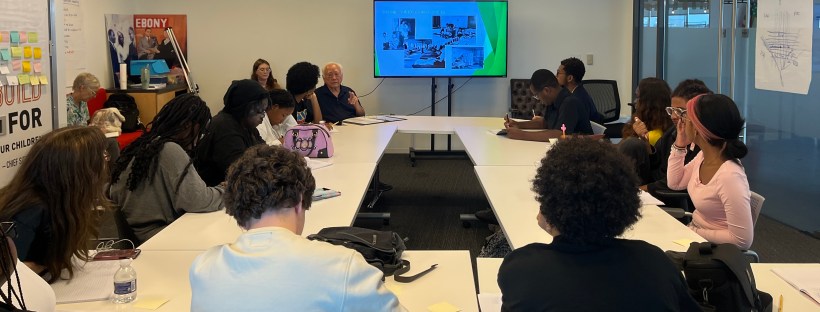
Last week, Gabrielle Headly, an employee at the Japanese Embassy’s Japan Information and Culture Center (JICC), came to visit us and talk about her experience with studying Japanese culture, studying abroad in Japan, as well as her life’s career path and how Japan has influenced it. Gabrielle’s story ended up being really interesting to me because not only did she go to Japan, she intertwined it in her life and learned many skills and lessons during her time there.

Gabrielle started by explaining how she was first introduced to Japan through its pop culture. She said that as someone of Caribbean descent, she could feel that Japanese culture was very different to her own, which intrigued her. This led her to self-study Japanese for a while. Later, as a high school graduation present, Gabrielle went to Okinawa, Japan, where her uncle worked on an American military base. This trip was a great experience for her, and she decided to continue pursuing her love for Japanese through minoring in Japanese in college. 

In her Junior year of college, Gabrielle spent a semester studying abroad in Osaka, Japan. She said Osaka was a very fun city to live in and the university she went to, Kansai Gaidai University, was a great place for cultural exchange, being an international school. After spending this extended period of time in Japan, she realized she wanted to live there. She greatly appreciated the sense of safety she felt in Japan and the vibrancy of the culture.

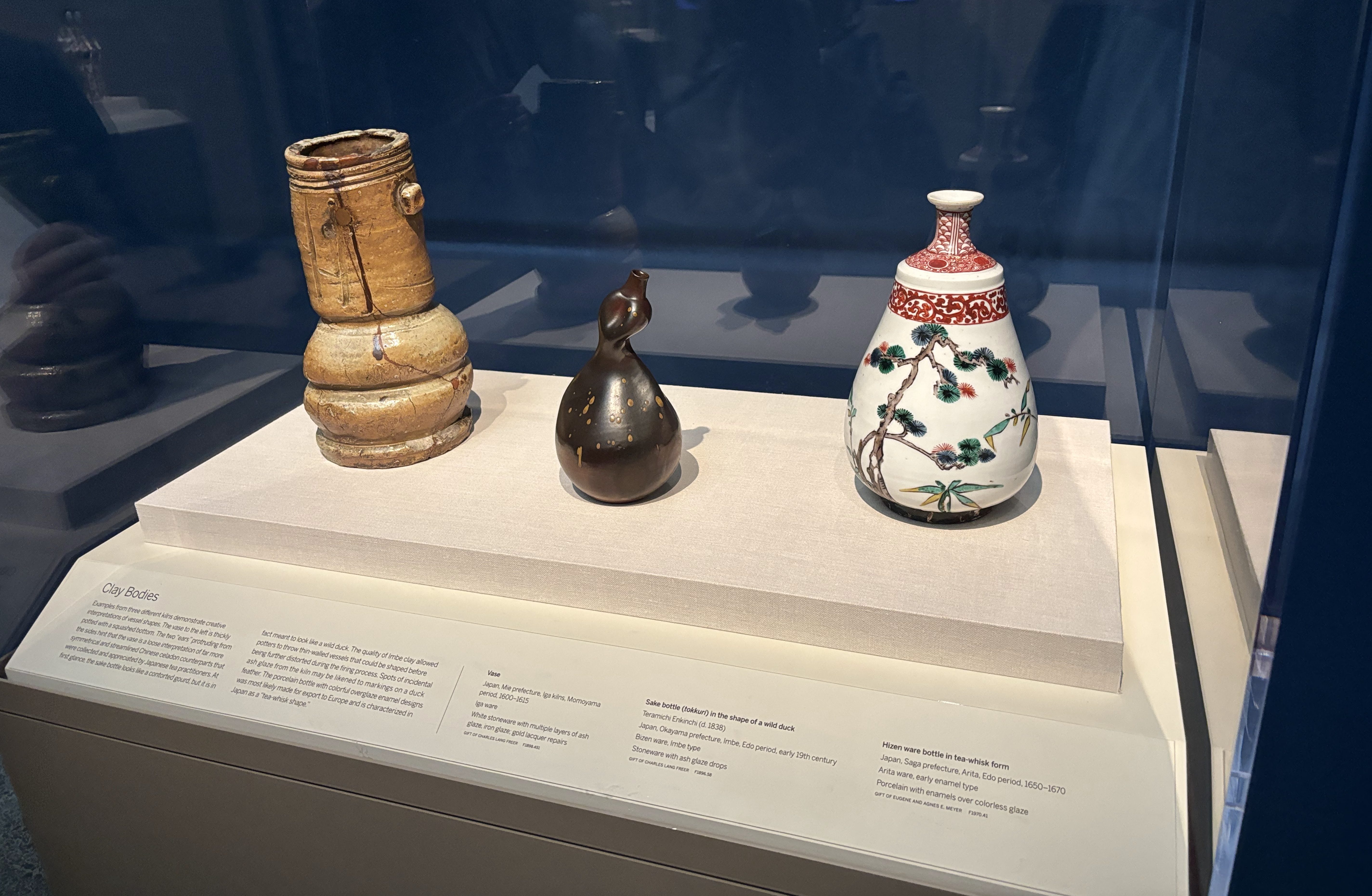
To pursue her dream of living in Japan, after graduation, Gabrielle decided to apply to the JET program — a program that connects Americans to English teaching jobs in Japan and arranges their stay there. Gabrielle was accepted, and was sent to a small town in Oita prefecture. Upon her arrival there, she was surprised to find out that the town was largely art-focused, and that most of the people and establishments there were related to different art forms. Gabrielle had previously mentioned to us that pottery was one of her biggest interests even back in the U.S., and she had done a lot of work and classes related to pottery. So, along with her teaching work, she was “adopted” into a ceramics store, where she did pottery and was introduced to the Japanese art of Kintsugi, which is a technique that uses gold to fix broken pottery. Along with becoming invested in her community, she also got to travel a lot and see different areas of Japan.

Later on, she decided to end her teaching contract with JET and continue to live in Japan on her own. She moved to Fukuoka, a larger city, where she studied pottery and got officially certified in Kintsugi. Here, she met a lot of interesting people with unique interests such as punk music, and made lots of great friends. Gabrielle told us that she had had a bit of trouble in Japan regarding her hair, as people in Japan often didn’t know about black hair and assumed she had gotten a perm or that her hair was messy. However in Fukuoka, she happened to meet and become friends with a hairdresser who was interested in learning how to work with black hair, which became mutually beneficial for both of them. Meeting so many people she connected with on a deep level was one of the best experiences Gabrielle had in Japan, and she is still friends with them to this day.

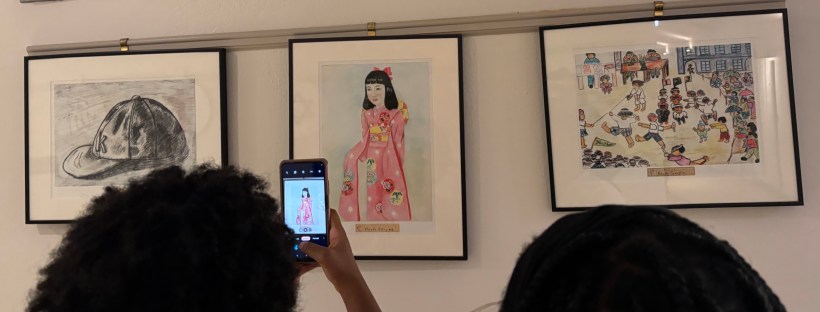
In 2023, Gabrielle decided to move back to the U.S. She found out about a job opening at the Japan Information and Culture Center involving their exhibitions. She realized this would be a great position for her, as she loved the idea of being able to teach others about Japanese culture. She eventually became the exhibition coordinator at JICC, and she’s able to put both her creativity and her knowledge of Japan into her work. She even has an upcoming exhibition about Yōkai, which are supernatural entities in Japanese folklore, and we’ll have the opportunity to see it soon!

To me, Gabrielle’s story was extremely inspiring for a few different reasons. To begin with, I thought it was amazing how Gabrielle took Japanese, which was just a hobby at the beginning, and turned it into a lifelong journey of experiences and career opportunities. I am still having trouble figuring out exactly what I want to do in the future, and seeing that it’s possible to find a job that connects so strongly to your interests was really enlightening to me.

Also, I really enjoyed hearing about her experience connecting with different communities throughout Japan and finding lifelong friendships. As someone who also wants to go abroad in the future, I’ve heard a lot about people living in a different country than theirs who struggle to integrate socially because of vast cultural differences. But Gabrielle’s story proves that finding shared interests with others, as well as engaging in community activities and traditions, can foster a sense of belonging and build new friendships no matter how different a place’s culture is. Moreover, I thought that it was great that even though Gabrielle was away from the U.S., she was able to continue pottery, a hobby that she loved, and study Japanese styles of pottery, an experience that she wouldn’t have gotten in the U.S.

Lastly, I liked that Gabrielle had tried a lot of different things before settling down in her current occupation, like teaching and moving to different places. I think that it’s often good for people to experience and try a lot of different things in life before settling down, instead of just going down a straight line to one job or living situation, and I also hope to try a lot of things just like Gabrielle. Gabrielle’s current position also highlights one of the benefits of living in D.C. As the capital of the U.S. where all the embassies are, there are a lot of opportunities related to world cultures and diplomacy. As someone who’s really interested in both, it made me realize that I should take as much advantage of living here as I can. 

Altogether, it was an inspiring story of following one’s passion, and I think all of us learned a lot from it, and I’m excited to visit Gabrielle at the Embassy of Japan and learn more about her work!

From Presentation to Nutrition: What I Learned

By Malia Butler

Onigiri is a handheld snack made from steamed rice, typically formed into a triangle ball or a shape of choice and often wrapped in nori (seaweed). A bento box is a single-portion meal, either homemade or store bought, packed into a container portioned off. Onigiri and bento boxes are well known in Japan. When I made bento boxes and onigiri for the first time, I learned that presentation is key. In Japan before people eat, you have to appreciate the presentation of your food, by looking at the decorations and the thought put into it. “Before eating you have to eat with your eyes,” which is what Ms. Miwako Felix said from the “Table for Two” organization. Another thing that I learned is before eating a meal you have to say “itadakimasu,” and after a meal you have to say “gochi sou sama deshite.” The reason they do this is to show appreciation to farmers, vendors, and cooks.

Something that I learned that affected me personally is that when making bento boxes they focus on nutrition. When making bento boxes, every meal has to be balanced, so in order to do that they use the 3:2:1 ratio. For the 3 part, this is used as a base. People often use it for steamed rice. For the 2 part, this is used as a main dish, usually meant for a various amount of protein. For the 1 part, this is used for a side, often used for different types of vegetables. Both the 2 and 1 part of the ratio can help with keeping someone energized throughout the day, because each have a specific amount that can keep you energized. Based on this experience, I learned how to make a balanced meal. This can help me on my daily life, because as an athlete it can help me to have energy for sports.


Table For Two

By Kamaya Caldwell

TABLE FOR TWO USA is a nonprofit organization that focuses on promoting healthy eating while also helping provide school meals to children in need around the world. The organization partners with several groups and companies on its annual fall ONIGIRI ACTION campaign to support its mission of reducing hunger and encouraging healthier lifestyles.

Recently, on the second day of my Japan in DC program, we had the opportunity to attend a presentation from TABLE FOR TWO USA where we learned about their work and participated in a bento box workshop. During the presentation, our guest, Miwako Felix, explained that in Japan both the presentation of food and the quality of ingredients are considered very important. Food is not only meant to taste good, but it should also be visually appealing and balanced.

One of the most interesting things I learned was the five color system used when creating a bento box. The colors are red, white, yellow, black, and green, and each color represents different types of foods and nutrients. For example, yellow foods can include eggs or yellow peppers. By including foods from each color group, a bento box becomes more nutritious, colorful, and enjoyable to eat. Before this workshop, I never really thought about how much effort goes into planning a balanced meal. I usually focused on whether food tasted good, but this experience showed me that nutrition and presentation are important too. I learned that adding a variety of colors to a meal is an easy way to make sure you are getting different nutrients. Seeing how much care is put into bento boxes helped me appreciate the connection between healthy eating, creativity, and mindfulness. This experience taught me how thoughtful meal planning can make healthy eating both fun and appealing.

Turning Dreams Into Reality


By Demetris Jefferson

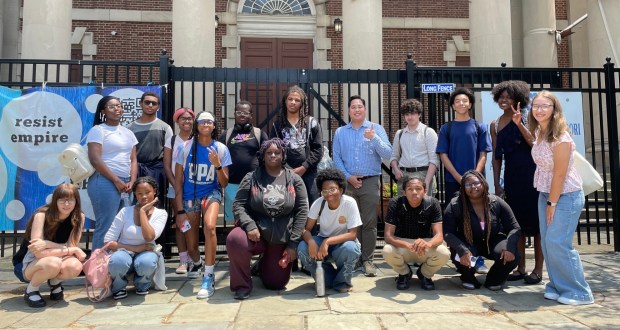
On July 1st, during my scheduled Japan in DC program time, I had the pleasure of hearing Gabrielle Headly’s presentation and her stories about working and traveling in Japan. She talked about her time in the JET Program and her experience of working in a small village focused on pottery. She talked about kintsugi, the art of repairing pottery with gold lacquer. Ms. Gabrielle talked about her passion for ceramics and pottery, so it was cool to see how she was able to continue working towards that passion, while also working as a JET.

From that one interaction I have learned so much more about Japan and the way that you can take your dream and go so far in life. This talk made me also think about my own dreams about learning what Japan really is, and how my life can be benefited off of my love for learning what the world has to offer, not for what it is but what it can be. I learned that life is more of what you can make of it and that it is a lot about choices and chances, and so I choose both.

Now Accepting Summer Japan in DC Student Applications

We are very excited to announce that we are now inviting student applications for this summer’s JAPAN IN DC Program. This free six-week program, funded through a generous grant from the United States-Japan Foundation, is open to DC public high school students (both DCPS and charter), who will be selected through a citywide application process. As in the past, JAPAN IN DC will be offered as part of the Marion Barry Summer Youth Employment Program (MBSYEP), which allows registered students to earn summer pay for participation. Students not registered in MBYSEP are also eligible to apply, but they will not receive summer pay.

About the 2026 JAPAN IN DC Summer Program:

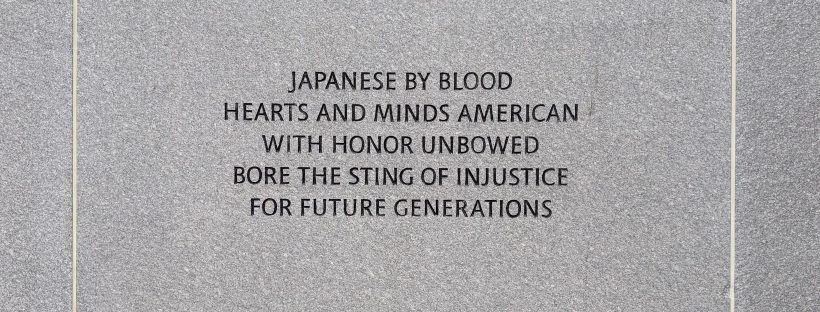
Over six weeks this summer (June 29-August 7, 2026), students will move around the city to explore and experience a wide variety of people, places, organizations, businesses, government agencies, and cultural institutions with connections to Japan. This is a really fun and life-transforming program – with a lot of exposure to Japan-related college and career opportunities. Students will document their experiences through writing, photography, video, social media, and other creative expression, and will develop and lead their own “Japan in DC” tours. This summer’s program will have a special focus on the World War II era and the US-Japan relationship. We encourage you to explore this website at www.japaneseplus.org to get a better feel for our Japan programs.

Application Information:

Click below for more program details and to submit an application. We plan to accept up to twenty (20) students from across the city. Our priority deadline is April 21; after that, applications will still be accepted until all seats are filled. Applications will be reviewed as they are received, so don’t delay.

Contact sally@globalizedc.org if you have any questions about the program or the application process.


As always, please help us share news of this free summer opportunity so that it reaches interested DC public school students in schools across the city. Thank you.

Now Recruiting PT Staff for our Summer Japan in DC Program

Globalize DC is currently seeking two dynamic part-time Co-Teachers to lead this summer’s JAPAN IN DC Program, which will serve up to 20 DC public high school students from across the city. JAPAN IN DC will again be offered as part of the Marion Barry Summer Youth Employment Program (MBSYEP), running June 29-August 7, 2026. Ideal candidates would be secondary teachers (especially social studies), international education professionals, JET alumni, graduate students, or others with relevant experience. High energy, dedication to high school student learning, and basic knowledge of DC geography a must.

About the JAPAN IN DC Program: 
Over six weeks, students will move around the city to explore and experience a wide variety of people, places, organizations, businesses, government agencies, and cultural institutions in DC with connections to Japan. This is a really fun program – and for many students, life-transforming. Students will document their experiences through writing, photography, and other creative expression. In 2026 we will have a special focus on the World War II era (including investigation of Japanese American incarceration, Japanese American veterans, the atomic bombing of Hiroshima and Nagasaki, and other themes and legacies of these wartime events), as well as the nature and history of the US-Japan relationship. Students will be developing content for our website and creating their own JAPAN IN DC tours. Check the Japan in DC program webpage for background information and updates.

SPECIAL NOTE: We are excited that this year Globalize DC will be developing a social studies curriculum for DC high school classrooms, based on this JAPAN IN DC program. This is a project that any selected Co-Teacher (as well as other local teachers) may wish to be participate in – during the summer or in SY2026-27.

To Apply:
Review the posted job announcement at the link below. If you are interested, please send an email to Sally Schwartz at sally@globalizedc.org with your statement of interest in this position, and your updated resume. We will review applications as received. Our goal is to fill these two positions by the end of April. Any questions, contact Sally at the email address above. For more information about our Japan work, we invite you to explore this Globalize DC:Japan website.


Please help share us this opportunity with others who may have an interest.

Now recruiting HS students and staff for this summer’s Japan in DC Program!

Globalize DC is very happy to once again be able to offer our Japan in DC program in summer 2023, thanks to continued support from the United States-Japan Foundation. We are currently in the process of recruiting up to 20 super interested DC public high school students and two Program Leaders to make this exciting program a reality. Our goal is to complete our selections by the end of this month. Please read on and share!

About the JAPAN IN DC Program: Over six weeks (June 26-August 4), students will move around the city to explore and experience a wide variety of people, places, organizations, businesses, government agencies, and cultural institutions in DC with connections to Japan. This is a really fun program – and life-transforming. Students will document their experiences through writing, photography, and other creative expression. This free program will be offered in partnership with the Marion Barry Summer Youth Employment Program (MBSYEP), which allows registered students to earn summer pay for participation. The deadline for students to apply to MBSYEP has now passed.


To Apply for JAPAN IN DC: Globalize DC will select students for JAPAN IN DC through a citywide application process.  The program is open to DC public high school students (DCPS or charter). Click below for more program details and to submit an application. We plan to accept up to twenty (20) students.


Spread the word: Please help share this information with interested students and parents, as well as teachers, partners, and others who can help us spread the word to DC high school students throughout all 8 wards of the city. You can use the link to our JAPAN IN DC webpage, which will be updated with new information as it develops.

And here’s a downloadable 2023 JAPAN IN DC STUDENT FLYER.

WE ARE ALSO SEEKING TWO DYNAMIC PART-TIME STAFF MEMBERS
FOR THIS SUMMER’S JAPAN IN DC PROGRAM

We are currently recruiting two Co-Teachers to lead this summer’s JAPAN IN DC Program. Ideal candidates would be secondary teachers, international education professionals, JET alumni, graduate students, or others with relevant experience. This is a fun program, for students and adult leaders, with significant movement across the city. High energy, dedication to high school student learning, and knowledge of DC geography a must.

Anyone with questions can email sally@globalizedc.org. Thanks for helping us spread the word about this great (paid) summer opportunity for DC teens.

ISO “Japan in DC” Co-Teachers for Summer 2020 Program

Globalize DC is now recruiting staff for our summer 2020 “Japan in DC” Program. Maybe this is the experience for you!

Introduced in 2017, “Japan in DC” gives interested DC public high school students the opportunity to explore and document the presence of Japan in their own city – through its individuals, institutions, and landmarks. This fun and educational six-week program is scheduled to run Monday-Friday, June 29- August 7, 2020, 9 am – 3 pm.

We are now seeking two qualified and energetic teachers or international educators to lead this summer program. Graduate students, with appropriate experience and interests, are encouraged to apply. These are paid, part-time positions. We hope to select these individuals by the end of March.

Click here for more details and information on how to apply: 2020 Japan-in-DC-Staff-Recruitment.

Any questions? Contact sally@globalizedc.org.

ISO “Japan in DC” Co-Teachers for 2019 Program

Arboretum columns

Globalize DC is now recruiting staff for our summer 2019 “Japan in DC” Program.

Introduced in 2017, “Japan in DC” gives interested DC public high school students the opportunity to explore and document the presence of Japan in their own city – through its individuals, institutions, and landmarks. This fun and educational four-week program is scheduled to run Monday-Friday, July 1- 26, 2019, 9 am – 3 pm.

We are now seeking two qualified and energetic teachers or international educators to lead this summer program. Graduate students, with appropriate experience and interests, are encouraged to apply. These are paid, part-time positions. We hope to select these individuals by early April.

Click here for more details and information on how to apply: 2019-Japan-in-DC-Teacher-Recruitment

Any questions? Contact sally@globalizedc.org.


Blue Star of Life

By Jazmin Angel-Guzman

On Tuesday, October 31st 2017 I had the opportunity to go to the Blue Star of Life Ceremony at the Kennedy Center for the Performing Arts and met nine wonderful Japanese students. All of us DC students had the opportunity to drop pebbles inside the vase, Blue Star of Life, to symbolize peace and friendship between the United States and Japan.

It was a once in a lifetime experience for me because it was a life lesson that Sally Schwartz taught me and once said, “Life is more than being in a classroom.” It even motivated me to get out of my comfort zone and learn more about our interconnected world. As much as I was nervous of meeting university students and a high school student, it made me realize that they were also nervous and they’re just like me. I wish there were more experiences like this and this has definitely taught me a lot about global citizenship.