Well now that the program is over for the year, I looked at some of the pictures from throughout the year, and reflected on the growth made. Here are some major points (portrayed as pictures) in my progress with the program.
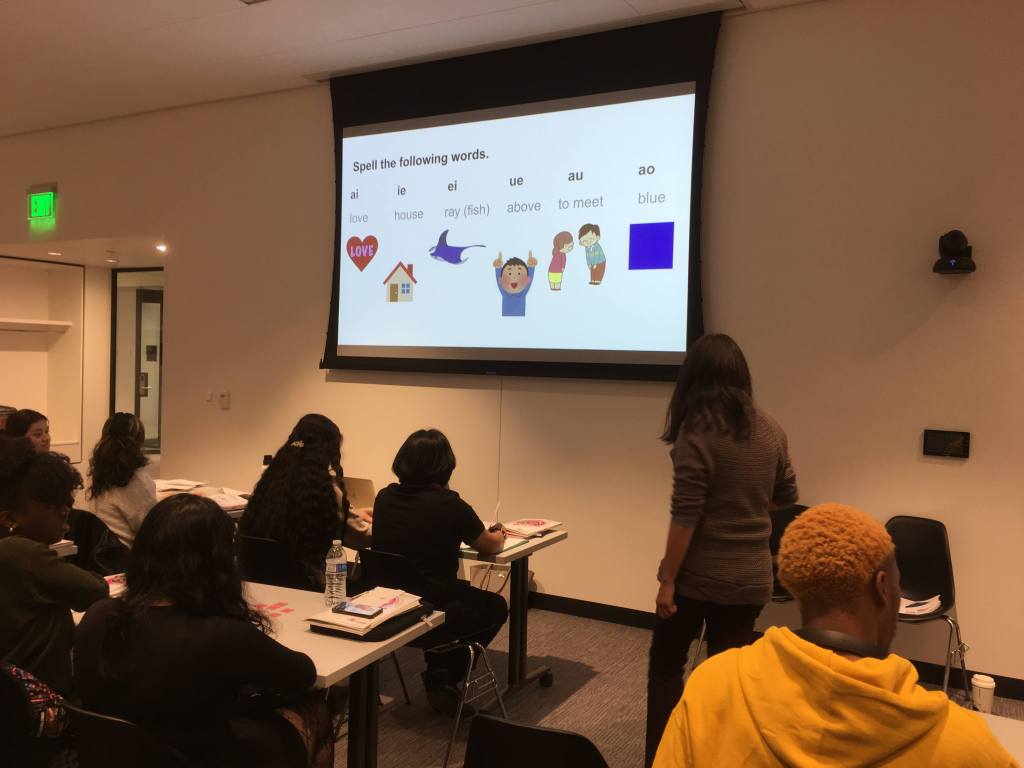
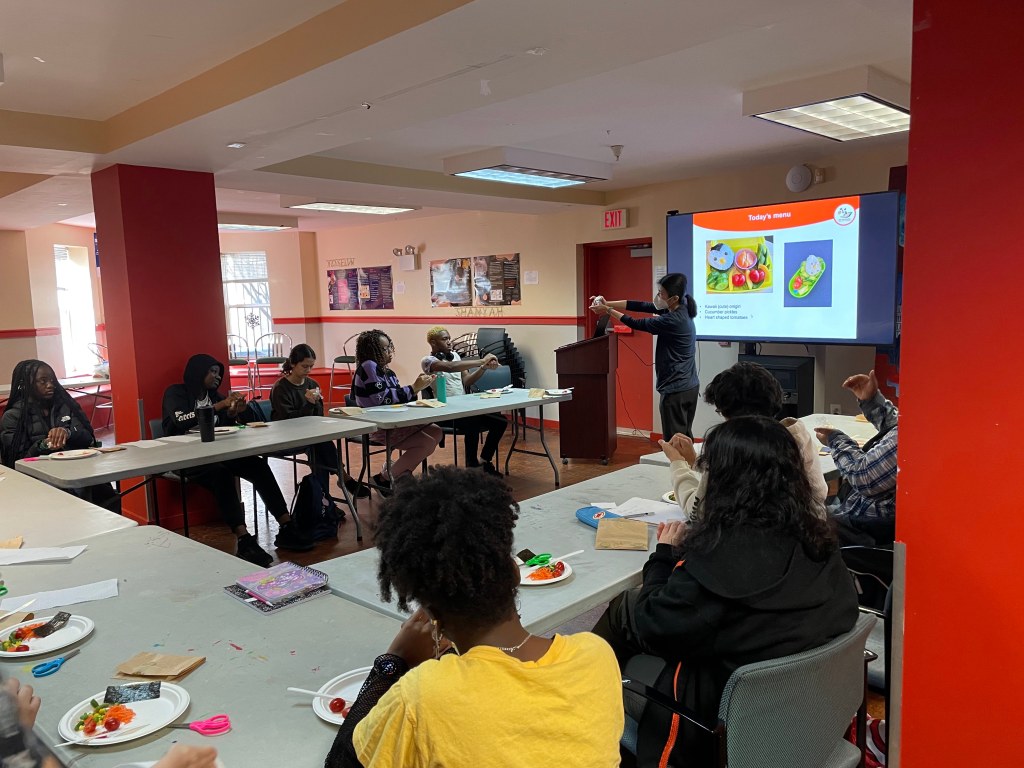
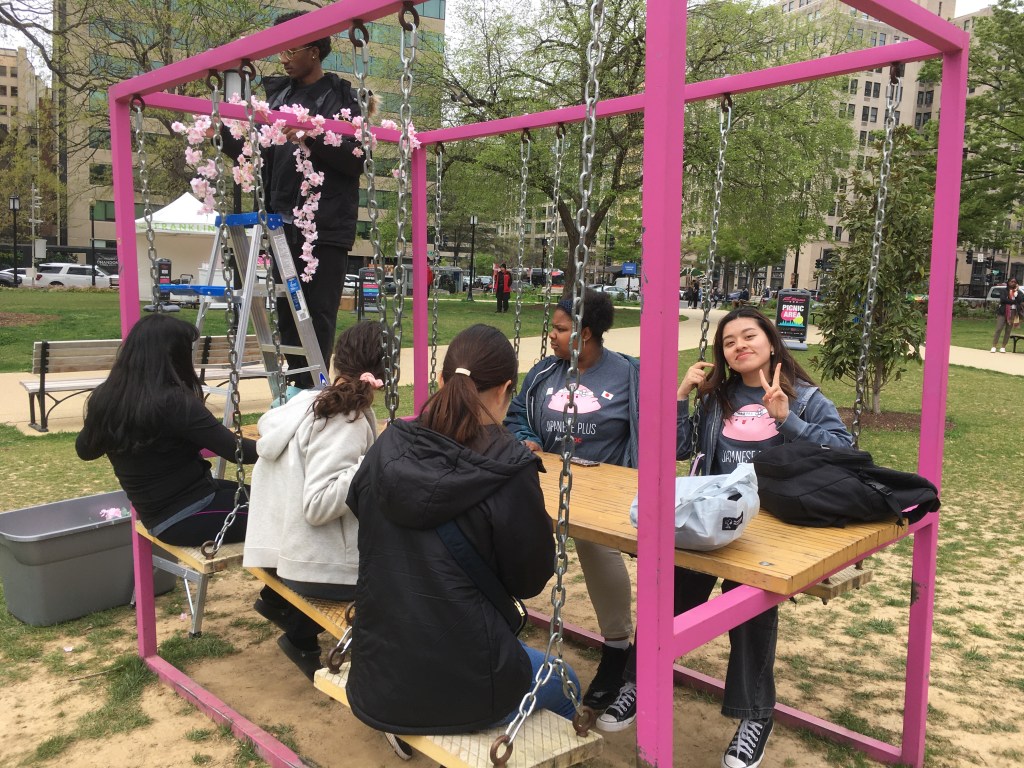
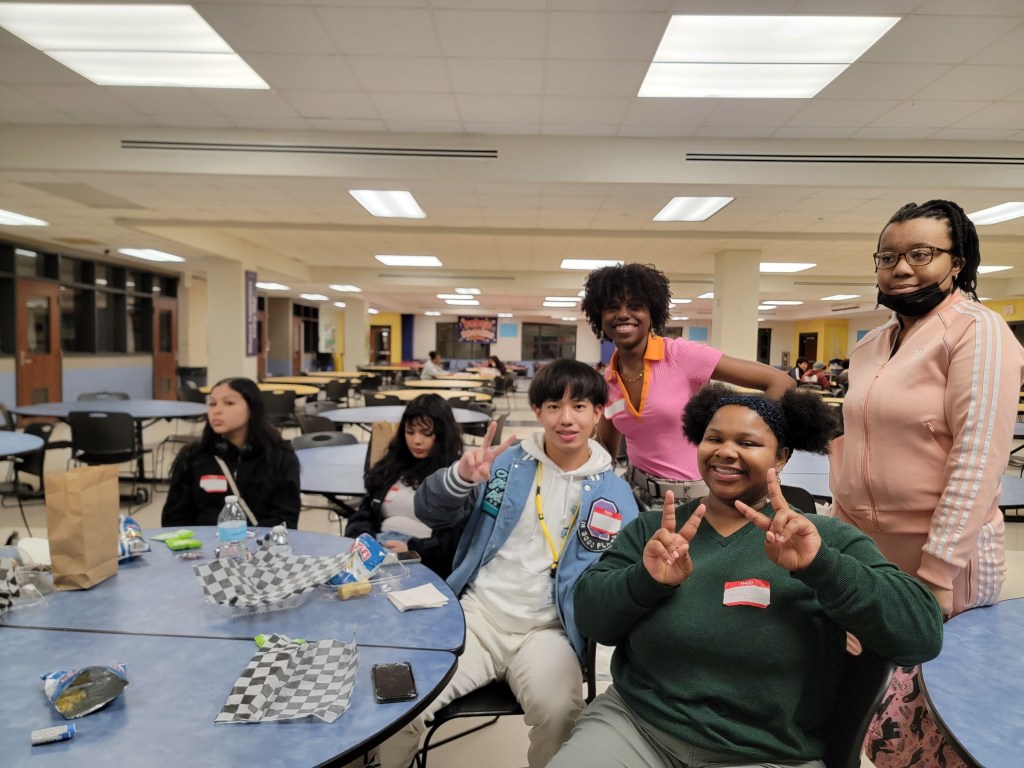
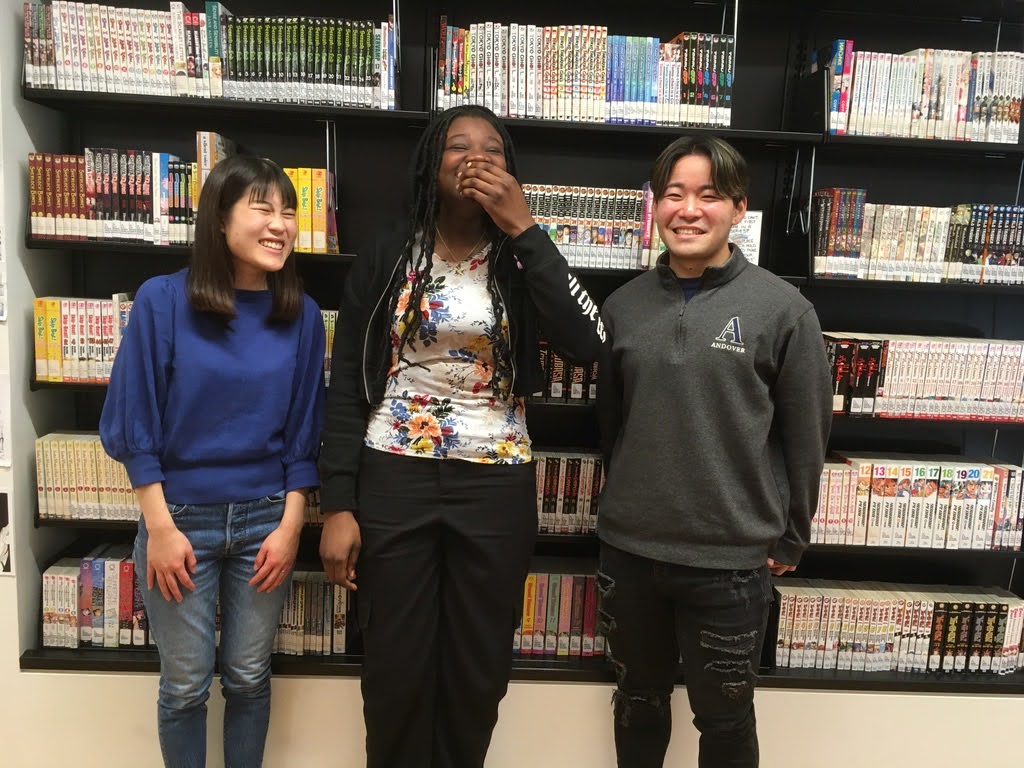
Here is a photo from the beginning of the year. I’m there in the black coat. I’m an ambivert so I’m usually very antisocial in instances where I’m in a new place. I was very antisocial and kind of against the whole program in general. Not for a specific reason, its just harder for me to get accustomed to things like the Japanese Plus program.
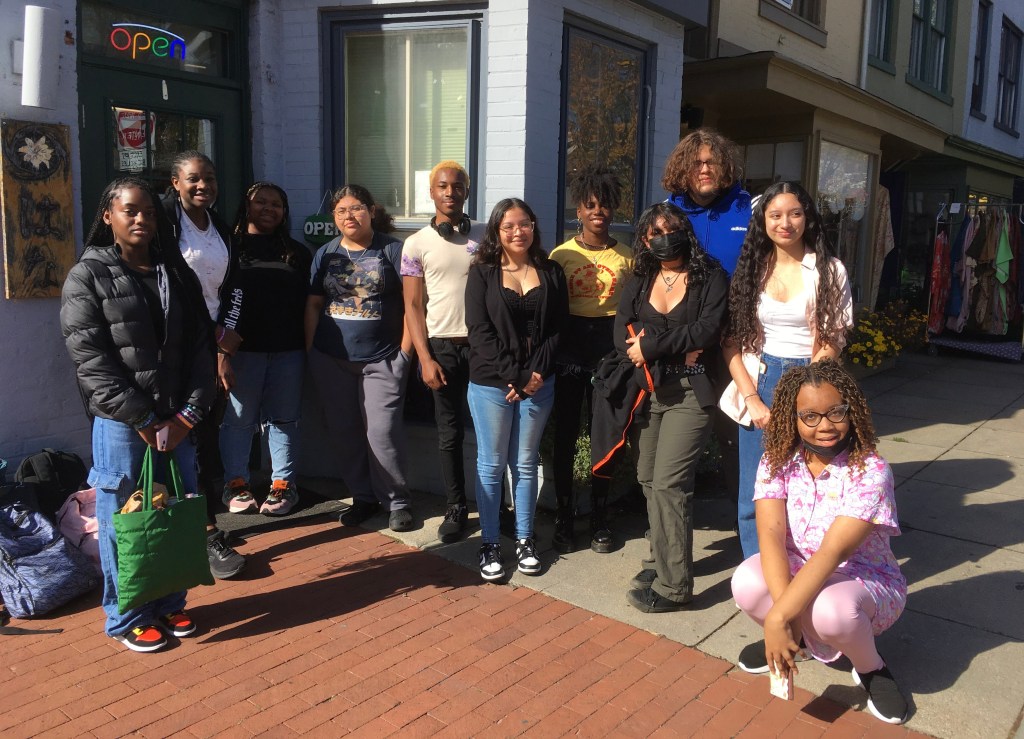
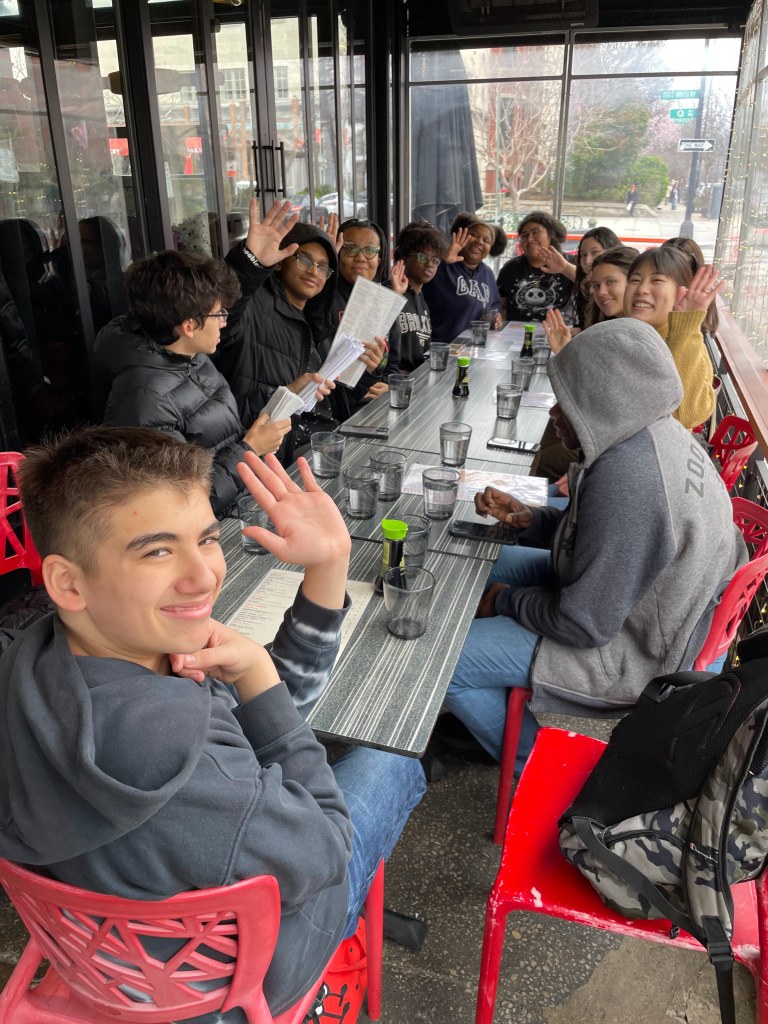
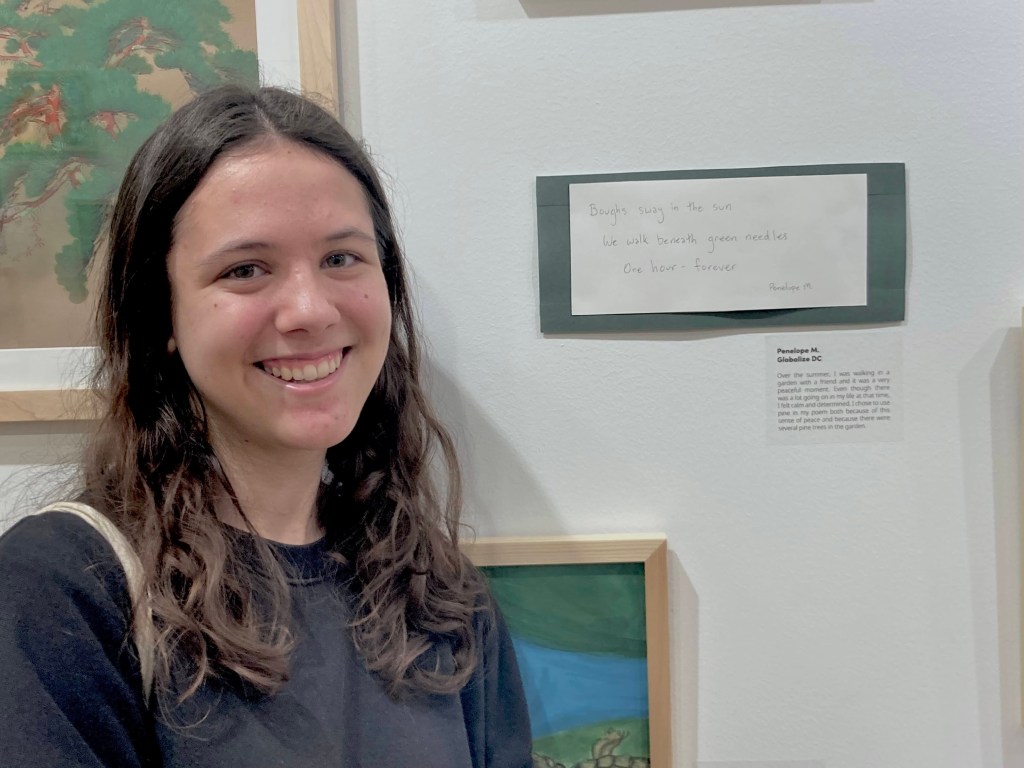
I’ll be using the JICC visit to detail my middle point in my progress with the program. I think the JICC visit was where I kind of opened up a bit more than I was used to. Especially with the haiku I submitted for their exhibit.
That haiku was very personal to me and was normally something I wouldn’t write, much less show in an exhibit. I also think I was getting more accustomed to being in contact with the other students in the program and making genuine friendships.
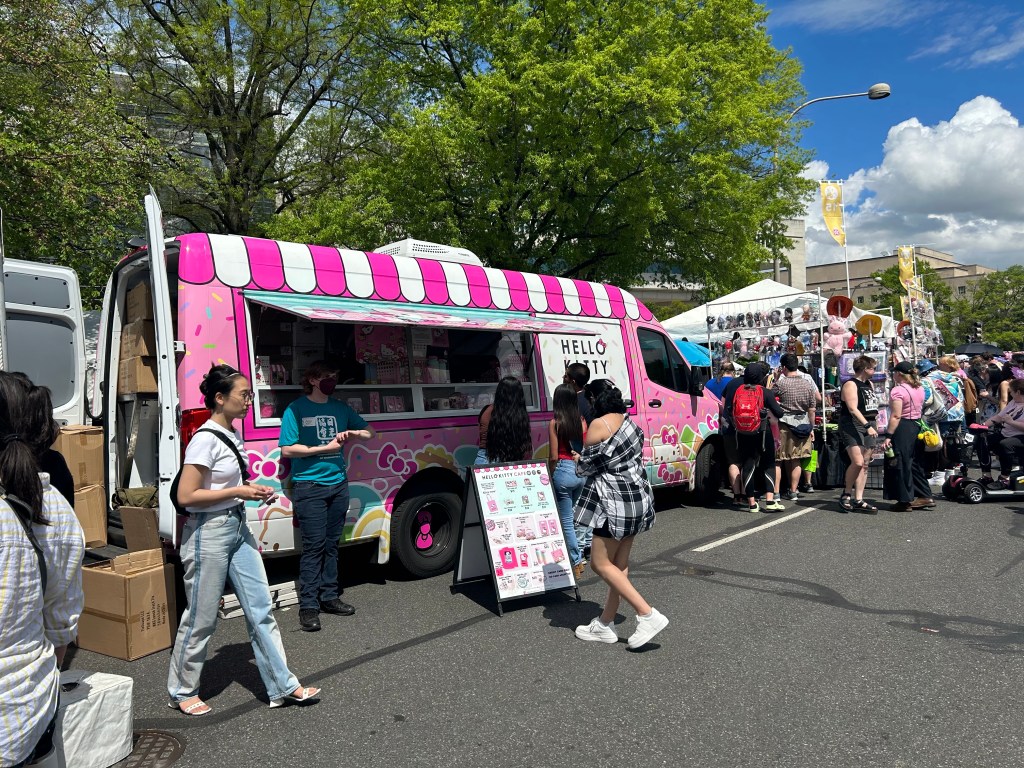
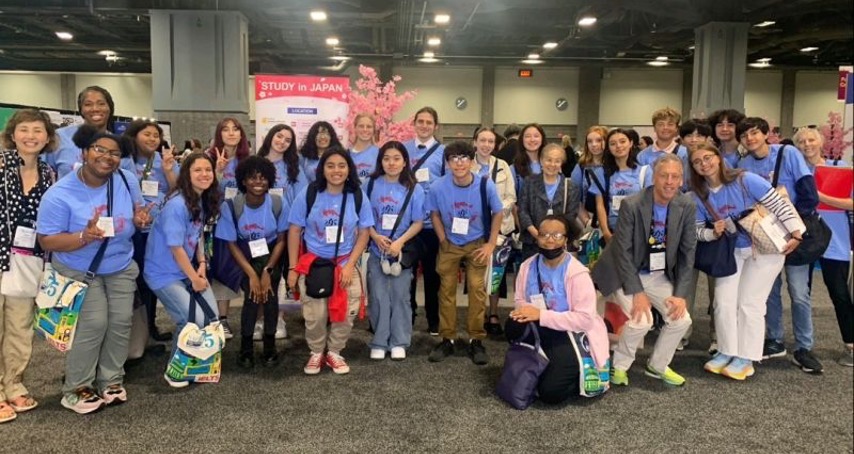
You can’t see me in this image, but the Sakura Matsuri Festival was a really big final turning point for me in the Japanese Plus program into accepting the program into my life and enjoying it. I was way out of my comfort zone being that much in a public place, but I didn’t feel anxiety, or anything being there because I was there with the Japanese Plus group. Overall, being in this program helped me a lot with being open to new experiences. I hope that all of my classmates have a great summer, and that next year will be as great as this one was.
I gladly registered in Japanese Plus when the chance to study a new language and get immersed in another culture presented itself. I had no idea that this adventure would enhance my linguistic skills while also giving me a lovely and life-changing experience. Japanese Plus provided doors to a fantastic world that I will always treasure, from the intriguing language to the rich cultural history.
Language Learning
Japanese Plus introduced me to the complexities and nuances of the Japanese language. The procedure was productive and engaging because of the qualified instructors, and interactive teaching techniques. I gradually started to understand the complexities of the language, from simple vocabulary to complex vocabulary. My ability to speak, read, and write Japanese has improved thanks to the properly designed activities, conversations with other students, and the direction of my instructors.
First Japanese Class
Cultural Immersion
The emphasis on cultural immersion was one of Japanese Plus’s most impressive features. Beyond improving my language abilities, the program gave me the chance to learn about Japanese traditions, customs, and history through a variety of cultural events, such the Japanese Street Festival, Sakura Matsuri. I have a deep appreciation for the Japanese focus on detail and how much respect is put into everything. I was able to develop a stronger bond with the culture through immersion in these events that went beyond merely learning the language.
Table for TwoRajio TaisoHana MarketCultural Exchange
Connections and Friendships
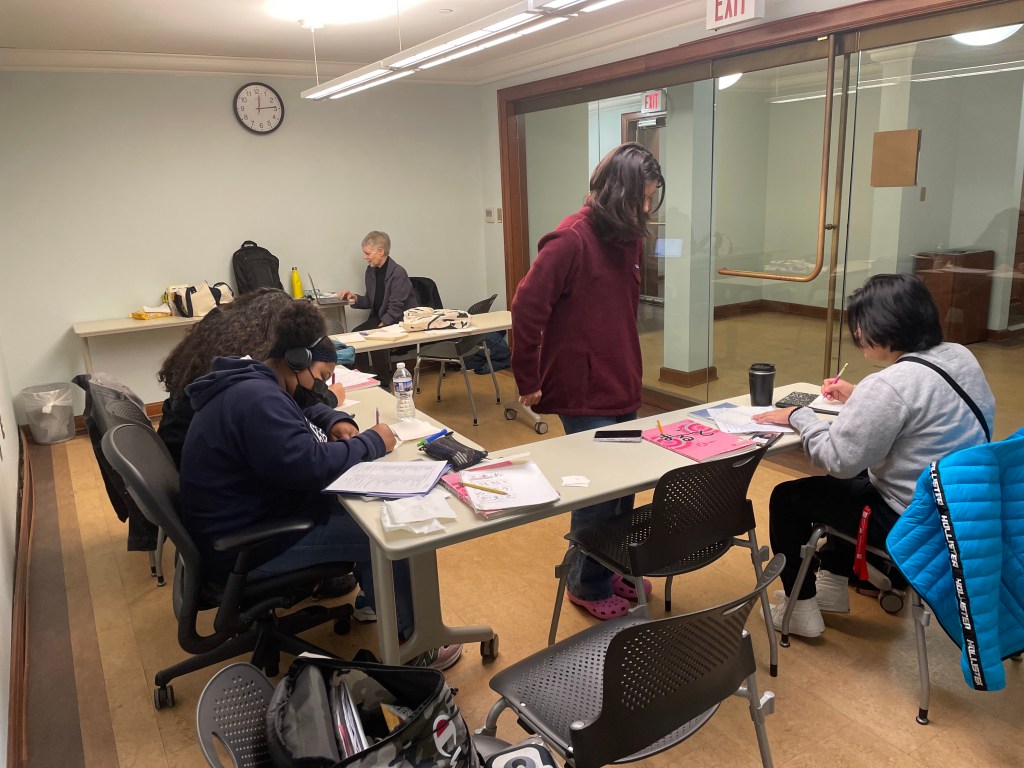
Japanese Plus not only provided me with the opportunity to learn from qualified instructors, but it also fostered a supportive and inclusive community. Interacting with fellow learners who shared my enthusiasm for Japan created a space where we could exchange knowledge, practice together, and develop lasting friendships. Through group activities, study sessions, and shared cultural excursions, we created a network of individuals who not only supported one another’s language learning but also shared a genuine passion for Japanese culture.
Study SessionSaturday Class
Real-world Applications
One of the most rewarding aspects of my experience with Japanese Plus was the ability to apply my language skills in real-world situations. The program encouraged us to engage with native Japanese speakers, whether through conversation partners, language exchange programs, or community events. These interactions provided me with invaluable opportunities to practice what I had learned, enhance my conversational abilities, and gain a deeper understanding of Japanese society.
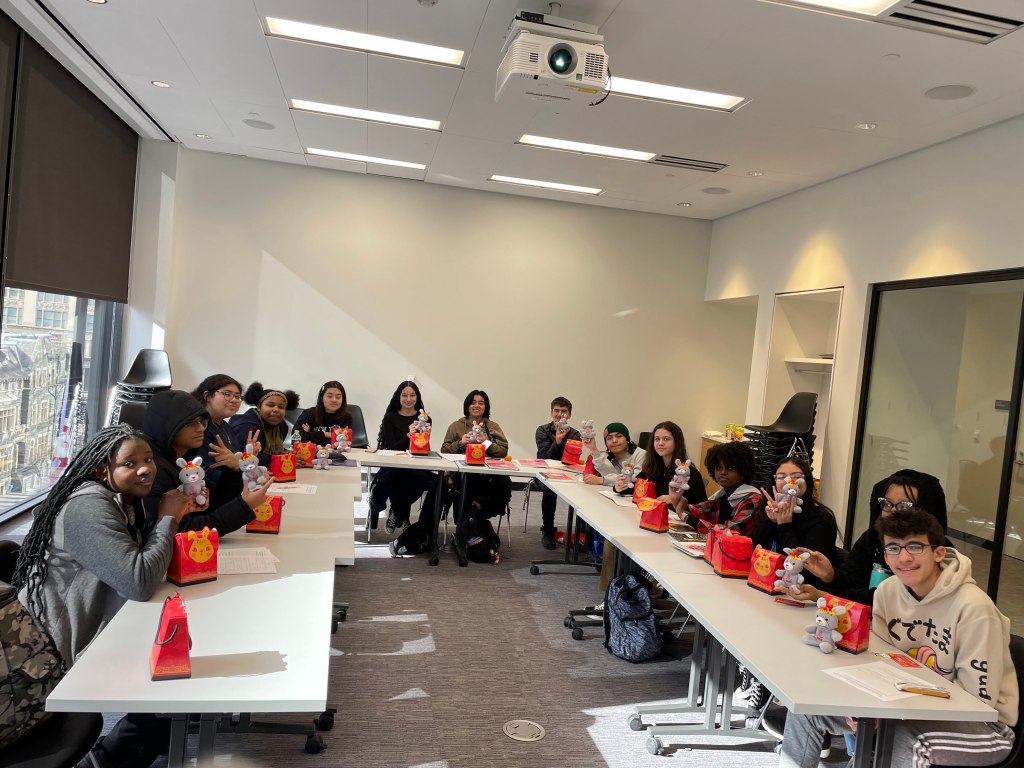
KAKEHASHI Exchanges
Personal Growth
My involvement with Japanese Plus went much beyond merely learning the language and becoming immersed in the culture. It evolved into a transformational journey of personal development. I was forced beyond my comfort zone by the difficulties I had learning a difficult language, adjusting to a new cultural setting, and making connections with people from other backgrounds. I was able to grow in my self-awareness and understanding of the value of human connection as a result of the experience.
With our Language AssistantsKAKEHASHI Exchange at All Souls Church
Japanese Plus has been a wonderful and enlightening experience that has profoundly impacted my life. I have learned so much more than just Japanese ability through language study, cultural immersion, contacts, and personal development. My understandings have been broadened by the program, and I have developed a greater appreciation of other cultures. I will also be appreciative of this fantastic experience to our wonderful instructors, Shoko Hamano and Takae Tsujioka. Sally Schwartz, who provided me with outstanding mentoring, support, and direction throughout my time in Japanese Plus, deserves a special mention as well.
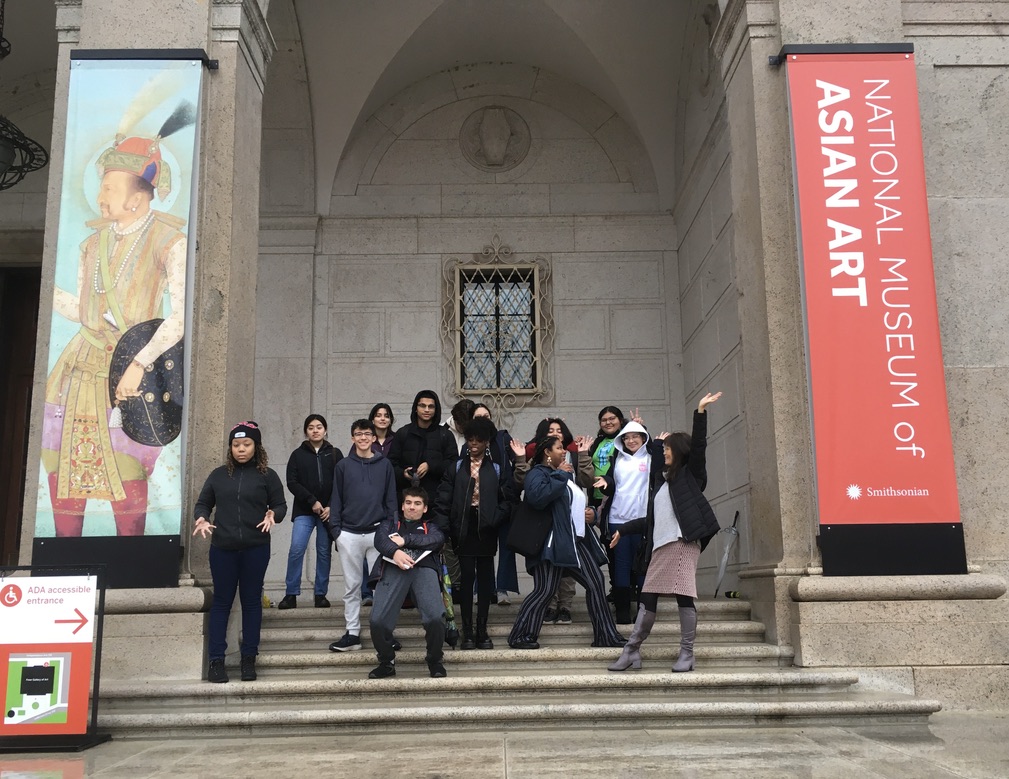
Japanese Plus is an after school program for DC students who are interested in Japan, its culture, and language. However, for me personally and probably for most of my peers, it became more than just an after school program. Personally, Japanese Plus allowed me to identify parts of myself that I didn’t even know were there. And parts of DC that I had never explored. For example, I had never gone to the Smithsonian Museum of Asian Art, but one of our out of class trips was to go. And it was very interesting; we got to see traditional/historic art from Japanese artists.
In addition, I was known to be shy or that I kept to myself but I figured out that in order to make connections with others both parties have to be willing. I have always been shy and quiet but once I get comfortable I’ve been known to reveal more of my personality. But despite the fact, Japanese Plus helped me put my shy persona to the side in order to take charge and create relationships with Japanese students, adults that can help open new doors to opportunities, and others who would be interested in tutoring/advising us on how to improve our linguistic skills.
Another example would be when we went to the Hana Market near U Street and I bought my first bento box and 2 onigiris. Though the Hana Market was small, it was fun exploring the variety of foods that are a part of the Japanese or the AAPI (Asian-American Pacific Islander) community as a whole. It’s to say that Japanese Plus was a journey that I wish to continue next year.
On June 1, a few students from Japanese Plus got the amazing opportunity to attend the NAFSA Conference, a huge gathering of study abroad programs and universities at the Convention Center in DC. We spent an entire morning in the section dedicated to Japan, and there was a lot to take in: so many different universities from all over Japan with varying class structures, opportunities, and programs. One university that particularly stood out to me, however, was the Kyoto University of Foreign Studies. As someone considering a career in International studies, I found this institution very appealing because it is in a large city with many opportunities to learn about diverse international cultures, and specializes in many different languages. The University also emphasizes community engagement, which I find very important in today’s world because individuals and enterprises are becoming more and more interconnected. I was happy to see a university that aligned so neatly with my career goals at NAFSA, and am looking forward to exploring study abroad further!
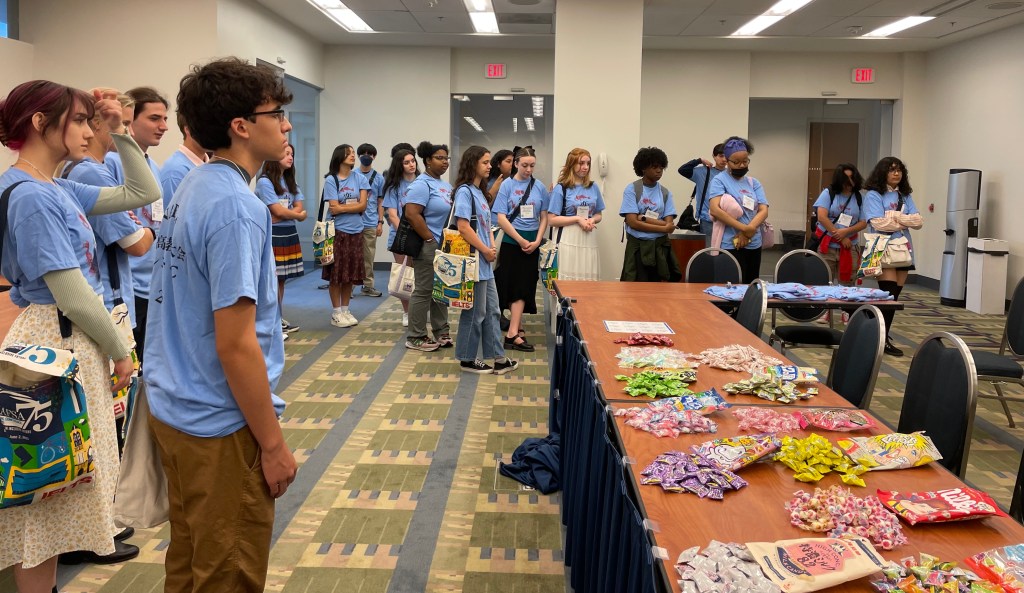
The Japanese Plus students got invited to attend the 75th anniversary NAFSA Annual Conference and Expo, the world’s largest association dedicated to international education and exchange. I was very excited to be attending the event because it’s an event that is held every few years in different places of the world. When arriving at the NAFSA event, we met other high school students from different schools who are also learning Japanese. It was amazing to see other students around my age who had the same passion and interest in learning Japanese. We had the chance to interact with the other high school students during the conference, and subsequently we were given the assignment to introduce a student from a different high school in Japanese. I was nervous about having a conversation in Japanese with other students because we all had different levels of Japanese, but later on I learned that the high school student that I was with like me only had 1 year of learning Japanese which made me feel less nervous since we had something in common.
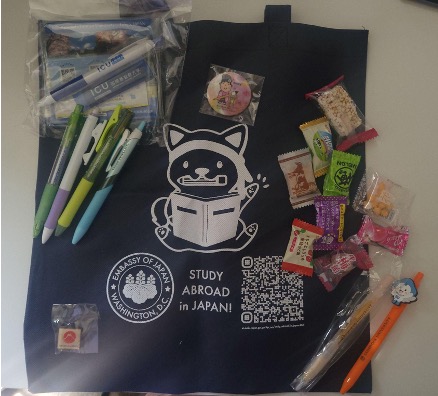
During the conference we also received a COI T-shirt with the words “Connection, Opportunity, and Initiative” which I believe were the perfect words to describe the event and high school student language learners. We also got a NAFSA bag and a bag from the JET program which I liked very much. And we received different Japanese candies, pens/pencils, and merch from different universities in Japan. However, the most valuable experience from this conference is being able to hear the personal experience and advice from people of different organizations about their language learning and studying abroad journey. Some of the people we were able to meet are Taichi Kaneshiro, Education Counselor, and Tim Folsom, Education Coordinator, at the Embassy of Japan.
They presented the JET Program and we learned that The Japan Exchange and Teaching (JET) Program is an opportunity for young adults to study abroad, work in schools, and boards of education across Japan. When presenting the different positions people can take through the JET program, the position that interested me the most is being an Assistant Language Teacher. The reason is because we are able to work with Japanese teachers to help enrich and improve Japanese students’ English. Moreover, being able to interact, make connections, and share each other’s culture with Japanese students of different ages through activities and clubs sounds amazing and a lot of fun!
On a final note, I am very grateful to receive the opportunity to go to the NAFSA event and take part in the COI program as it stoked my enthusiasm and gave me a push to pursue studying abroad and to learn and experience Japanese culture and not just the Japanese language.
On June 1st, 2023, I was invited to attend NAFSA’s Annual Conference and Expo and connected with international educators from a variety of countries. I mainly went to the conference to connect with Japan’s universities and after talking to several universities, I was able to discover 5 that I am most interested in going to. I am studying to become a veterinarian, which means that I need to major in biological or veterinary sciences. Most of the universities that I interacted with were liberal arts schools and did not offer degree programs in English for biological sciences. However, there are 5 universities — Hokkaido University, International Christian University, Sophia University, Tohoku University, and Tokyo Metropolitan University — that offer biological sciences degree programs in English. I was so excited to add these colleges to my list, especially since I want to study in Japan!
When first entering the event it was filled with many different booths. I expected to only see booths from Japan but NAFSA had booths from all over the world. The atmosphere felt very professional and welcoming. When approaching the booths someone was there to welcome you and talk about the university. I found a university I’m really interested in. It’s called Meiji University. They offer an anime course over the summer. That University stuck out to me out of all of them. I hope that I will be able to attend the University to pursue my hopes of becoming an animator.
On June 1st, I along with 7 other Japanese Plus students were invited to the NAFSA 2023 Conference here in DC. The conference is an Expo for universities and organizations from across the world to come together and encourage studying abroad. We were invited through the Japan SIG COI (Community Outreach Initiative) program which brings together Japanese learners from different schools in the DMV area to attend the conference as a group. The students from the other schools — Walt Whitman HS and South County HS — were also very kind, but a lot of them were at a much higher level of Japanese as they studied for years through their school while our program just finished the first year of its cycle.
When we first arrived at the Convention Center downtown, we were taken to a room where we met the students from the other schools and were given custom T-Shirts to show that we were with the COI program. Once all the students arrived and were comfortable, our Japanese was immediately tested as we were told we needed to pair up with a student from a different school than us and introduce our partner to everybody. Luckily I got paired with a level 4 speaking student who was able to guide me through how to introduce her and everything went well. We then heard speeches from some of the people who helped get us there, such as the director of the COI program, Brian Masshardt, two representatives of EducationUSA, representatives of the Embassy of Japan, and others who helped get us to the conference. After that, we were offered a ton of different Japanese candies and sweets as well as gifts like pens, folders, and even sunglasses from various Japanese universities.
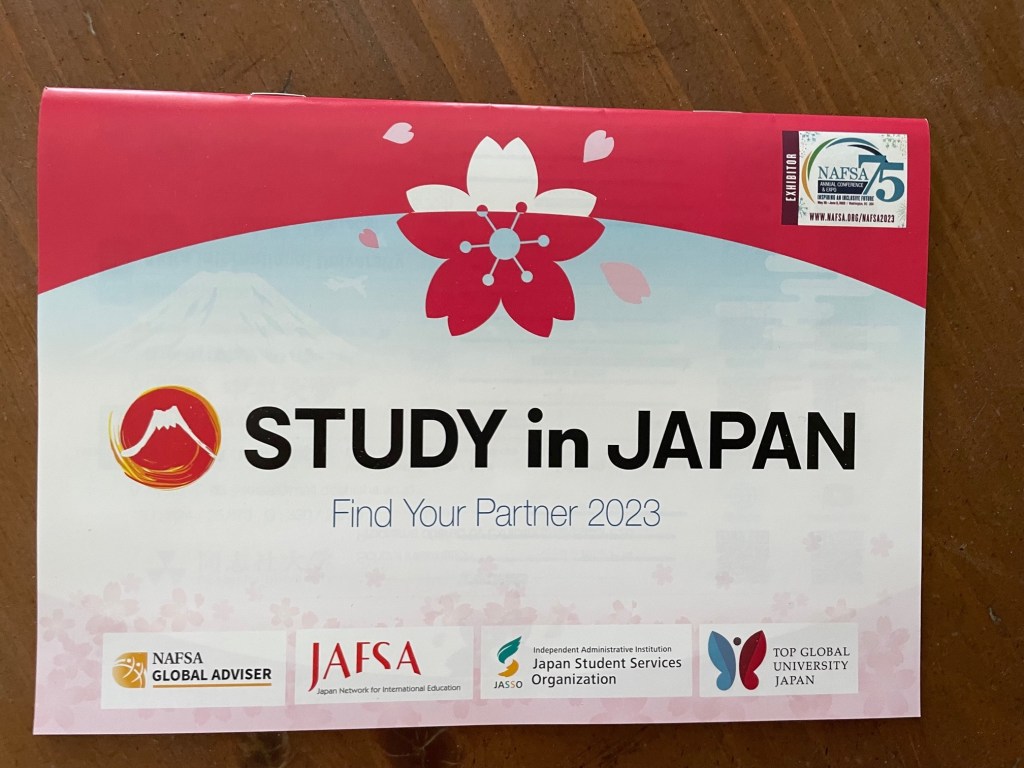
After all the initial welcomes and introductions we finally made our way down into the Expo Hall for the main event. We were directed to the Japan area which was one of the largest in the whole conference. There were over 25 different Japanese universities present, many of them with representatives willing to talk to us. They then gave us this super useful guide to the different universities where they had a chart of a bunch of different college majors, which universities offered each as a major, and whether those classes were taught in only English, only Japanese, or both. This was extremely useful as I was able to pinpoint 6 or 7 universities that offered majors I liked in English.
Being able to take classes abroad in English is very useful as it allows you to study and get a degree fully in Japan, while also learning the language and being immersed in the language and culture, which makes it way easier to get a job in the country vs learning the language in the US and trying to apply from abroad. I was able to talk to representatives for some of these universities, which gave a good impression on a lot of them, and I was even able to exchange business cards with some of them, using the process we learned about in our class.
I am extremely grateful to have been invited to this conference. For me, it took the possibility of studying abroad in Japan from a far-out goal, to a very real possibility. The conference allowed us to make a ton of important connections and pick up a ton of information about the process of studying abroad. If I hadn’t been able to attend the conference, I feel like the process of researching different universities, their locations, and what classes they offer would have been way more tedious and may have discouraged me from even considering it as an option. I hope that the information I got from this conference will help me in my future study of Japanese or any other languages.
A Japanese university at the NAFSA Expo that sparked my interest was Akita University. The pamphlet I picked up broke down their courses, majors and curriculars. I was particularly intrigued by the way the Japanese language section was set up. They had most classes in English so it catered to that. However they also had a Japanese language and culture immersive program, sort of like what I am in now, but it’ll be at a college level, on a Japanese campus, and with native speakers. This is great for assimilation and trying to immerse myself into the culture. I still have a bunch of research to do, but this is a start!
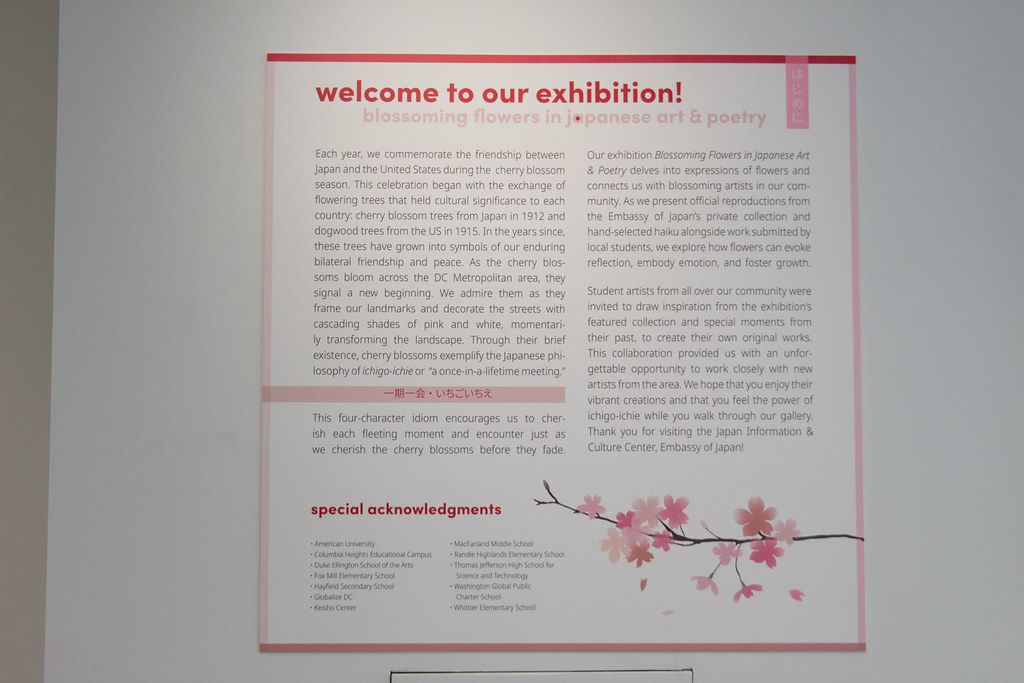
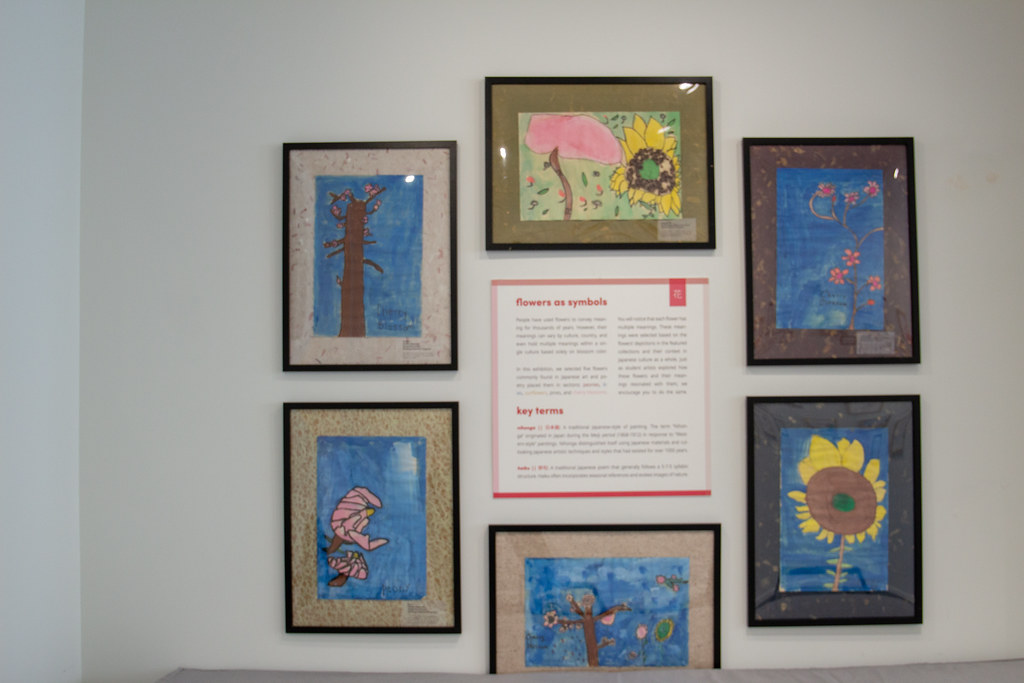
We have finally had the chance to visit the JICC (Japan Information and Culture Center) and see the haiku and flower exhibit for ourselves. Hearing that some of our peers’ works were featured was one thing, but seeing it in person, next to the other wondrous art work, made us very proud of ourselves and confident in our journey. We have been trying to further understand our relationship, our bond as it is tied to Japanese culture. Therefore, we have taken this step to get involved with celebrations that allow us to branch out and retain that knowledge.
Upon arrival, I specifically felt eager about seeing the exhibit as a whole. The set up intrigued me, as it was my first time there. The building is beautifully compact with so much information about Japanese culture and events here in DC. When we met with Aki Regan, she had us go in through the side doors. I felt like we were a very special group, and I thank Aki, Atsushi Iwai, and JICC as a whole for the special treatment, and making sure we were accommodated and could find our art.
Although there were a specific number of students chosen to be on display, they had a slideshow of everyone’s work, so everyone was represented. The way I thought the exhibit looked exceeded whatever I had imagined — it was beautiful. Each wall was a different flower, with its themes. My favorite part of the showcase was that we saw a variety of talent. Work in the form of just paintings, traditionally with a painting and a haiku, or like us, with just a haiku. I appreciate the JICC for their diversity in schools and programs that they included in the exhibit. It shows the city-wide interest in Japanese culture. There was work from young elementary schoolers to advanced high schoolers.
Apart from an exhibit, they had games, ancient artifacts, and a showcase of traditional Okinawan dances by kids our age and younger. I had the pleasure of staying for the performance portion of the celebration. It was nice to see traditional dances that expressed how children years ago had fun. That day, we learned of the holiday, Children’s Day, where the day is taken to respect and celebrate the happiness of all the children. Aki also told me about this custom, Shichi-Go-San (7-5-3), where children of the ages 3, 5, and 7 are brought to a Shinto shrine, by their families, to thank and pray to Gods to protect them and ensure a long healthy life. The artifact present was one of the things they prayed to. In the performance, the children had these traditional drums, some hand sized, others as big as cellos!
The rhythmic beat which the children mirrored with their drums was great! I took a great liking to it all. Also, the girl who did karate demonstrations was great! Her technique and form was everything! I had a lot of fun that day and again was highly proud of myself and my peers.
I’m truly grateful for the sort of experience and exposure we got from the workers at the JICC. It wasn’t only a visit about haikus but about our city’s relationship with Japanese culture. As we go on with our journey, we will stay determined to continue to always cherish the relationships that we make. One more great big thanks to the JICC for having us be a part of such an incredible project and please stay in touch!













 GLOBALIZE DC: JAPAN