With the help of Globalize DC, I had the opportunity to experience Japanese culture in January in downtown Washington by attending a New Year’s festival, sponsored by the Japan Commerce Association of Washington, DC (JCAW). I had a wonderful day with my friends and had the opportunity to converse with people who aren’t originally from Washington, DC. The retail area was my favorite part of the whole visit.
I had the opportunity to see numerous Japanese toys, refreshments, and play mini games for rewards. I enjoyed two games available at the venue – fishing and hitting the targets! In the end, even if you didn’t hit any goals, the games still provided you candy since they give you the possibility to win sweets and adorable small toys that you can play with or give to your family. The snacks I could buy and consume from the kiosk were incredible; they had so many unique flavors and textures that weren’t present in the foods I often eat in Washington, DC.
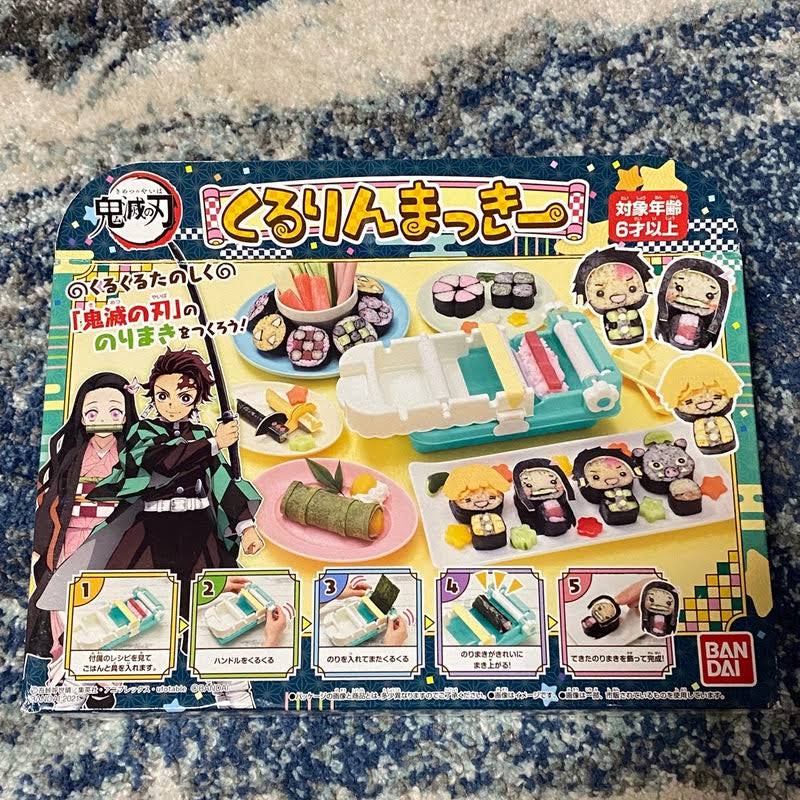
Sadly, I was unable to afford a sushi making kit I wanted to get after seeing it. However, this genuinely kind worker offered to buy it for me, which came as a huge shock to me because not many people treat me with such kindness. This opened my eyes. demonstrating how even initiating small talk can result in amazing outcomes. I only talked with the lady for a few moments and she had offered to pay for something I couldn’t afford. It really shows how those who partake in a different culture than you can be genuinely kind and giving when you first meet them.
The event was amazing, and this program has given me many opportunities to do amazing things. I’d love to attend another festival like this one and play games, eat, and converse with people from Japan, and generally just enjoy myself with my friends once more.
Yesterday, Japanese Plus students got to meet Japanese high schoolers participating in the Kakehashi exchange program. The two groups met up for lunch at Z-Burger in Tenleytown, then went to All Souls Church in Columbia Heights, where we got to view images created by Japanese schoolchildren after the atomic bombs were dropped on Japan during World War II.
Before the exchange, I was a little nervous to interact with Japanese high schoolers because I wasn’t sure if my Japanese would be good enough to communicate with them. We were able to communicate just fine though, and we bonded over topics ranging from food to school to extracurriculars. It was really fun to be able to learn what life is like as a Japanese teenager! The students were able to communicate well in English, and one girl that I talked to said she had been studying the language at school for eight years, which I found really impressive considering I’ve only been learning Japanese for a few!
Another highlight of the exchange was being able to see drawings created by Japanese schoolchildren in the aftermath of the atomic bombs dropped during World War II. The images were created using art supplies sent by the All Souls Church community to schools in Japan, and seeing the images was a deeply moving experience. It was hard for me to imagine how these Japanese children could have created such beautiful art following such a terrible event. But as I looked at the pictures, I saw that the children were using art as a medium to express their hope for a better future. At first I was surprised by the hopeful aura of the pictures: many of them depicted children playing, sunny days, and people going about everyday life, which was likely not the reality of most of the young artists. However, as I continued looking it became clear that the students weren’t necessarily drawing what was around them, but what they hoped would eventually grow back.
I really liked the program and it was amazing to meet Japanese teenagers. I hope we will keep in touch in the future!
As a student of Japanese Plus, one thing I have been loving lately is a high school program I recently learned about. In case you are wondering what this program is about, here is a little insight. High School Diplomats (HSD) is a scholarship program that brings together high school students from the United States and Japan each summer through two parallel cultural experiences. US students in 10th or 11th grade are eligible to apply, and if they successfully complete the program, they may get the chance to actually travel to Japan the following year!
Have you ever wondered about living with someone you haven’t met before for a couple weeks? Well, I hadn’t, but one thing is for sure, it would be one of the best feelings. This is the most important part of the process of the program – cohabitating with other students just like me and you who just have different cultural backgrounds.
I heard about High School Diplomats from their representatives Celine Zapolski and John who visited our Japanese Plus class on a Saturday to speak to us about the program and answer our questions. The program is not just all fun; we also learn so as to be able to interact with Japanese students. For example, learning something new in your Japanese language class, you get to practice with your roommate. He/she corrects any mistakes and vice versa. This makes everyone feel welcome.
But all work and no play makes Jack a dull boy. Engaging in different activities makes you talk to a lot of people. You cannot just hang around your roommate only. For different activities every day you talk to different people. You not only learn the Japanese language – it goes further into the culture, food, fashion and many more things.
This program also helps build friendships among young people. One of the representatives, John, who also took part in the program, is still in touch with his friends that he met during this program. From what I have heard from Celine and John, the whole process is a fun one and one that I would love to be a part of.
On behalf of the Japanese Plus program of Globalize DC we would like to express our appreciation to the High School Diplomats for giving us this opportunity to learn about their program. Though the application deadline for 2023 has passed, if you are interested in joining next year, go to www.highschooldiplomats.com.
Aaron giving appreciationChamiya adding her thanks
Learning Japanese isn’t easy. Listen to our Japanese Plus students to get an idea of what it’s like – the ups, the downs, the triumphs, and the challenges.
By Margarita:
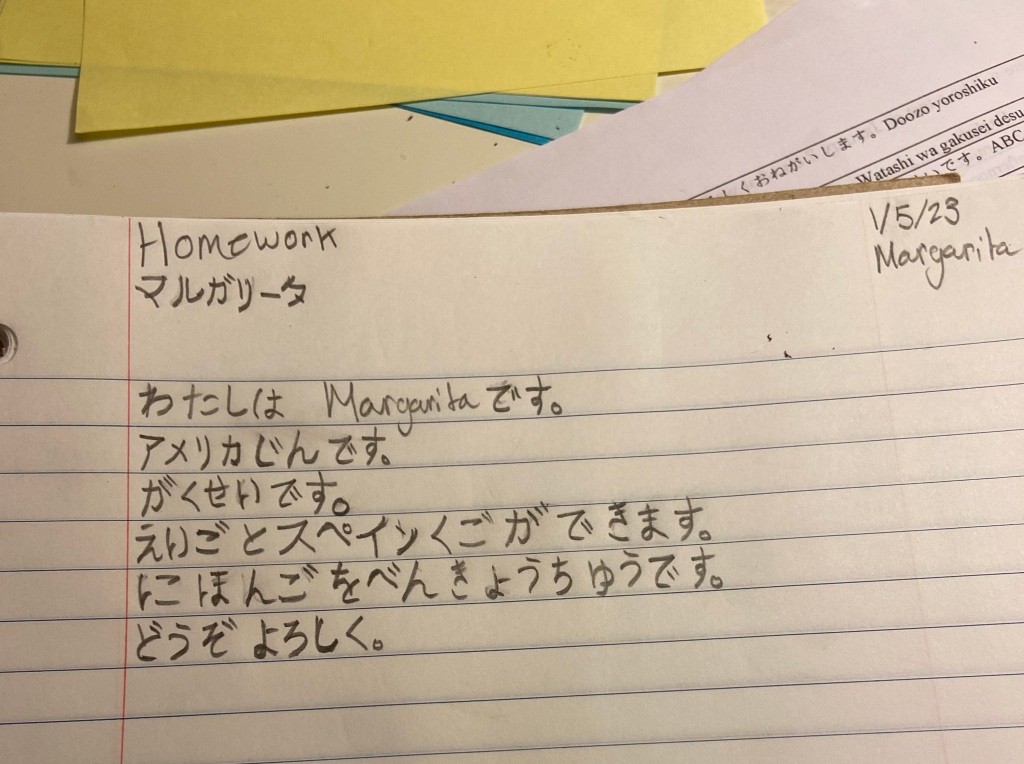
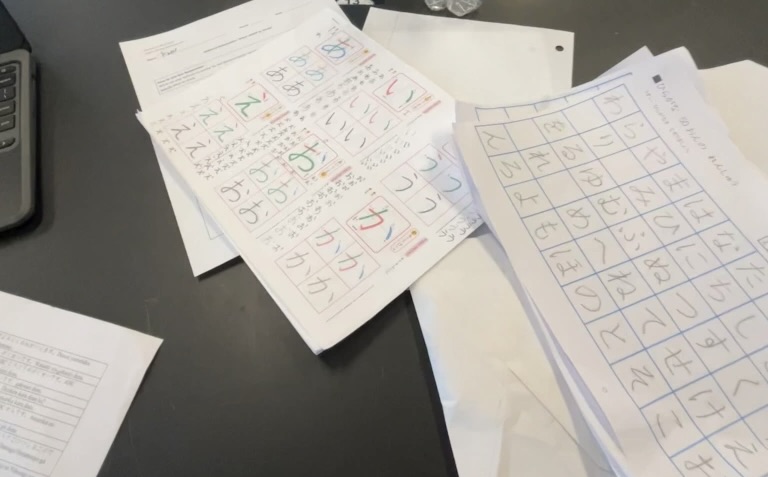
Hiragana. One of the three Japanese alphabets. I thought it would take me years to learn it, but I was wrong. Hiragana actually sounds a lot like Spanish, so it was easy to remember the pronunciation. Every time we would learn a new character, it felt like art class, drawing the long and curvy lines actually felt calming. Writing the simplest word in Hiragana made me feel like I was making a masterpiece though I’m still memorizing some characters, it will never not be fun.
By Chamiya
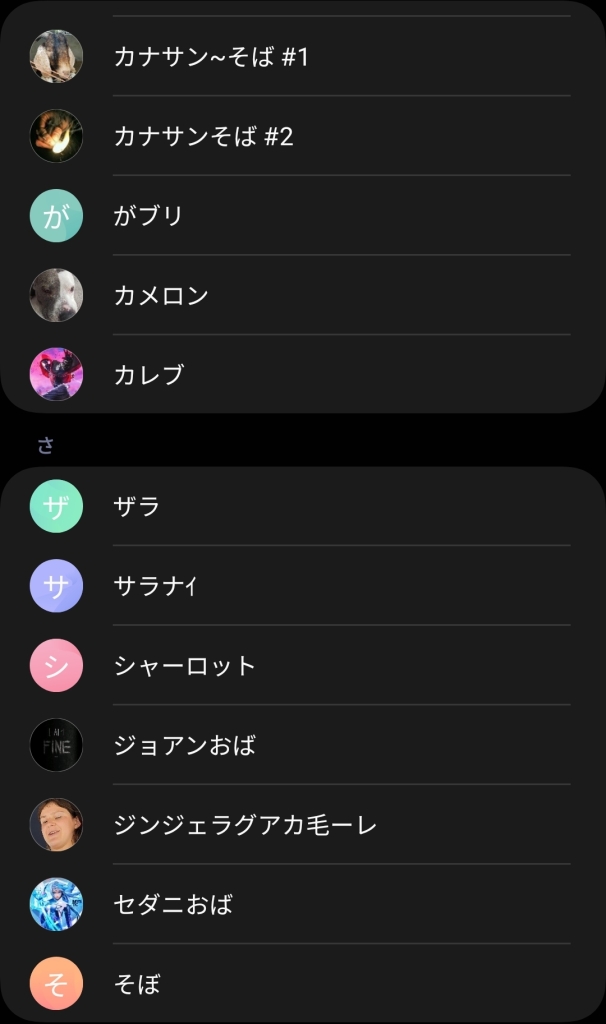
I have always wanted to travel to anywhere and everywhere ever since I traveled to Thailand. And of course, Japan is on my bucket list. But ever since I started learning Japanese, I’ve been wanting to go more. I like the aspect of learning a new language and immersing myself in a completely different culture from my own. And I especially like converting names to katakana. If you look on my phone contacts, half of the contacts are in Japanese. Katakana is so cool to look at, to read, and to figure out what the word is in English. My own family can’t figure out what the words mean but once I say it to them, they can understand it completely fine. It’s really cool immersing myself in another language and I can’t wait to travel to Japan one day.
By Thalia
For me learning Japanese has been such a fun experience. I’ve met new people who I can connect to. I think trying to learn all the Hiragana at once has been a struggle because some letters look similar. I was having a hard time with M-N but once I got it, it was so easy and made it easier to read.
By Penelope
I’m still really enjoying Japanese class. Recently, we started learning about family and kinship terms, and I like this because it’s fun to be able to ask about other peoples’ lives and to have longer conversations. Something I find particularly interesting is that there are different words for your own relatives and for others’. This is because politeness is very important in Japan, so you have to use a more respectful term if you’re inquiring about someone else’s family. I find it interesting how language and culture are intertwined and how they affect each other, and this is a cool example of that.
By Zitlaly
Japanese . . . is a whole obstacle course you have to go through these hurdles just to go through the same hurdle, and another one and . . . another one. But through time you start to comprehend and memorize the hurdle and get through them way easier than the time before. But if you don’t adjust, you’ll only start to get tired and stressed from how many times you keep falling/failing.
By Mei
During these last few months of being in Japanese class I learned so many things about the Japanese language. One of the things that stood out to me is the different terms to have a conversation with someone. Having a conversation or even addressing someone depends on your relationship with that person and if that person is older than you. In English, people almost always talk in a casual way to their friends, teachers, family, and even to strangers. But in Japan, this shifts into a formal manner when addressing someone older than you. For example, in English we only have one way to thank someone no matter their age or status and that’s by saying “thank you.” But in Japan when thanking someone close like a friend or family they will say “arigoto,” but when thanking a teacher, co-worker, boss, stranger, or just someone older they will say “arigato gozaimasu.”
Hiragana is just one out of the three total Japanese alphabets, but it is arguably the most important. It is the backbone of the rest of the language, and without a complete understanding of it, it is impossible to learn Japanese. For three months, Japanese Plus worked together to master this alien writing system; it was hard, but by the end of it, gratifying to finally put to use.
As English-speakers who are only used to writing the Latin alphabet, one of the hardest parts of understanding hiragana is learning its stroke order and having to memorize it for all forty-six letters. Not only that, but with the exception of very few minor differences like an extra loop or curve at the end, some of the hiragana looks exactly alike. Though I had already studied hiragana a few years ago, thanks to Tsujioka-Sensei’s valuable teaching, even I got the opportunity to brush up on my handwriting.
I was shocked at the resilience of some of the members of our class. They showed up to every meeting, including the optional review sessions, and were committed to mastering not only the writing of hiragana, but the reading and real-world usage. I remember seeing the class’ writing the very first time we started learning it, and seeing it again only a few weeks later and being shocked by the improvement. It is exciting to see so many motivated students because it pushes me as well to want to continue learning.
The next alphabet the class has left to learn is katakana, though similar to hiragana, it is sharper and more square shaped, used only for foreign loan-words in Japanese. I am confident, however, that learning it will be a breeze now that everyone is more familiar with foreign writing systems.
By Chamiya Carnathan and Penelope Morris On behalf of Globalize DC’s #Stop Asian Hate Project
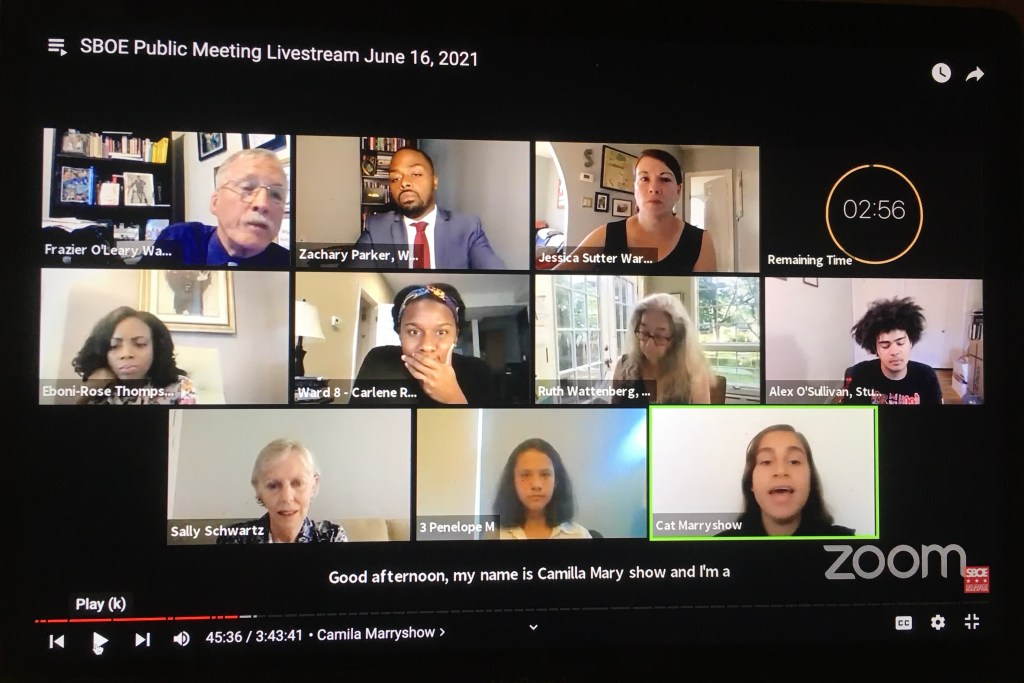
In the spring of 2021, amidst rising rates of anti-AAPI hate, some students from our after-school Japanese Tamago program testified before the DC State Board of Education (SBOE) to demand more inclusion of Asian and Asian American content in the DC social studies standards (what all DC public school students in DCPS and DC charter schools are required to learn).
What students learn in school is key to reducing anti-Asian/AAPI hate, and DC’s current social studies standards are not adequately addressing this issue.
Here are just some of the issues we noticed when we reviewed the standards back in 2021:
The inclusion of Asian and Asian American content starts far too late in the curriculum – around sixth grade.
Most mentions of Asia and Asians are political and fail to explore other aspects of Asian history and culture.
Asian history is often explored in relation to American history, not as its own story.
Most importantly, there simply isn’t enough Asian and Asian American content in the standards!
You can read more about our findings and recommendations HERE.
Luckily, the DC Office of the State Superintendent of Education (OSSE), with guidance from the State Board, is currently in the process of rewriting the social studies standards. We expect draft standards will be out in mid-December for public comment.
We need to get ready!!
So we at Globalize DC are inviting other DC students and recent graduates (as well as other interested community members) to join with us to review and critique the new draft standards and give meaningful feedback to OSSE and the Board to get the best standards possible. This can make a huge difference in how DC students are educated in the future.
If you or anyone you know is passionate about Asian/AAPI culture and social justice, fill out this simpleGoogle Form so we can keep you updated.
As soon as the draft standards are released in mid-December, we will schedule an open meeting on Zoom to share information and strategy ideas with interested persons (both students and adults). Our online meeting previously scheduled for December 8 is being postponed until that time.
On Saturday, November 5th, my classmates and I went to the Latin American Youth Center to do Onigiri Action with the nonprofit group, Table for Two. We got the chance to meet up with Yumiko Ebinda, who led the workshop.
Table for Two seeks to eliminate global hunger and reduce health issues that are related to unhealthy eating in children. Onigiri Action is one of their many ways to do this. What happens in Onigiri Action? You learn how to make onigiri and understand the fact that onigiri was selected for this global activity because it’s a cheap nourishing comforting meal – the “peanut butter and jelly sandwich of Japan.” Every time somebody takes a picture of their onigiri (Japanese Rice Balls) five school meals are donated to children in need all around the world. Its launch began in 2015 and since then it has fed millions of children.
My experience doing Onigiri Action was absolutely amazing and not to mention extremely delicious. I was able to gain new knowledge on how parents in Japan prepare their kids’ lunches. Taking a colorful view, making dishes with colors of red, white, green, black, and yellow. It’s eye candy, and a way they are able to take basic everyday fruits and vegetables and turn them into a delicious healthy meal that a child can enjoy and have fun looking at the creation made by their parents. I would love to do this again, being able to create delicious and creative food while also helping kids across the world get food that they need.
Our SY2022-23 Japanese Plus program has begun, and that means intense Japanese classes twice a week. Here are some quick reflections from some of our students about starting out to learn one of the world’s most challenging languages.
Kayla:
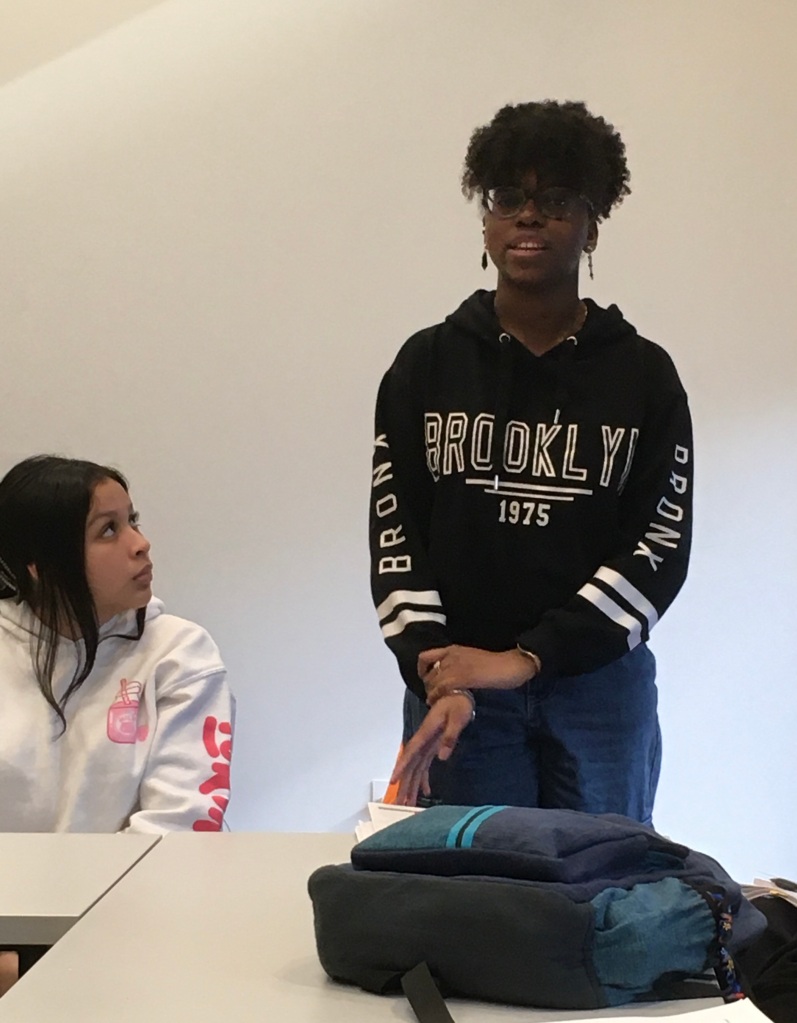
So my name is Kayla and I joined my Japanese class almost a month ago and it has been one of the best things I’ve done for myself. Learning Japanese has expanded my intelligence. I don’t only know Spanish but I also am learning Japanese and as a young black lady that is wonderful and my family is very proud. Something that I really like about this class is the diversity. There are many different people trying to learn a new culture and language, that is very beautiful to me. I will continue my classes and I hope to learn so much more with my wonderful teachers and classmates.
Jahshawn:
I’m a little bit worried about keeping notes and keeping the knowledge I learned in each class in my head. The three alphabets also scare me a bit, especially because of the chance I’ll feel overwhelmed. I’m honestly scared of feeling overwhelmed and falling behind, but I’m excited to see all the amazing things we’ll do in this program, and the amazing and unique people I’ll eventually meet.
Margarita:
With Japanese classes I am surprised on how much we are learning so far. I feel that when we interact with the teachers and other classmates we learn more which I also find very fun. I like it when we talk to each other, because it makes us all feel closer as friends and/or a community. It’s also fun to see other people learn with you.
Chamiya:
Since I have started learning Japanese 2 years ago, the beginning lessons are reviews for me. I know the hiragana and katakana alphabet and a few phrases. But, there are still a few phrases that I have learned. For example, “Anoo, onamae-wa?” which means what is your name. I am really excited for future classes for this 2 year program.
Aaron:
I’ve been enjoying the classes so far. I feel like I’ve been keeping up well. I find it interesting how everyone is referred to a different way, depending on your relationship with the person. For example, you would always call your teacher sensei even when you leave school.
Thalia:
I think learning Japanese will help me grow – to try new things. So far I’ve had a nice experience. I’ve met people who have the same interest as me. I think the lessons are just right and if I practice and study, it can really help me.
Penelope:
I’m really enjoying Japanese Plus so far. I’ve studied Japanese before, but never in person, and I find that I’m learning new vocabulary much faster this way. One thing I find challenging is knowing when to use each level of formality, for example おはよう versus おはようございます. I’m looking forward to learning more during the next two years.
Have you ever wondered what candidates running for DC Council member in DC are thinking of the rising violence against Asians and Pacific Islanders? On Friday, October 14th, 2022, my classmate, Penelope Morris, and I, along with the Executive Director of Globalize DC, met Graham McLaughlin in the home of Allister Chang and discussed with him the issues of anti-Asian hate.
Graham McLaughlin is an Executive at a Fortune 10 company. For eight years, he rented rooms in his house to men out of jail or federal prison to support former inmates in the District. He also frequently hosts events at his home: Sunday meals for talking about religion, Thursday dinners for ex-offenders to learn business skills, and Pancake Saturdays for ex-offenders rebuilding their lives as well as anyone else in the mood for brunch and chat. He received an endorsement from the Washington Post stating that his top priorities include reducing crime and discrimination against LGBT residents.
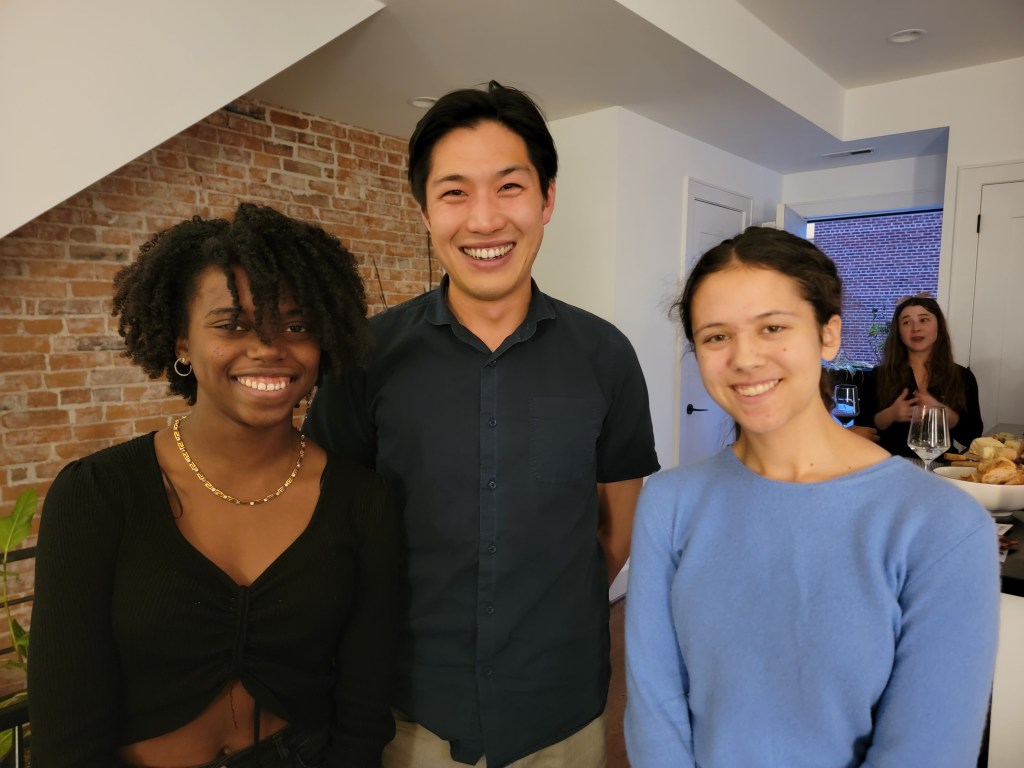
Because he knew about our Japanese Tamago #Stop Asian Hate Project, Allister Chang, Ward 2 Member on the DC State Board of Education, invited Globalize DC, as well as several of his own friends, to his home to meet Graham McLaughlin and raise concerns about affordable housing, violence against ethnic groups, support for teachers, and more. “On your education page, I see that you’re passionate about getting children the education that they need,” I said in response to one of the numerous inquiries Graham received, “The social studies standards don’t provide enough information on Asian American history, so I was curious what you thought about inclusion of Asian American standards.” Graham retorted that while he agrees that the standards fall short of meeting their full potential in terms of Asian American content, he lacks the necessary background to speak on the subject of curriculum and Asian American history. In response, Penelope asked if he would be open to collaborating with AAPI organizations to discuss the inclusion of more Asian American history in the DCPS Social Studies Standards. In response, Graham said that he definitely would work with AAPI organizations to advance Asian inclusion in education in the future. This response fit Graham’s character, as he seemed to appreciate the need for collaboration in order to resolve many of DC’s concerns.
In conclusion, meeting Graham McLaughlin was a terrific opportunity to learn about the political philosophies of prospective Council members. I learned from meeting Graham that he was an honest man who was aware of his talents as well as areas where he still needed to learn more.
As Globalize DC’s Japanese Plus program starts up again after two years, we are excited to get back to our #Stop Asian Hate Project that we began in the spring of 2021. The project began as a way for us to give back to a community that we, as DC high school students of Japanese, are interested in. We feel that because Asians and Asian Americans have contributed so much to American culture, it is our responsibility to help fight against the rise in anti-Asian/AAPI hate that has taken place since the start of the pandemic.
So as a group, we reviewed the DC social studies standards and made note of places where Asians were mentioned (unsurprisingly, there weren’t many), and places where we believed more content about Asian/AAPI history could be added in order to increase knowledge and understanding of Asians and Asian Americans among DC public school students. Then, we testified before the State Board of Education in June 2021 to advocate for the implementation of these changes, because we believe that the best way to combat hate in the long-term is to educate others about Asian and AAPI history. Now, as we finally resume work on this project, we are looking to organize programming to connect DC students with experts in the field of Asians and Asian Americans in education, such as Professor Sohyun An of Kennesaw State University and Allister Chang, a member of the DC State Board of Education, as well as other members of the Asian and Asian American community here in our own city. We are excited to continue this very important work!





 GLOBALIZE DC: JAPAN